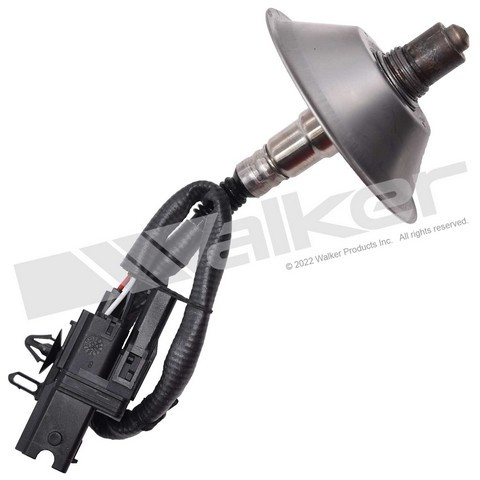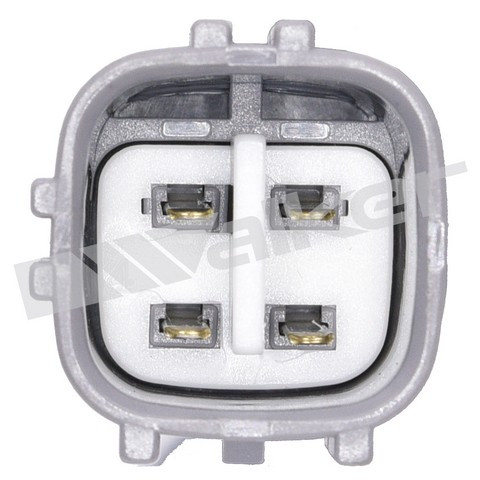
Walker Products Oxygen Sensor P/N:250-241273
Walker Products 250-24153 oxygen sensor for the 1995-2000 Toyota Tacoma 4-cylinder 2.4L and other vehicles measures the amount of oxygen in the exhaust gas. That oxygen level shows how efficiently the fuel is burning.
A failing sensor can make the engine run poorly, use more fuel or turn on the malfunction indicator light. Those signs alone do not prove the sensor is the problem, because an exhaust leak can produce a similar picture.
The 1995-2000 Toyota Tacoma 4-cylinder 2.4L, the 1999-2000 Toyota 4Runner V6 3.4L and the 1994-1997 Toyota Previa 4-cylinder 2.4L are among the vehicles this sensor fits, and it fits more. The 1994-1997 Toyota Previa 4-cylinder 2.4L takes one sensor, and this listing is one sensor.
Fit and size
Build and materials
Does this Toyota 4Runner oxygen sensor work on the 1999-2000 model with the V6 3.4L?
Yes. Walker Products 250-24153 is listed for the 1999-2000 Toyota 4Runner V6 3.4L. If your own car is not named here, check it in the "Vehicles it fits" section.
Is this the oxygen sensor for a 1995-2000 Toyota Tacoma 4-cylinder 2.4L?
Yes. Walker Products 250-24153 is listed for the 1995-2000 Toyota Tacoma 4-cylinder 2.4L.
What thread size does this Walker Products oxygen sensor have?
The thread size is M18 - 1.5. It is a narrow-band sensor.
What should I look at on an oxygen sensor when the engine is off and cool?
Look over the sensor, its wiring harness and its connector for physical damage, which can shorten the sensor's operating life. A shop can test whether the sensor itself is at fault.
Why are the electrodes on this oxygen sensor coated?
The electrodes carry a gas-permeable platinum layer. The coating keeps combustion residue and particulates in the exhaust from contaminating or eroding the electrode surfaces.
No reviews yet — be the first to review this product.
Write a Review
WARNING: These products can expose you to chemicals including lead and phthalates, which are known to the State of California to cause cancer and birth defects or other reproductive harm. For more information go to www.P65Warnings.ca.gov.