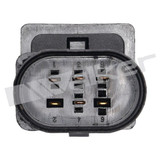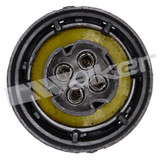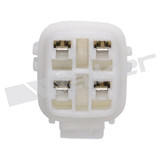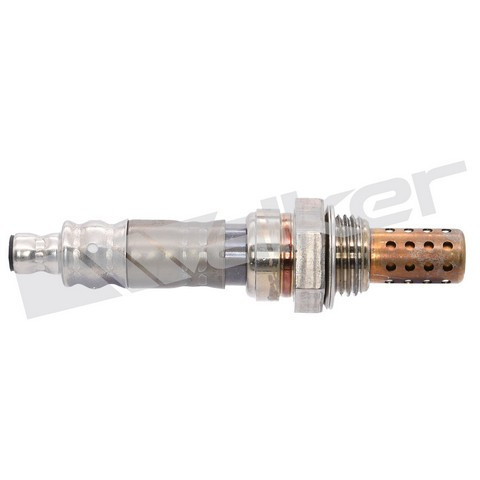
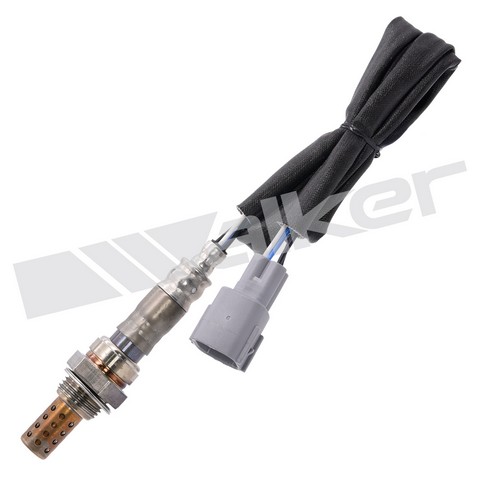
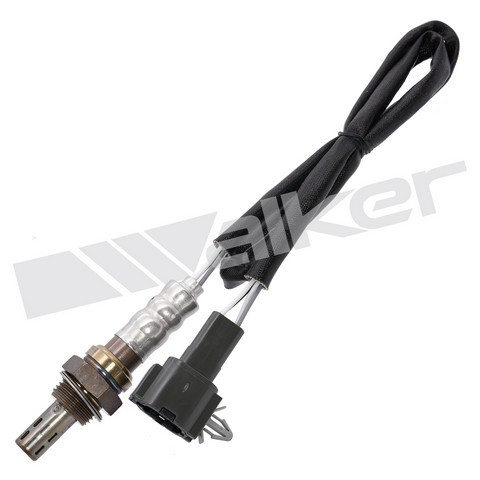
Walker Products Oxygen Sensor P/N:250-24371
Walker Products 250-24404 oxygen sensor for the 2000-2005 Toyota MR2 Spyder 4-cylinder 1.8L and other vehicles measures the oxygen in the exhaust gas to show how efficiently the engine is burning fuel. That reading helps fine-tune the air-fuel mixture, which supports fuel economy.
Before you replace this sensor, rule out physical damage to the wiring harness and connector, which should be checked as well. A failing sensor can show up as rough running, higher fuel consumption, more exhaust emissions or a lit malfunction indicator light, and newer vehicles may store a fault code.
This oxygen sensor fits the 2000-2005 Toyota MR2 Spyder 4-cylinder 1.8L, the 1995-1996 Jaguar XJ12 V12 6.0L and the 1995 Jaguar XJS V12 6.0L. This listing is one sensor; the 2000-2005 Toyota MR2 Spyder 4-cylinder 1.8L takes one.
Fit and size
Build and materials
Is this an MR2 Spyder oxygen sensor that fits the 2000-2005 Toyota MR2 Spyder 4-cylinder 1.8L?
Yes. Walker Products 250-24404 is listed for the 2000-2005 Toyota MR2 Spyder 4-cylinder 1.8L, and that car takes one sensor.
Does this Jaguar XJS oxygen sensor fit the 1995 Jaguar XJS V12 6.0L?
Yes. Walker Products 250-24404 is listed for the 1995 Jaguar XJS V12 6.0L, which takes one sensor.
Is this Walker Products oxygen sensor built for a specific position?
Yes. Each Walker Products sensor is made for its own application and fitment position, and this one is listed as downstream, upstream left and upstream right.
Is this oxygen sensor wideband or narrow-band, and how many wires does it have?
This sensor is a narrow-band, direct-fit type with four wires. Its electrodes are made of a gas-permeable platinum layer.
What can a worn narrow-band oxygen sensor do to the engine?
It can make the engine run poorly, raise fuel consumption and exhaust emissions, or light the malfunction indicator light. A shop can read any stored fault code to help narrow down the cause.
No reviews yet — be the first to review this product.
Write a Review
WARNING: These products can expose you to chemicals including lead and phthalates, which are known to the State of California to cause cancer and birth defects or other reproductive harm. For more information go to www.P65Warnings.ca.gov.