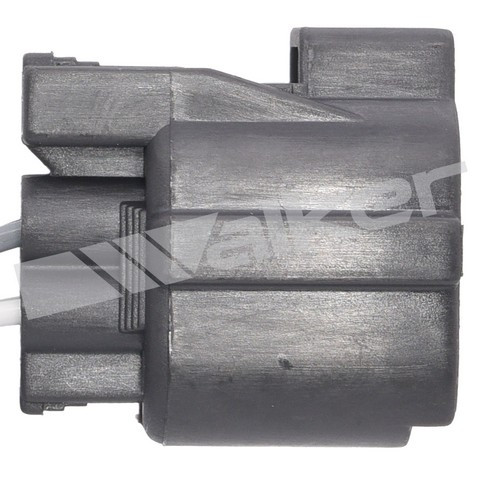
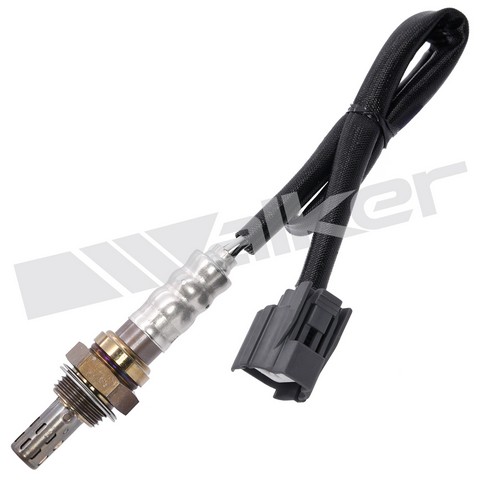
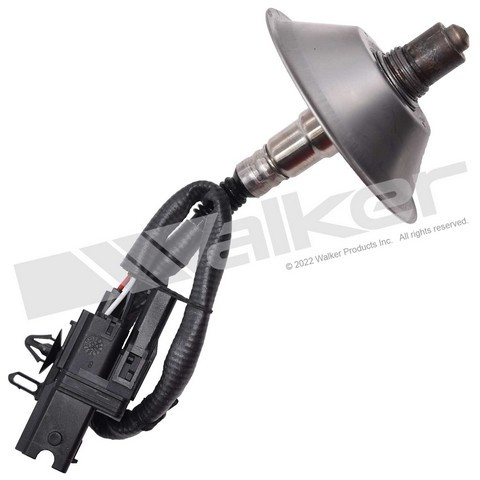
Walker Products 250-24496 oxygen sensor for the 1999-2002 Land Rover Discovery V8 4.0L, the 2003-2004 Discovery V8 4.6L and other vehicles tells the engine computer how much oxygen is in the exhaust gas. It is a 4-wire, direct-fit, narrow-band sensor engineered as an original-equipment replacement for its specific application and fitment position.
- Monitors exhaust gases to help reduce pollutants
- Tracks the air-fuel ratio for combustion efficiency
- Electrodes made of a gas-permeable platinum layer
- Oxygen readings help fine-tune the air-fuel mixture for fuel economy
- Coating protects the electrode surfaces from contamination and erosion by combustion residue and particulates
Quick facts
- Part: Walker Products 250-24496 oxygen sensor
- Fits: the 1999-2002 Land Rover Discovery V8 4.0L, the 2003-2004 Discovery V8 4.6L and other vehicles
- Position: Upstream left, upstream right
- Condition: New
A rough-running engine, higher fuel use and exhaust emissions, or a lit check engine light can mean the sensor is worn. The wiring harness or the connector can be behind the same signs, so look both over for physical damage first.
Fits
Besides the Discovery models above, it is an oxygen sensor for the 2002-2004 Land Rover Freelander V6 2.5L, the 1999-2000 Land Rover Range Rover V8 4.0L and the 1999-2002 Range Rover V8 4.6L.
Specifications
Fit and size
- Position: Upstream left, upstream right
- Thread size: M18 - 1.5
- Quantity per vehicle: 1
Build and materials
- Type: Narrow-band, direct fit
- Wires: 4
- Electrodes: gas-permeable platinum layer
- Condition: New
In the box
One oxygen sensor. The fitment lists a quantity of one for these vehicles.
Frequently Asked Questions
Is this a Discovery oxygen sensor for the 1999-2002 V8 4.0L and the 2003-2004 V8 4.6L?
Yes. Walker Products 250-24496 fits the 1999-2002 Land Rover Discovery V8 4.0L and the 2003-2004 Discovery V8 4.6L.
Will this Range Rover oxygen sensor work on the 1999-2000 V8 4.0L and the 1999-2002 V8 4.6L?
Yes. Walker Products 250-24496 fits the 1999-2000 Land Rover Range Rover V8 4.0L and the 1999-2002 Range Rover V8 4.6L.
Is the Walker Products oxygen sensor wideband or narrow-band?
Narrow-band. This 4-wire, direct-fit sensor measures the oxygen content of the exhaust gas and is made for its specific application and position.
Can a failing oxygen sensor raise fuel consumption or light the check engine light?
Yes. A failing sensor can make the engine run poorly, raise fuel consumption and emissions, or light the malfunction indicator light, and newer vehicles may also store a fault code in the ECU.
What thread size does this oxygen sensor have?
Walker Products 250-24496 has a threaded M18 - 1.5 body. The listing is one sensor.