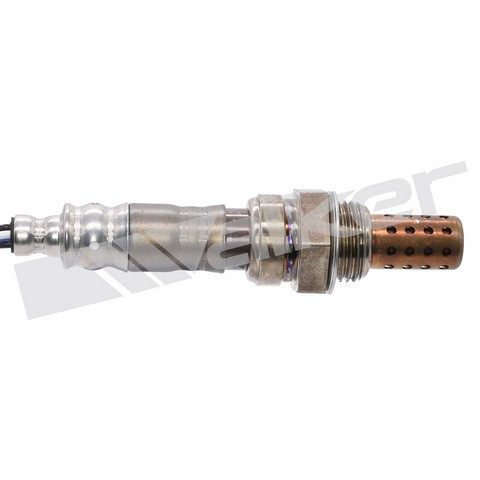
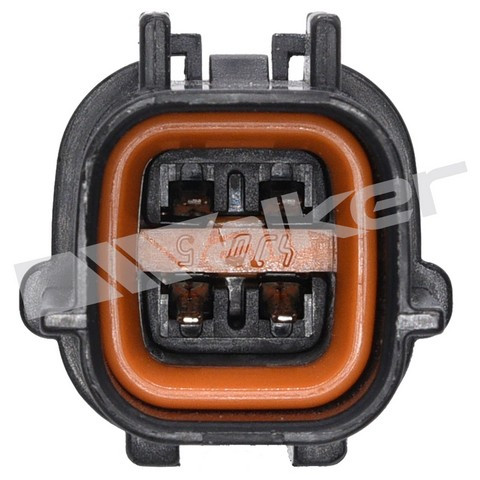
Walker Products 250-24709 oxygen sensor for the 2006 Mitsubishi Lancer 4-cylinder 2.0L measures the oxygen content of the exhaust gas to show combustion efficiency. It is made for its specific application and fitment position, and it gives the engine computer the diagnostic feedback it needs.
- Monitors exhaust gases and reduces pollutants
- Oxygen readings help fine-tune the air-fuel mixture for fuel economy
- Coating protects the electrode surfaces from contamination and erosion by combustion residue and particulates
- Electrodes made of a gas-permeable platinum layer
- Four-wire narrow-band design
Quick facts
- Part: Walker Products 250-24709 oxygen sensor
- Fits: 2006 Mitsubishi Lancer 4-cylinder 2.0L
- Position: Downstream
A failing sensor can show up as an engine that runs poorly, higher fuel consumption, more exhaust emissions or a lit malfunction indicator light, and other faults can look just like these. Before replacing it, look over the sensor, its wiring harness and its connector for physical damage, with the engine off and cool.
Fits
This downstream sensor is made for the 2006 Mitsubishi Lancer 4-cylinder 2.0L, which takes one. The listing holds one oxygen sensor.
Specifications
Fit and size
- Position: downstream
- Quantity per vehicle: 1
- Thread size: M18 - 1.5
- Wires: 4
Build and materials
- Type: narrow-band
- Electrodes: gas-permeable platinum layer
- Electrode surfaces: coated against contamination and erosion
Product information is for general reference and may contain errors. See our Disclaimer.
Frequently Asked Questions
Does this downstream oxygen sensor fit the 2006 Mitsubishi Lancer 4-cylinder 2.0L?
Yes. Walker Products 250-24709 fits the 2006 Mitsubishi Lancer 4-cylinder 2.0L as a downstream sensor, and that car takes one.
Is this Walker Products oxygen sensor narrow-band?
Yes. Walker Products 250-24709 is a four-wire narrow-band oxygen sensor with a direct-fit design.
What thread size does this downstream oxygen sensor have?
This downstream oxygen sensor has an M18 - 1.5 thread.
Does a failed oxygen sensor store a fault code?
Yes, it can. Newer vehicles store fault codes in the ECU, and some relate to the affected sensor and its associated systems; a shop can read them.
What are the electrodes on this oxygen sensor made of?
Walker Products 250-24709 has electrodes made of a gas-permeable platinum layer, and the electrode surfaces are coated against contamination and erosion.