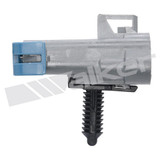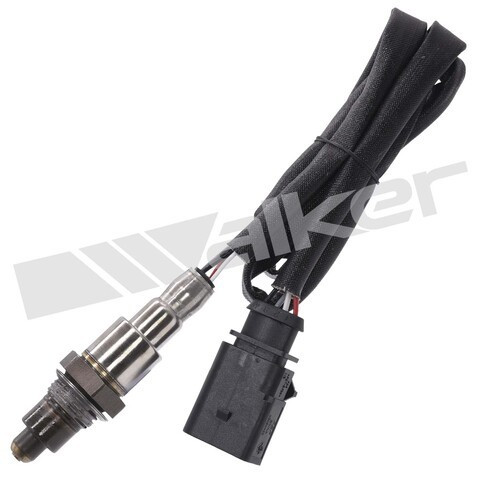
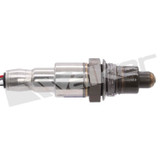
Walker Products Oxygen Sensor P/N:250-241242
Walker Products 250-24835 oxygen sensor for the 2004-2005 Dodge Grand Caravan V6 3.3L or 3.8L and other vehicles measures oxygen in the exhaust gas to gauge combustion efficiency. It is an upstream, narrow-band, 4-wire direct-fit sensor.
A failing sensor can show up as rough running, higher fuel consumption or a lit check engine light. A damaged wiring harness or connector, an exhaust leak or a vacuum leak can be behind those signs too, so track down the cause before you buy.
Listed for a wide range of Dodge and Chrysler models, it fits the 2004-2005 Dodge Caravan V6 3.3L and the 2004-2005 Chrysler Town & Country V6 3.3L or 3.8L, and each of those engines needs one sensor. If your vehicle is not named here, look up your own year and engine in the "Vehicles it fits" section.
Fit and size
Build and materials
Is this the right Dodge Caravan oxygen sensor for a 2004-2005 Dodge Caravan V6 3.3L?
Yes. Walker Products 250-24835 is listed for the 2004-2005 Dodge Caravan V6 3.3L, and that engine takes one upstream sensor.
Is this a Dodge Grand Caravan oxygen sensor replacement for the 2004-2005 Dodge Grand Caravan V6 3.3L or 3.8L?
Yes. Walker Products 250-24835 is listed for the 2004-2005 Dodge Grand Caravan with the V6 3.3L or the V6 3.8L, as the upstream sensor.
Is this an upstream or downstream oxygen sensor?
Upstream. Walker Products 250-24835 is a narrow-band, 4-wire direct-fit sensor made for the upstream position.
What are the signs of a failing upstream oxygen sensor?
Poor engine running, higher fuel consumption or a check engine light can be signs of a failing sensor. With the engine off and cool, look over the sensor, wiring harness and connector for physical damage.
Does this narrow-band oxygen sensor have an M18 thread?
Yes. The thread is M18 - 1.5.
No reviews yet — be the first to review this product.
Write a Review
WARNING: These products can expose you to chemicals including lead and phthalates, which are known to the State of California to cause cancer and birth defects or other reproductive harm. For more information go to www.P65Warnings.ca.gov.