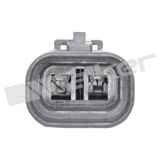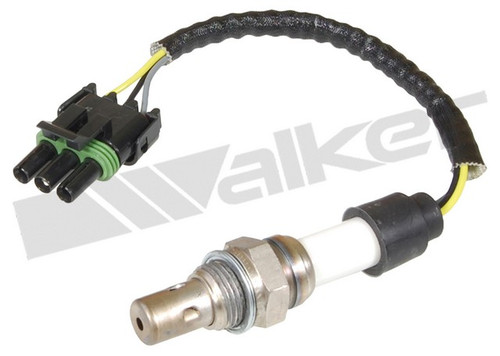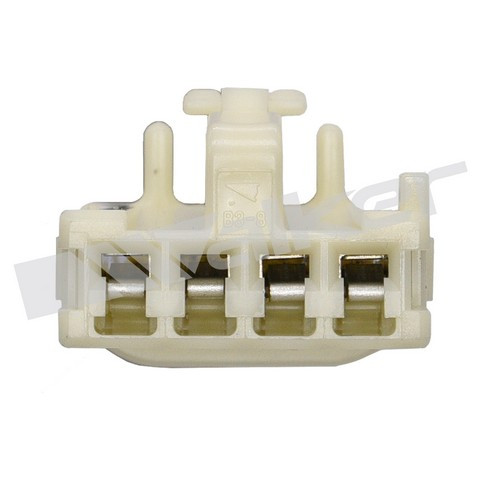
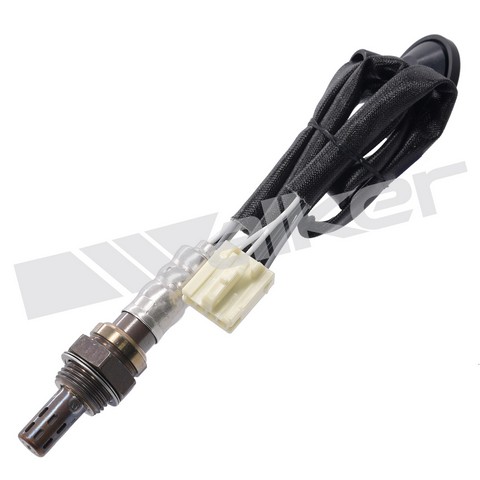
Walker Products Oxygen Sensor P/N:250-25144
Walker Products 250-24838 oxygen sensor for the 2004-2005 Toyota RAV4 4-cylinder 2.4L measures the oxygen in the exhaust gas. Its reading gives the ECU feedback on combustion efficiency.
A failing oxygen sensor can show up as the engine running poorly, higher fuel consumption or a lit malfunction indicator light. Before you replace the sensor, rule out a damaged wiring harness or connector by looking them over for physical damage with the engine off and cool, since a fault there can look the same.
This downstream oxygen sensor is a direct fit for the 2004-2005 Toyota RAV4 4-cylinder 2.4L.
Fit and size
Build and materials
One oxygen sensor. This listing is a single sensor, and the 2004-2005 Toyota RAV4 4-cylinder 2.4L takes one.
Product information is for general reference and may contain errors. See our Disclaimer.
Does the Walker Products 250-24838 fit the 2004-2005 Toyota RAV4 4-cylinder 2.4L?
Yes. Walker Products 250-24838 is a direct-fit downstream oxygen sensor for the 2004-2005 Toyota RAV4 4-cylinder 2.4L, and that engine takes one.
Is this Walker Products oxygen sensor narrow-band or wideband?
Narrow-band. Walker Products 250-24838 is a 4-wire narrow-band oxygen sensor.
Is this oxygen sensor upstream or downstream?
Downstream. This sensor is made for the downstream position.
Can a worn downstream oxygen sensor raise fuel consumption?
Yes, it can. A failed sensor can make the engine run poorly, raise fuel consumption and exhaust emissions, or light the malfunction indicator light.
What does the coating on this oxygen sensor's electrodes do?
The coating prevents contamination and erosion of the electrode surfaces by combustion residue and particulates in the exhaust gases. The electrodes use a gas-permeable platinum layer.
No reviews yet — be the first to review this product.
Write a Review
WARNING: These products can expose you to chemicals including lead and phthalates, which are known to the State of California to cause cancer and birth defects or other reproductive harm. For more information go to www.P65Warnings.ca.gov.