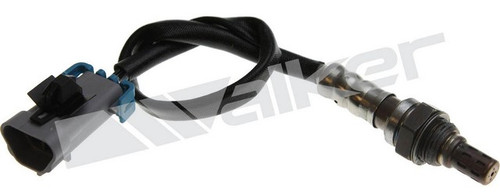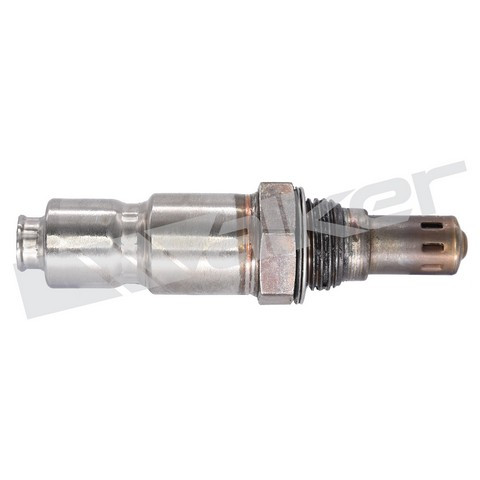
Walker Products Oxygen Sensor P/N:250-24275
Walker Products 250-25001 oxygen sensor for the 2003-2007 Honda Accord V6 3.0L and other vehicles measures combustion efficiency from the amount of oxygen in the exhaust gas.
A failing sensor can show up as rough running, higher fuel use, more exhaust emissions or a malfunction indicator light, and other faults cause the same signs, so find the cause before replacing it. With the engine off and cool, look over the sensor, wiring harness and connector for physical damage.
This listing is one oxygen sensor, and the 2003-2007 Honda Accord V6 3.0L takes one. It is also an oxygen sensor for the 2005-2008 Honda Pilot V6 3.5L and the 2005-2006 Honda Odyssey V6 3.5L, again one per vehicle.
Fit and size
Build and materials
Does this Honda Accord oxygen sensor fit a 2003-2007 Honda Accord V6 3.0L?
Yes. Walker Products 250-25001 fits the 2003-2007 Honda Accord V6 3.0L, one per vehicle. If your car is another model, check its year and engine in the "Vehicles it fits" section.
Is this Walker Products oxygen sensor a wide-band type?
Yes. Walker Products 250-25001 is a wide-band oxygen sensor, and it measures combustion efficiency from the oxygen content of the exhaust gas.
What thread size does this oxygen sensor have?
This oxygen sensor has an M18 - 1.5 thread.
What signs can point to a failing wide-band oxygen sensor?
The engine can run poorly, fuel use can rise, exhaust emissions can increase, or the malfunction indicator light can come on. Newer vehicles store fault codes in the ECU, and some relate to the sensor.
What are the electrodes on this oxygen sensor made of?
Walker Products 250-25001 has electrodes made of a gas-permeable platinum layer. A coating protects the electrode surfaces from combustion residue and particulates in the exhaust gases.
No reviews yet — be the first to review this product.
Write a Review
WARNING: These products can expose you to chemicals including lead and phthalates, which are known to the State of California to cause cancer and birth defects or other reproductive harm. For more information go to www.P65Warnings.ca.gov.