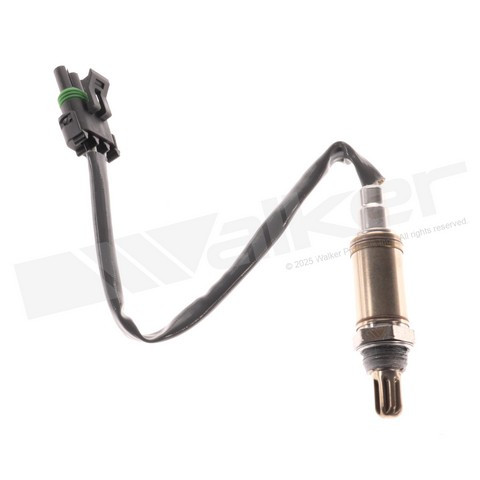
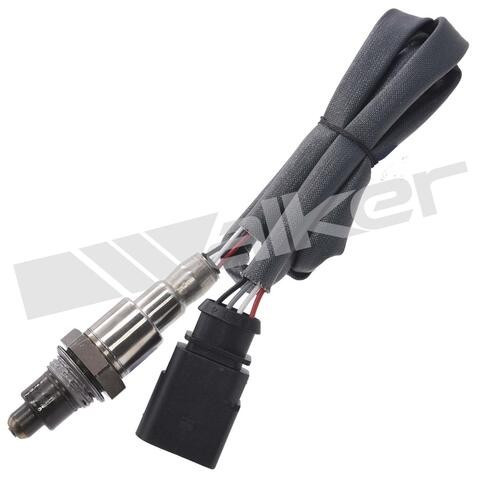
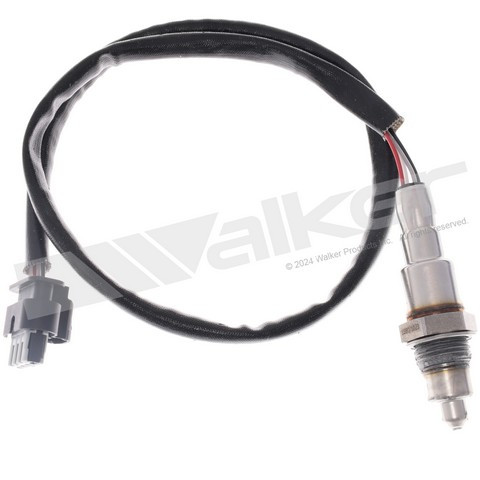
Walker Products 350-33003 oxygen sensor for the 1994 Chevrolet C1500 V6 4.3L, V8 5.0L or 5.7L and other vehicles measures the oxygen left in the exhaust gas. This direct-fit narrow-band sensor gives the engine computer the feedback it needs to track combustion efficiency.
- Electrodes made with a gas-permeable platinum layer
- Monitors exhaust gases to help reduce pollutants
- Determines the oxygen content of the exhaust gas and monitors the air-fuel ratio for combustion efficiency
- Coating protects the electrode surfaces from contamination and erosion by combustion residue and particulates
- Measures oxygen levels so the air-fuel mixture can be fine-tuned, which helps fuel economy
Quick facts
- Part: Walker Products 350-33003 oxygen sensor
- Fits: the 1994 Chevrolet C1500 V6 4.3L, V8 5.0L or 5.7L and other vehicles
- Position: Upstream, upstream left, upstream right
- Condition: New
A failing sensor can make the engine run poorly, raise fuel consumption or exhaust emissions, or turn on the malfunction indicator light. These signs alone do not prove the sensor is at fault, since an exhaust leak near the sensor can produce similar readings. The sensor, wiring harness and connector should also be checked for physical damage.
Fits
The vehicles it fits include the 1994 Chevrolet K1500 V6 4.3L, V8 5.0L or 5.7L and the 1992-1994 GMC Yukon V8 5.7L. If your vehicle is not named here, look it up in the "Vehicles it fits" section.
Specifications
Fit and size
- Position: upstream, upstream left, upstream right
- Quantity per application: 1
- Thread: M18 - 1.5
Build and materials
- Type: direct fit, narrow-band
- Electrodes: gas-permeable platinum layer
- Condition: New
In the box
One oxygen sensor. The fitment lists one sensor per application.
Frequently Asked Questions
Is this the right oxygen sensor for a 1992-1994 GMC Yukon V8 5.7L?
Yes. Walker Products 350-33003 is listed for the 1992-1994 GMC Yukon V8 5.7L, and the fitment lists one sensor per application.
Is the Walker Products 350-33003 an upstream sensor?
Yes. Walker Products 350-33003 is listed in the upstream, upstream left and upstream right positions, with one sensor per application.
What thread does this narrow-band oxygen sensor have?
This narrow-band oxygen sensor has an M18 - 1.5 thread.
How do I tell if a narrow-band oxygen sensor is going bad?
The engine can run poorly, fuel use or emissions can rise, or the malfunction indicator light can come on. With the engine off and cool, look over the sensor, harness and connector for damage.
What does the coating on this oxygen sensor's electrodes do?
The coating protects the electrode surfaces from contamination and erosion by combustion residue and particulates in the exhaust gases.