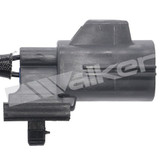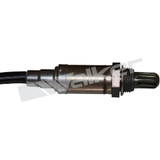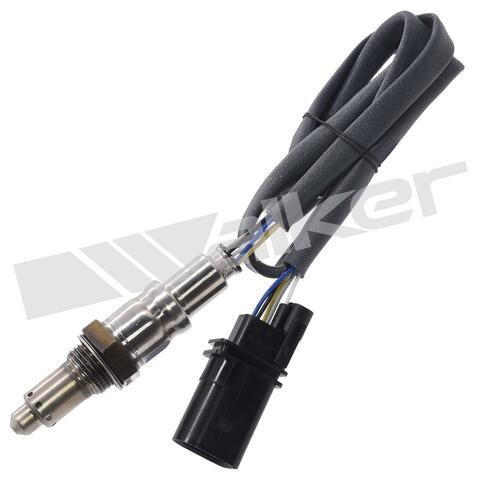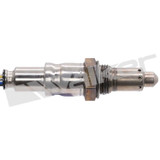
Walker Products Oxygen Sensor P/N:350-35115
Walker Products 350-33153 oxygen sensor for the 1988-1992 Volkswagen Jetta 4-cylinder 1.8L and other vehicles measures the oxygen in the exhaust gas. It is made for its specific application and fitment position and sends the diagnostic feedback the ECU needs.
A rough-running engine, higher fuel consumption or a lit malfunction indicator light can mean the sensor is worn, though its wiring harness or connector may be at fault too, so check both for physical damage first.
This upstream oxygen sensor fits the 1988-1992 Volkswagen Jetta 4-cylinder 1.8L and the 1988-1991 Volkswagen Golf 4-cylinder 1.8L. This listing is one sensor, and the 1988-1991 Volkswagen Golf 4-cylinder 1.8L takes one.
Fit and size
Build and materials
Product information is for general reference and may contain errors. See our Disclaimer.
Does this oxygen sensor fit the 1988-1992 VW Jetta 4-cylinder 1.8L?
Yes. Walker Products 350-33153 is an upstream oxygen sensor for the 1988-1992 Volkswagen Jetta 4-cylinder 1.8L, and that car takes one.
Is this oxygen sensor right for the 1988-1991 VW Golf 4-cylinder 1.8L?
Yes. This upstream sensor fits the 1988-1991 Volkswagen Golf 4-cylinder 1.8L, which takes one.
Is this Walker Products oxygen sensor an upstream or downstream unit?
Walker Products 350-33153 is an upstream oxygen sensor. It is a narrow-band type that measures the oxygen content of the exhaust gas.
How can I tell if this narrow-band oxygen sensor is failing?
Poor engine running, higher fuel consumption or a malfunction indicator light can point to a failing sensor. A shop can test the sensor and check its wiring harness and connector.
What does the coating on this oxygen sensor's electrodes do?
The coating helps keep combustion residue and particulates from contaminating or eroding the electrode surfaces. The electrodes use a gas-permeable platinum layer.
No reviews yet — be the first to review this product.
Write a Review
WARNING: These products can expose you to chemicals including lead and phthalates, which are known to the State of California to cause cancer and birth defects or other reproductive harm. For more information go to www.P65Warnings.ca.gov.