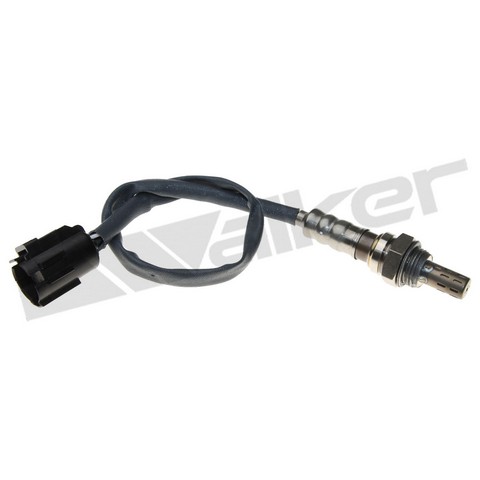
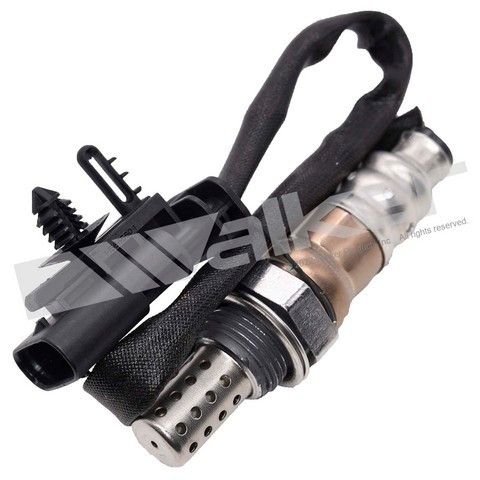
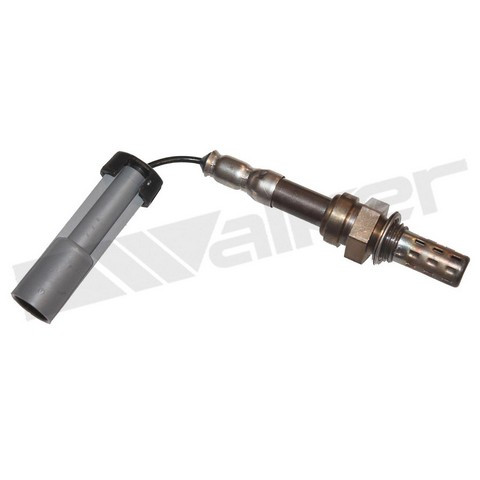
Walker Products 350-34464 oxygen sensor for the 2002-2004 Dodge Intrepid V6 2.7L or 3.5L and other vehicles measures the oxygen in the exhaust gas. This Walker Products oxygen sensor is a 4-wire, direct-fit, narrow-band unit.
- Determines the oxygen content of the exhaust gas to monitor the air-fuel ratio for combustion efficiency
- Coating protects the electrode surfaces from contamination and erosion by combustion residue and particulates
- Electrodes made with a gas-permeable platinum layer
- Oxygen readings help fine-tune the air-fuel mixture to support fuel economy
- Monitors exhaust gases to help reduce pollutants
- Made for its specific application and fitment position, with the diagnostic feedback the ECU requires
Quick facts
- Part: Walker Products 350-34464 oxygen sensor
- Fits: 2002-2004 Dodge Intrepid V6 2.7L or 3.5L and other vehicles
- Position: Upstream
- Condition: New
A failing sensor can show up as rough running, higher fuel use, more exhaust emissions or a lit malfunction indicator light. Damaged wiring, a damaged connector or an exhaust leak can be behind these signs too, so find the cause before buying a sensor. If this sensor is at fault, this one replaces it.
Fits
The fitment covers a wide range of Chrysler and Dodge models, including the 2002-2004 Dodge Intrepid V6 2.7L or 3.5L, the 2002-2004 Chrysler Concorde V6 2.7L or 3.5L and the 2002-2004 Chrysler Intrepid V6 2.7L or 3.5L, as a direct-fit replacement. This listing is one sensor, and the fitment calls for one per car. If your car is not named here, look it up on the Buyer's Guide tab before you order.
Specifications
Fit and size
- Position: Upstream (upstream front, upstream rear)
- Quantity per vehicle: 1
- Thread size: M18 - 1.5
- Number of wires: 4
Build and materials
- Sensor type: Narrow-band, direct fit
- Electrodes: Gas-permeable platinum layer
- Condition: New