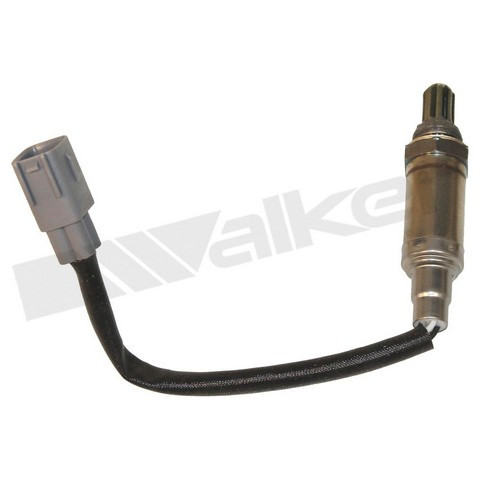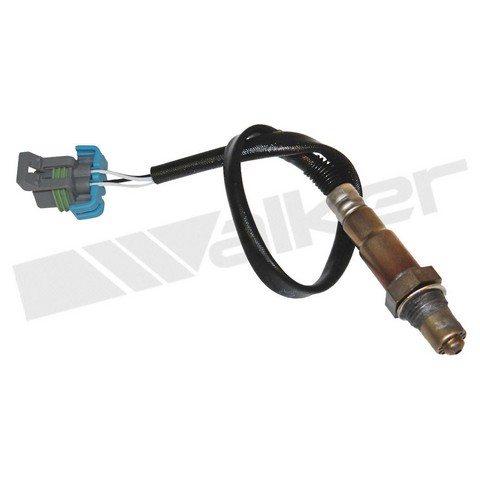
Walker Products Oxygen Sensor P/N:350-64025
Walker Products 350-34490 oxygen sensor for the 2010-2015 Chevrolet Camaro V6 3.6L and other vehicles measures the oxygen in exhaust gas to show combustion efficiency. This Walker Products oxygen sensor is a 4-wire, direct-fit, narrow-band unit.
A failing sensor might show up as rough running, higher fuel use or a lit malfunction indicator light. Before you replace the sensor, look over the wiring harness and connector for physical damage, which can also shorten a sensor's operational life.
It is listed for a wide range of models from Chevrolet, Cadillac and other makes, including the 2010-2014 Cadillac CTS V6 3.0L and the 2012-2019 CTS V6 3.6L, and the 2013-2019 Cadillac ATS V6 3.6L. This listing is one sensor, and each application takes one for its position.
Fit and size
Build and materials
Is this a Cadillac CTS oxygen sensor for the 2010-2014 CTS V6 3.0L and the 2012-2019 CTS V6 3.6L?
Yes. Walker Products 350-34490 is listed for the 2010-2014 Cadillac CTS V6 3.0L and the 2012-2019 CTS V6 3.6L, with one sensor per application.
Is this a Camaro oxygen sensor for a 2010-2015 Chevrolet Camaro V6 3.6L?
Yes. Walker Products 350-34490 is listed for the 2010-2015 Chevrolet Camaro V6 3.6L. If your car is not one named on this page, look it up in the "Vehicles it fits" section before you order.
What thread size is on this narrow-band sensor?
The thread is M18 - 1.5, and the sensor has four wires.
What signs can a failing oxygen sensor show?
It can show up as the engine running poorly, higher exhaust emissions or a warning light on the dash. Other faults can cause these too, so a shop can test the sensor.
Does this oxygen sensor have a coating on its electrodes?
Yes. The electrode surfaces carry a coating against contamination and erosion from combustion residue and exhaust particulates, and the electrodes use a gas-permeable platinum layer.
No reviews yet — be the first to review this product.
Write a Review
WARNING: These products can expose you to chemicals including lead and phthalates, which are known to the State of California to cause cancer and birth defects or other reproductive harm. For more information go to www.P65Warnings.ca.gov.