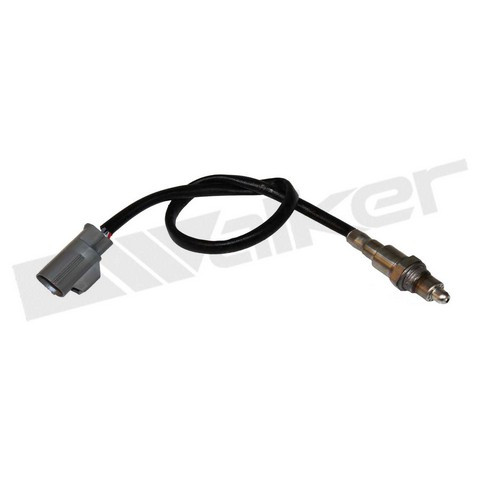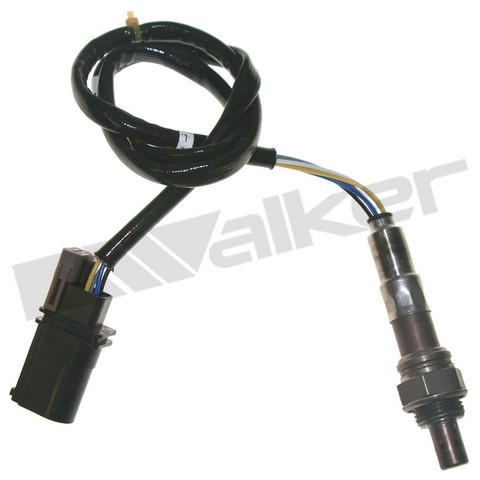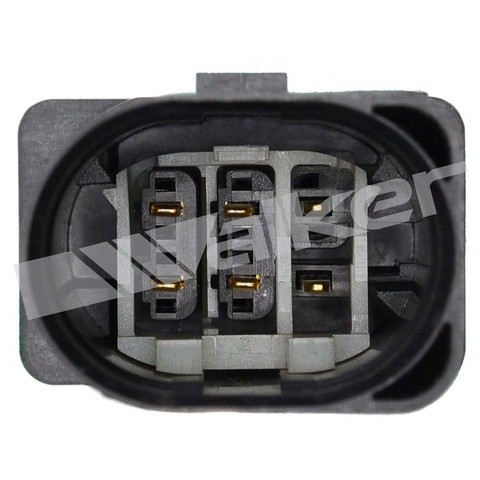
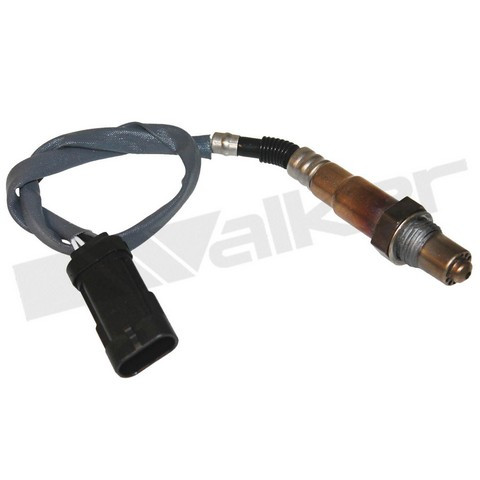
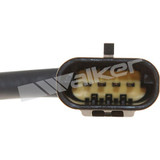
Walker Products Oxygen Sensor P/N:350-34354
Walker Products 350-35129 oxygen sensor for the 2019-2026 Volkswagen Jetta 4-cylinder 2.0L and other vehicles measures the oxygen content of the exhaust gas. It is a 5-W wide-band unit that gives the ECU the diagnostic feedback it needs.
A failing sensor can show up as rough running, higher fuel consumption or a lit malfunction indicator light. Before you replace the sensor, look over its wiring harness and connector for physical damage and read any stored fault codes, because damage there can also shorten a sensor's life.
The 2019-2021 Volkswagen Golf 4-cylinder 2.0L and the 2019-2025 Audi Q3 4-cylinder 2.0L both take this Walker Products oxygen sensor, and it fits many other models too. This listing is one sensor, and the 2019-2026 Volkswagen Jetta 4-cylinder 2.0L takes one. Driving something else? Look up your car on the Buyer's Guide tab before you order.
Fit and size
Build and materials
Is this the right oxygen sensor for a 2019-2026 VW Jetta 4-cylinder 2.0L?
Yes, Walker Products 350-35129 fits the 2019-2026 Volkswagen Jetta 4-cylinder 2.0L, which takes one sensor; if your car is not named, look it up on the Buyer's Guide tab.
Is this a VW Golf oxygen sensor for a 2019-2021 Golf 4-cylinder 2.0L?
Yes. The 2019-2021 Volkswagen Golf 4-cylinder 2.0L takes this sensor, one per car.
What thread size does this 5-W wide-band oxygen sensor have?
The Walker Products 350-35129 has an M18 - 1.5 threaded body and is a 5-W wide-band type.
Can a worn oxygen sensor turn on the check engine light?
Yes. A failed sensor can light the malfunction indicator light, and newer vehicles store fault codes in the ECU, some tied to the sensor and its related systems.
Is this oxygen sensor upstream or downstream?
This sensor is an upstream type. The catalog lists upstream, upstream left and upstream right positions for this part number.
WARNING: These products can expose you to chemicals including lead and phthalates, which are known to the State of California to cause cancer and birth defects or other reproductive harm. For more information go to www.P65Warnings.ca.gov.