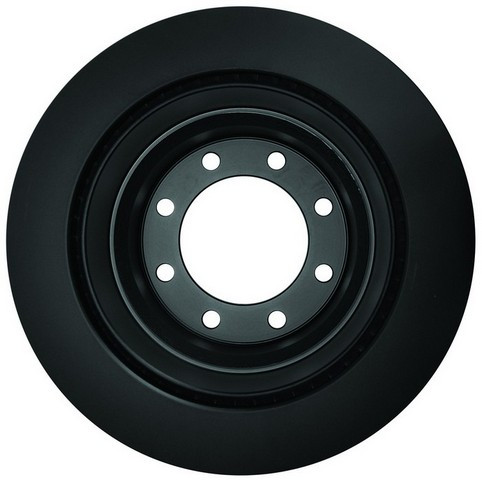
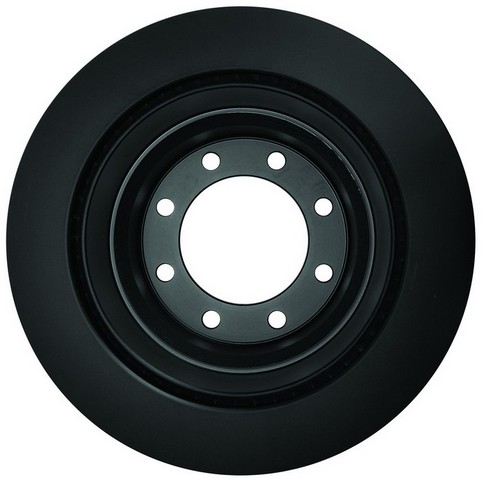
BENDIX FLEET METLOK Disc Brake Rotor P/N:SDR5544
BENDIX SDR5905 rear brake rotor for the 2012-2020 Chevrolet Express 4500 and other vehicles gives the brake pads a surface to clamp against. It belongs to the Fleet MetLok severe duty line, made for work duty trucks, fleet and pursuit vehicles.
Deep grooves, cracks or a pulsing pedal can mean a worn disc brake rotor. These signs alone do not prove the rotor is the problem, since a sticking caliper can cause similar symptoms.
It is listed for a wide range of Chevrolet and GMC models, including the 2012-2020 Chevrolet Express 4500, the 2011-2020 GMC Savana 4500 and the 2009-2020 Chevrolet Express 3500. Open the "Vehicles it fits" section to check your exact model and engine.
Fit and size
Build and materials
This listing is one rear brake rotor. The vehicle takes two rear rotors, and both sides are normally replaced together.
Will these Chevy Express 3500 brake rotors fit a 2009-2020 model?
Yes. BENDIX SDR5905 is a rear rotor listed for the 2009-2020 Chevrolet Express 3500, which takes two; use the "Vehicles it fits" section to check other models.
How many rotors come with the BENDIX SDR5905 listing?
One rear brake rotor. The vehicle takes two rear rotors, so the other side needs its own.
What are ACP castings on the Bendix Fleet MetLok rotor?
ACP stands for Alloyed-Carbon Performance. These castings are built to withstand severe duty demands, with thermal stability and strength.
How can I tell if the BENDIX SDR5905 rear rotor is worn?
Grooves, cracks or pedal pulsation when braking can mean the rotor is worn. A shop can measure it, and brakes showing these signs should be checked promptly.
Is the Bendix Fleet MetLok rotor meant for fleet and police use?
Yes. BENDIX SDR5905 is part of the Fleet MetLok line, built for severe duty on work duty trucks, fleet and pursuit vehicles, with a focus on police and fleet.
No reviews yet — be the first to review this product.
Write a ReviewWARNING: These products can expose you to chemicals including lead and phthalates, which are known to the State of California to cause cancer and birth defects or other reproductive harm. For more information go to www.P65Warnings.ca.gov.