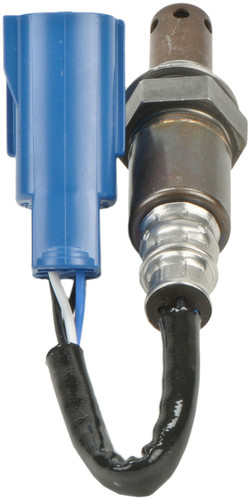
Bosch Oxygen Sensor P/N:13476
Bosch 13751 left oxygen sensor for the 1999-2005 Hyundai Sonata 4-cylinder 2.4L and other vehicles reads the exhaust and sends air-fuel-ratio measurements to the ECU. This Bosch O2 sensor helps the ECU hold stable combustion control and keep emissions down across a wide range of operating conditions.
A check engine light, a rough idle or worse fuel economy can mean an oxygen sensor is wearing out. An exhaust leak, a misfire or a failing catalytic converter can also be behind them, so track down the cause before you buy a sensor.
It is an oxygen sensor for the 2010-2011 Kia Soul 4-cylinder 1.6L and the 2001-2006 Hyundai Santa Fe 4-cylinder 2.4L, and it is listed for a wide range of other Hyundai and Kia models. This listing is one sensor, and the fitment lists a quantity of one. If your car isn't named here, open the Buyer's Guide tab and check your exact model and engine.
Fit and size
Build and materials
One oxygen sensor with its wiring harness. A mounting bracket is not included.
Is this the right O2 sensor for a 1999-2005 Hyundai Sonata 4-cylinder 2.4L?
Yes. The Bosch 13751 is listed for the 1999-2005 Hyundai Sonata 4-cylinder 2.4L, with a quantity of one. For other cars, check the Buyer's Guide tab.
Does the Bosch 13751 come with a wiring harness?
Yes. The Bosch 13751 includes its wiring harness. A mounting bracket is not included.
Is this Bosch premium oxygen sensor narrow-band or wideband?
It is narrow-band. This oxygen sensor is a heated switching-type unit with an integrated heater element.
What signs can a worn heated narrow-band oxygen sensor show?
A check engine light, a rough idle or lower fuel economy can be signs of a worn sensor. A shop can test the sensor's signal with a scan tool.
Is anti-seize already on the threads of this oxygen sensor?
Yes. Conductive anti-seize is pre-applied to the M18 - 1.5 threads of the Bosch 13751, and the connectors are direct-fit.
WARNING: These products can expose you to chemicals including lead and phthalates, which are known to the State of California to cause cancer and birth defects or other reproductive harm. For more information go to www.P65Warnings.ca.gov.