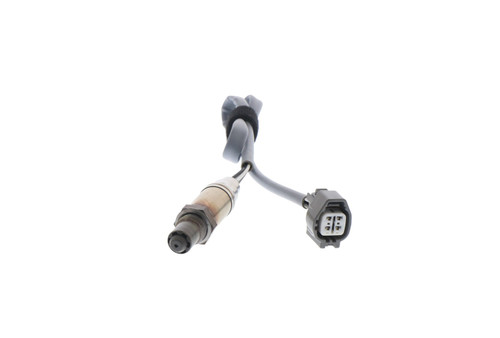
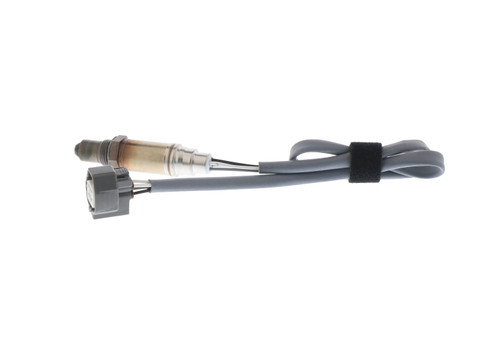
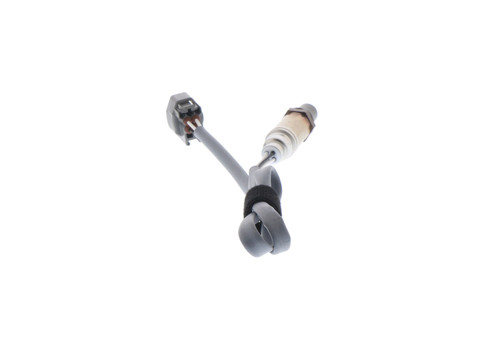
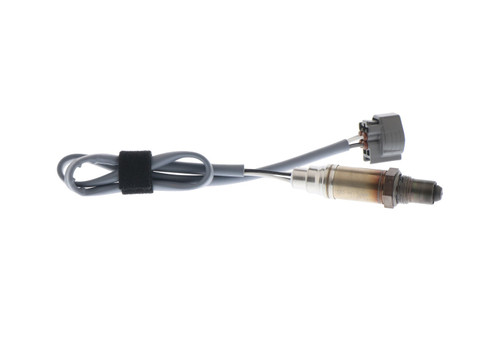
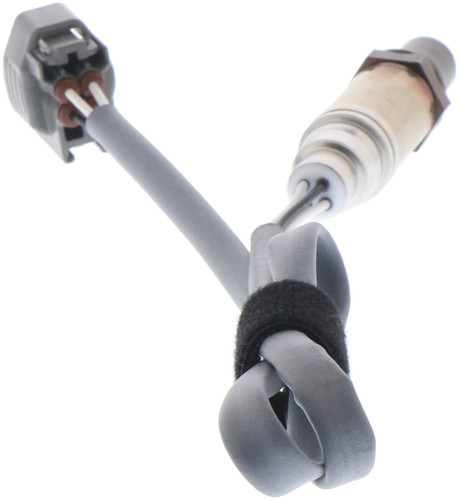
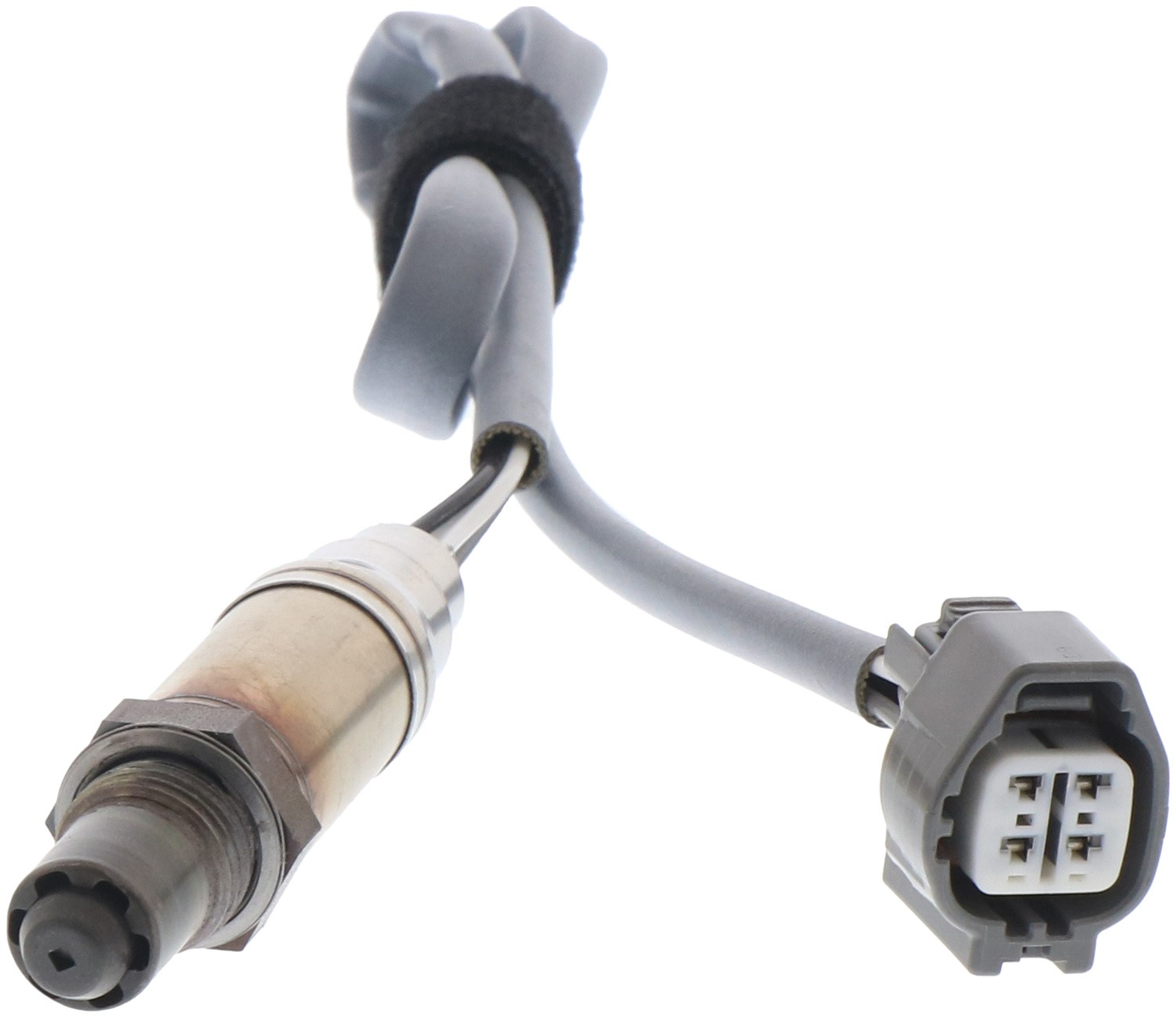
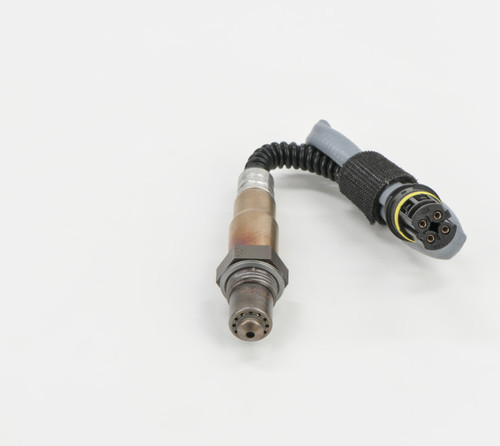
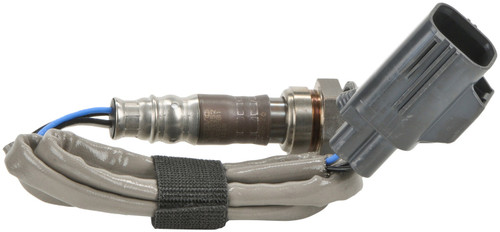
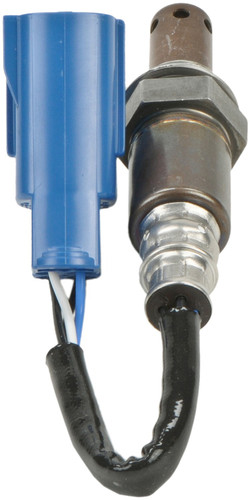
Bosch 15936 oxygen sensor for the 2002-2005 Jaguar X-Type V6 2.5L, the 2002-2008 X-Type V6 3.0L and other vehicles measures the air-fuel ratio in the exhaust and reports it to the ECU. Heated and narrow-band, this downstream sensor gives the ECU the feedback it uses for stable combustion control and helps reduce emissions.
- Switching-type narrow-band sensor that sends air-fuel-ratio readings to the ECU
- Metal housing, integrated heater element and TSP coating to resist vibration, corrosion and contamination
- Built to withstand exhaust streams up to 1,880°F
- Reaches operating temperature in less than 10 seconds for quick closed-loop control
Quick facts
- Part: Bosch 15936 oxygen sensor
- Fits: the 2002-2005 Jaguar X-Type V6 2.5L, the 2002-2008 X-Type V6 3.0L and other vehicles
- Position: Downstream
- Material: Metal
- Condition: New
A sensor that is slow or failing can show up as a check engine light, rough running or higher fuel use, though other problems can look the same. Before you replace this oxygen sensor, rule out an exhaust leak near it, damaged wiring and a loose connector; if the sensor is the cause, this one replaces it.
Fits
The 2002-2005 Jaguar X-Type V6 2.5L, the 2002-2008 X-Type V6 3.0L, the 1997-2002 Jaguar XK8 V8 4.0L and the 2003-2006 XK8 V8 4.2L all take this downstream oxygen sensor, and so do many other Jaguar models. This listing is one sensor, and the 2002-2005 Jaguar X-Type V6 2.5L takes two.
Specifications
Fit and size
- Position: downstream
- Quantity per vehicle: 2
- Thread size: M18 - 1.5
- Hex size: 22 mm
- Length (sealing surface to end of connector): 25.8 in
Build and materials
- Type: narrow-band, switching-type, direct fit
- Heated: yes
- Housing material: metal
- Condition: new
- Warranty: Bosch 1-year, unlimited-mileage warranty for non-commercial passenger cars and light trucks
In the box
One oxygen sensor with its wiring harness. A mounting bracket is not included.
Installation notes
- Direct-fit connectors.
- Conductive anti-seize is pre-applied on the threads.