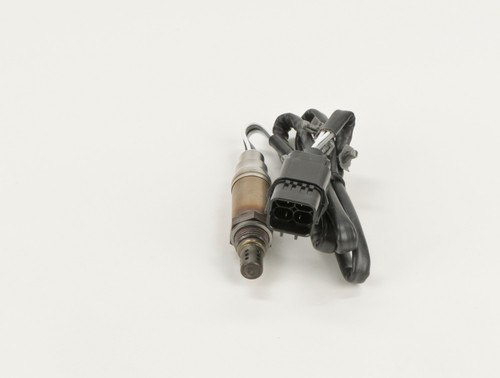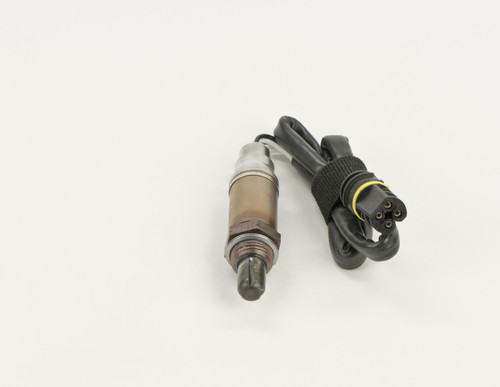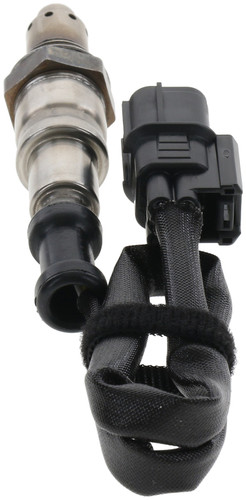
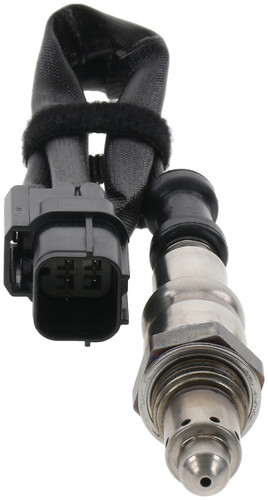
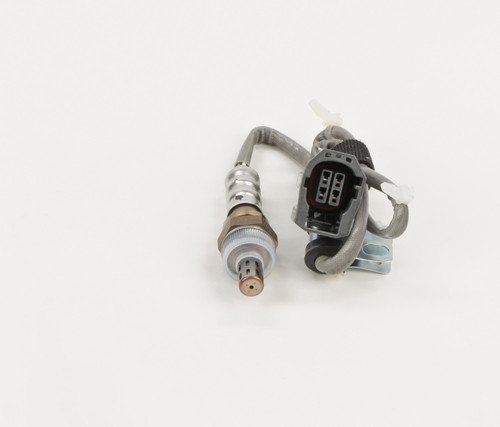
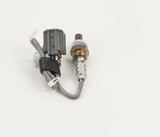
Bosch Oxygen Sensor P/N:15386
Bosch 16581 oxygen sensor for the 2018-2026 Honda Accord 4-cylinder 1.5L and other vehicles reads the air-fuel ratio in the exhaust and reports it to the ECU. This upstream sensor helps the ECU hold stable combustion and lower emissions.
A worn sensor can show up as a check engine light, a rough idle or poorer fuel economy. These signs alone do not prove the sensor is at fault; an exhaust leak ahead of it can give a similar reading.
It is an oxygen sensor for the 2022-2026 Honda Civic 4-cylinder 1.5L and for the 2023-2025 Honda CR-V 4-cylinder 1.5L, among the other vehicles it fits. Either car needs only one.
Fit and size
Build and materials
One oxygen sensor with its wiring harness. A mounting bracket is not included, and an old one may not be reusable.
Is this the right Honda Accord oxygen sensor for the 2018-2026 model with the 4-cylinder 1.5L?
Yes, Bosch 16581 is the upstream sensor for the 2018-2026 Honda Accord 4-cylinder 1.5L, and the car takes one. If your car is not that one, look it up in the "Vehicles it fits" section by year and engine.
Does this Bosch O2 sensor come with its wiring harness?
Yes, Bosch 16581 includes its wiring harness; a mounting bracket is not included.
What thread and hex size does this Bosch premium oxygen sensor have?
Bosch 16581 has an M18 - 1.5 thread and a 22 mm hex. Its length from the sealing surface to the end of the connector is 16.3 in.
Can a failing upstream oxygen sensor turn on the check engine light?
Yes, a failing upstream oxygen sensor may set a check engine light, and a shop can read the stored codes to see which sensor triggered it.
Is anti-seize already on the threads of the Bosch 16581?
Yes, conductive anti-seize comes pre-applied to the threads of the Bosch 16581, and its connectors are direct-fit.
No reviews yet — be the first to review this product.
Write a Review
WARNING: These products can expose you to chemicals including lead and phthalates, which are known to the State of California to cause cancer and birth defects or other reproductive harm. For more information go to www.P65Warnings.ca.gov.