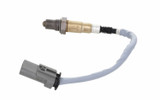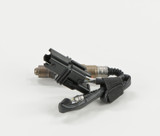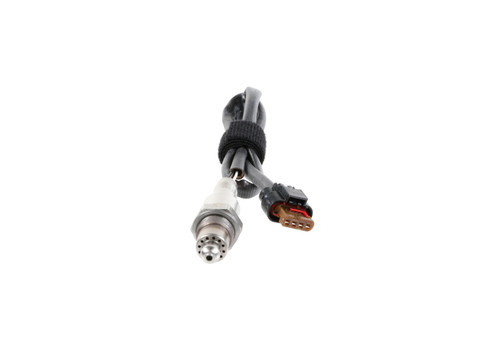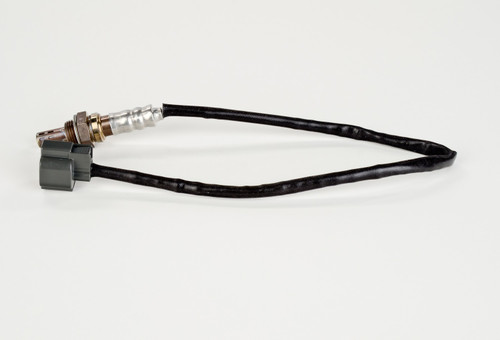
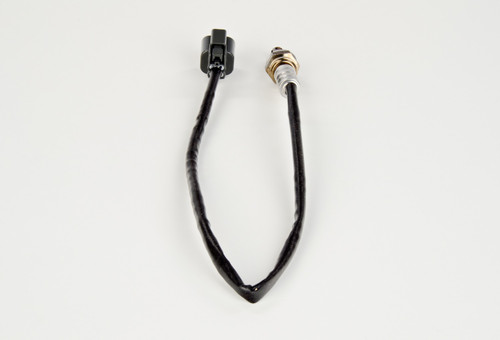
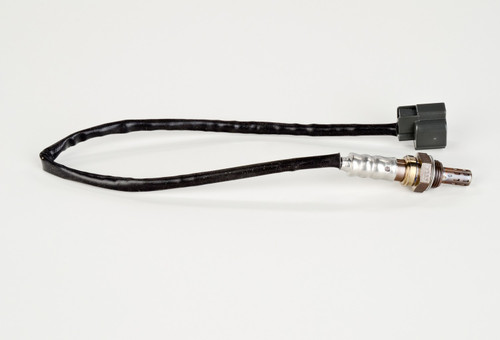
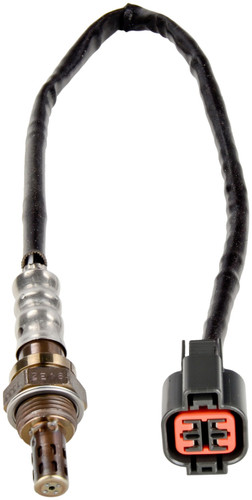
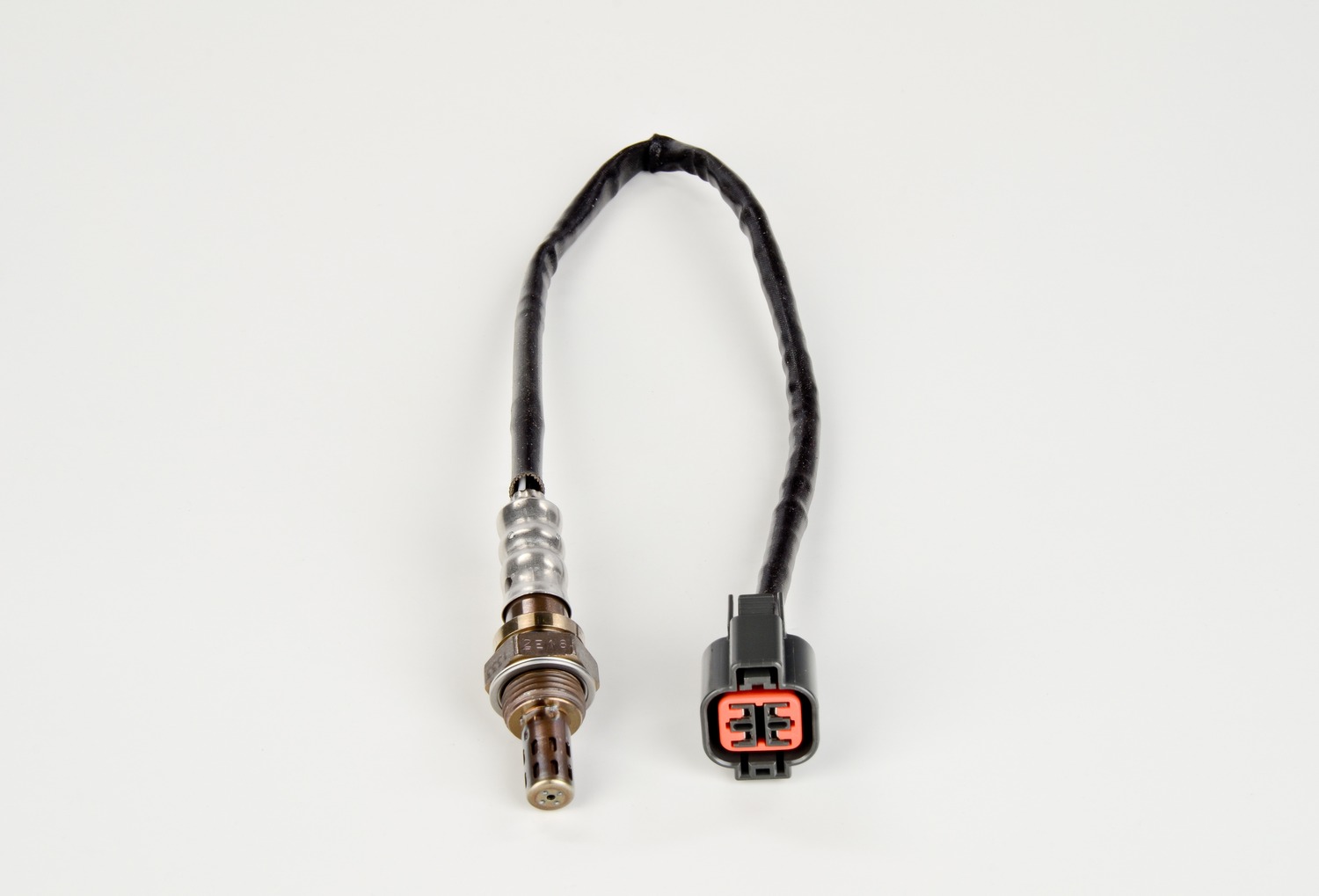
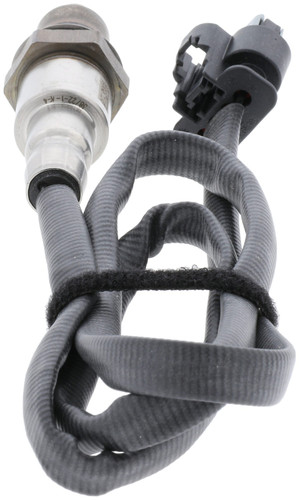
Bosch Oxygen Sensor P/N:16224
Bosch 18046 rear oxygen sensor for the 2010-2014 Hyundai Sonata 4-cylinder 2.4L, the 2011-2014 Sonata 4-cylinder 2.0L and other vehicles sends the ECU air-fuel-ratio readings from the exhaust. This Bosch O2 sensor is a heated, narrow-band unit that helps the ECU hold stable combustion.
A check engine light or poorer fuel economy can mean a rear oxygen sensor is wearing out, though other faults trigger those signs too. With the engine off and cool, look over the sensor's wiring and connector for damage, and leave the code scan and live tests to a shop before you replace it.
It fits the 2010-2014 Hyundai Sonata 4-cylinder 2.4L and the 2011-2014 Sonata 4-cylinder 2.0L. It is also an oxygen sensor for the 2011-2013 Kia Optima 4-cylinder 2.4L and the 2011-2015 Optima 4-cylinder 2.0L.
Fit and size
Build and materials
One oxygen sensor with its wiring harness. A mounting bracket is not included. This listing is a single sensor, and each car in the fitment takes one.
Does Bosch 18046 work as a 2011 Hyundai Sonata oxygen sensor?
Yes. Bosch 18046 rear oxygen sensor fits the 2010-2014 Hyundai Sonata 4-cylinder 2.4L and the 2011-2014 Sonata 4-cylinder 2.0L, so a 2011 model is covered with either engine.
Is Bosch 18046 a heated narrow-band sensor?
Yes. Bosch 18046 is a heated, narrow-band (switching-type) oxygen sensor with an M18 - 1.5 thread and a 22 mm hex.
Does the Bosch 18046 come with a wiring harness or a mounting bracket?
This rear oxygen sensor comes with its wiring harness. A mounting bracket is not included.
What warranty covers the Bosch premium oxygen sensor 18046?
Bosch backs this sensor with a 1-year, unlimited-mileage warranty for non-commercial passenger cars and light trucks.
Is this an upstream or downstream oxygen sensor?
This sensor is a downstream (rear) unit, and the listing is one sensor.
Published by the manufacturer of this part. Links open in a new tab.
No reviews yet — be the first to review this product.
Write a Review
WARNING: These products can expose you to chemicals including lead and phthalates, which are known to the State of California to cause cancer and birth defects or other reproductive harm. For more information go to www.P65Warnings.ca.gov.