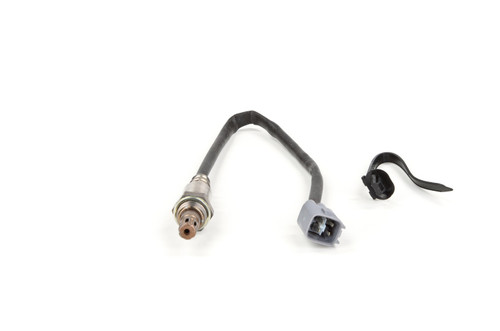
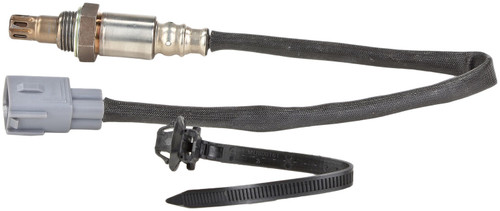
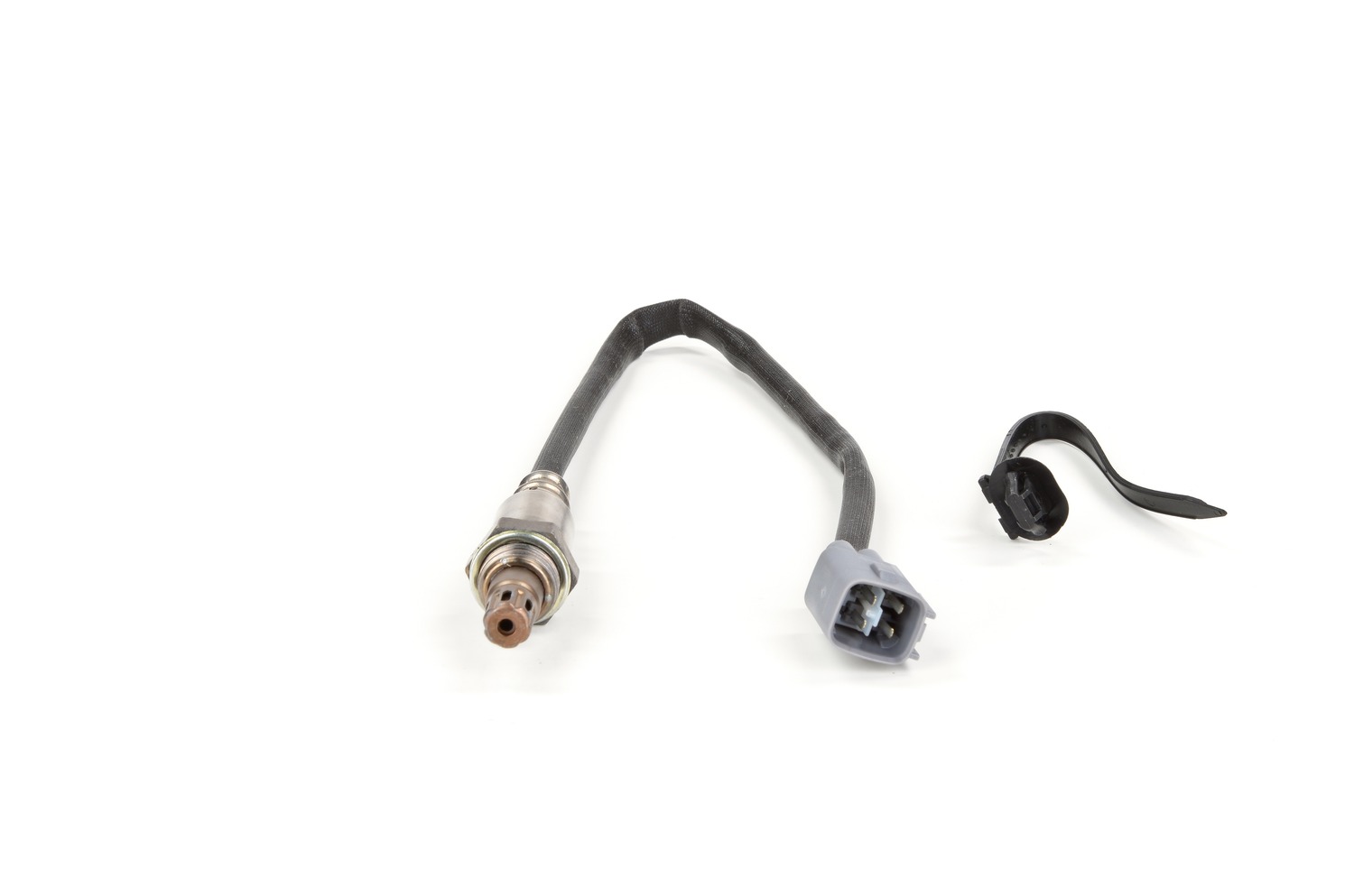
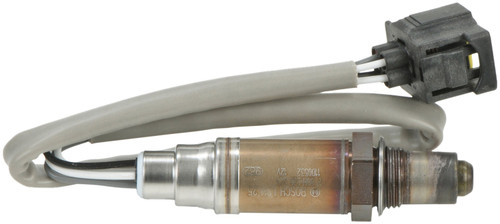
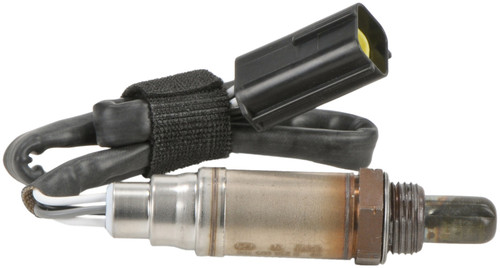
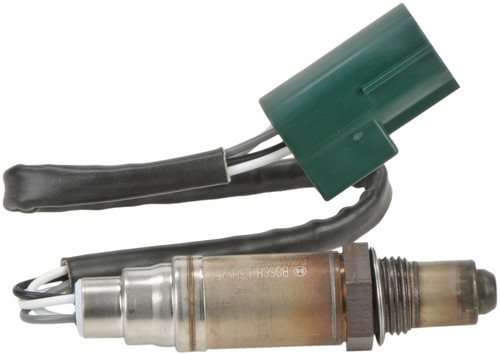
Bosch 18071 oxygen sensor for the 2011-2022 Toyota Corolla 4-cylinder 1.8L and other vehicles reads the air-fuel ratio continuously across the full lambda range and passes it to the ECU. As a wideband sensor, it gives the ECU more detailed readings than a traditional switching sensor, which supports fuel efficiency and lower emissions.
- Planar pump-cell wideband design for high-precision air-fuel ratio measurement
- Reaches operating temperature in under 7 seconds for quick closed-loop control
- Metal housing, integrated heater element and TSP coating to resist vibration, corrosion and contamination
- Built to withstand exhaust streams up to 1,880°F
Quick facts
- Part: Bosch 18071 oxygen sensor
- Fits: 2011-2022 Toyota Corolla 4-cylinder 1.8L and other vehicles
- Position: Upstream, upstream left, upstream right
- Material: Metal housing
- Condition: New
A worn wideband sensor can show up as a check engine light, a rough idle or higher fuel use. Before you replace the sensor, rule out an exhaust leak near it, damaged wiring and a loose connector, since each of those can also upset the readings.
Fits
Listed for a wide range of Toyota, Lexus and Scion models, this is an oxygen sensor for the 2013-2015 Lexus IS250 V6 2.5L and the 2013-2014 Toyota 4Runner V6 4.0L, in addition to the car named at the top. This listing is one sensor, and each of those takes one. Driving something else? Run your car through the "Vehicles it fits" section before you order.
Specifications
Fit and size
- Position: upstream, upstream left, upstream right
- Quantity per vehicle: varies by vehicle
- Thread size: M18 - 1.5
- Hex size: 22 mm
- Overall length: 15.9 in
- Length (sealing surface to end of connector): 14.8 in
- Terminal quantity: 4
Build and materials
- Sensor type: wide-band
- Mounting type: threaded
- Housing material: metal
- Wiring harness: included
- Condition: New
- Warranty: Bosch 1-year, unlimited-mileage warranty for non-commercial passenger cars and light trucks
- Country of origin: United States
In the box
One oxygen sensor with its wiring harness.
Installation notes
- Direct-fit connectors allow quick installation.
- Conductive anti-seize is pre-applied on the threads.
Frequently Asked Questions
Is this the right Toyota Corolla oxygen sensor for a 2011-2022 model with the 4-cylinder 1.8L?
Yes. Bosch 18071 is listed for the 2011-2022 Toyota Corolla 4-cylinder 1.8L, which takes one sensor. For any other car, use the "Vehicles it fits" section.
Does the Bosch 18071 come with a wiring harness?
Yes. Bosch 18071 comes with its wiring harness, and the direct-fit connectors are made for quick installation.
Is this Bosch premium oxygen sensor a wideband type?
Yes. It is a wide-band sensor with 4 terminals, an M18 - 1.5 thread and a 22 mm hex.
Is anti-seize already on this Bosch O2 sensor's threads?
Yes. Conductive anti-seize is pre-applied on the threads of this oxygen sensor.
Does a check engine light mean this wideband oxygen sensor is failing?
Not by itself. A worn sensor can light the lamp, with a rough idle or higher fuel use, but other faults can too; a shop can read the codes and test it.