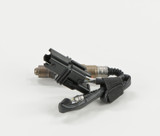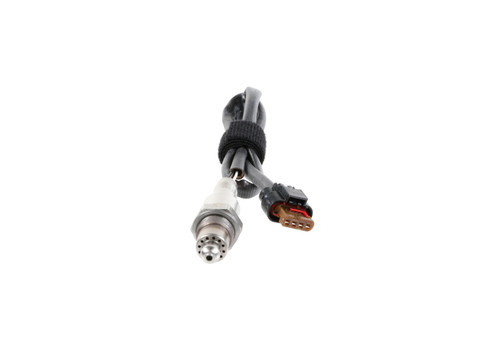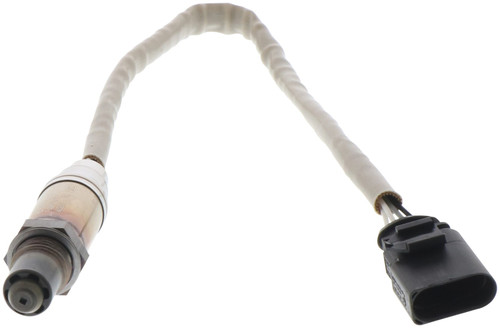
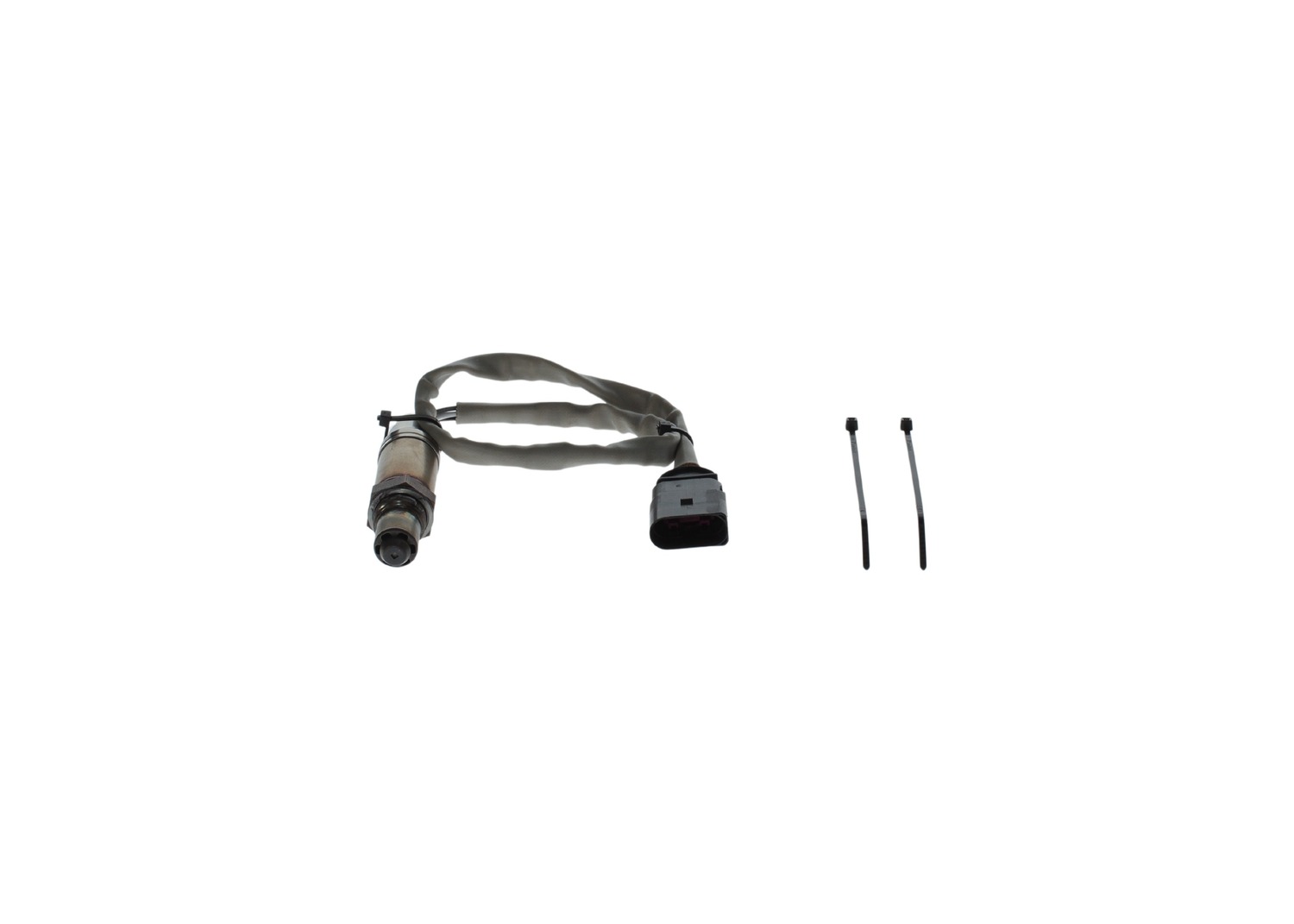
Bosch Oxygen Sensor P/N:15936
Bosch 18087 oxygen sensor for the 2012-2015 Audi A6 Quattro V6 3.0L and other vehicles sends air-fuel-ratio readings from the exhaust to the ECU. The ECU uses them to keep combustion stable and help reduce emissions.
An oxygen sensor that is wearing out can show up as a check engine light, a rough idle or lower fuel economy, though other faults produce the same signs. Before you replace this sensor, rule out damaged wiring or an exhaust leak, since either can skew the readings.
This sensor is listed for a wide range of Audi models, among them the 2012-2015 A6 Quattro V6 3.0L, the 2012-2015 A7 Quattro V6 3.0L and the 2013-2014 A8 Quattro V6 3.0L. This listing is one downstream sensor, and those Audis take two.
Fit and size
Build and materials
One oxygen sensor with its wiring harness. A mounting bracket is not included.
Is this Audi A6 Quattro oxygen sensor right for a 2012-2015 Audi A6 Quattro V6 3.0L?
Yes. Bosch 18087 is listed for the 2012-2015 Audi A6 Quattro V6 3.0L, among other cars. If yours is another model, find it in the "Vehicles it fits" section.
Does this Bosch O2 sensor come with a wiring harness?
Yes. The Bosch 18087 includes a wiring harness. A mounting bracket is not included.
What thread and hex size does this Bosch premium oxygen sensor have?
This downstream sensor has an M18 - 1.5 thread and a 22 mm hex. Its length from the sealing surface to the end of the connector is 19.7 in.
Does the Bosch 18087 come with anti-seize on the threads?
Yes. Bosch 18087 has conductive anti-seize pre-applied to the threads, and its connectors are direct-fit.
What warranty covers this downstream oxygen sensor?
Bosch backs it with a 1-year, unlimited-mileage warranty for non-commercial passenger cars and light trucks.
Published by the manufacturer of this part. Links open in a new tab.
No reviews yet — be the first to review this product.
Write a Review
WARNING: These products can expose you to chemicals including lead and phthalates, which are known to the State of California to cause cancer and birth defects or other reproductive harm. For more information go to www.P65Warnings.ca.gov.