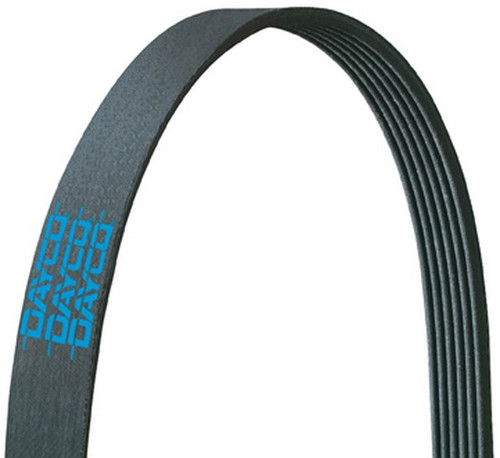


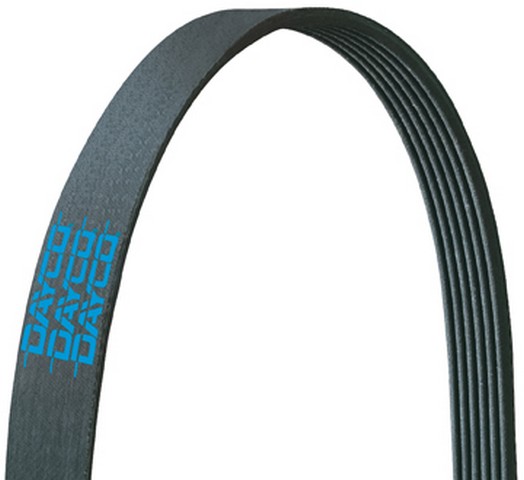
Dayco 5040335 serpentine belt for the 2001-2005 Volkswagen Passat 4-cylinder 1.8L, the 2004-2005 Passat 4-cylinder 2.0L and other vehicles turns the alternator, power steering and air conditioning from the engine. One belt runs the whole accessory drive, so each engine takes just one.
Squealing, cracked or frayed ribs and a shiny, glazed surface can all mean a belt is worn. With the engine off and cool, run your eye along the ribs for those marks. A squeal can also come from a worn tensioner or pulley, so find the cause before you replace the belt.
The vehicles it fits include the 2001-2005 Volkswagen Passat 4-cylinder 1.8L and 2004-2005 Passat 4-cylinder 2.0L, the 1996-2000 Hyundai Elantra and the 1993-1997 Nissan Altima.
Fit and size
Build and materials
Interchange: 25-040335 · 25-040336
4K335 · 4K336 · 4PK850 · K040335 · K040336 · 4040335 · PK040335 · PK040336 · 335K4 · K040335RPM
This part cross-references / interchanges with the following part numbers:
Is the Dayco 5040335 a Nissan Altima serpentine belt for the 1993-1997 model years?
Yes. The Dayco 5040335 fits the 1993-1997 Nissan Altima, and the car takes one belt. If your car is not named on this page, look it up on the Buyer's Guide tab.
Is this the Hyundai Elantra serpentine belt for 1996-2000 models?
Yes. Dayco 5040335 fits the 1996-2000 Hyundai Elantra, and the car takes one belt.
What operating temperatures can this Dayco drive belt handle?
This belt is rated for -45 °F to 212 °F (-42.7 °C to 100 °C).
What is the Dayco serpentine belt made of, and what standards does it meet?
It is EPDM with aramid reinforcement, in a K-section profile with straight ribs. It meets SAE J1459 and SAE J2432.
How do I check the ribs on this serpentine belt for wear?
With the engine off and cool, look along the ribs for cracks, fraying or a shiny glazed surface. Squealing can also be a sign of wear; a shop can test tension and pulley alignment.


WARNING: These products can expose you to chemicals including lead and phthalates, which are known to the State of California to cause cancer and birth defects or other reproductive harm. For more information go to www.P65Warnings.ca.gov.
