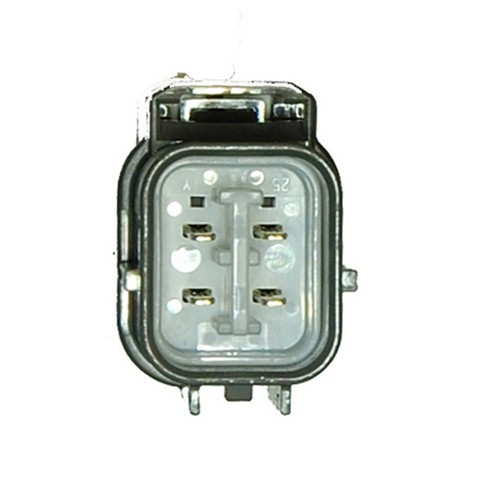
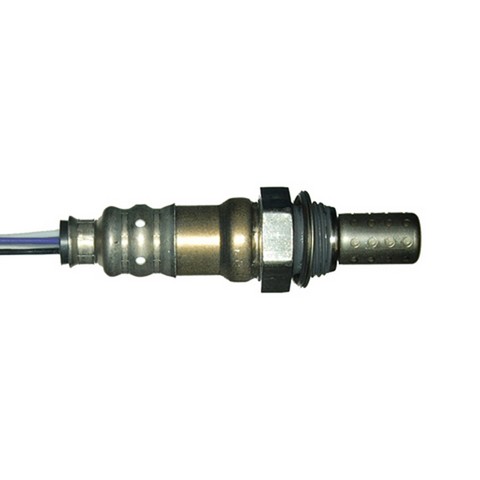
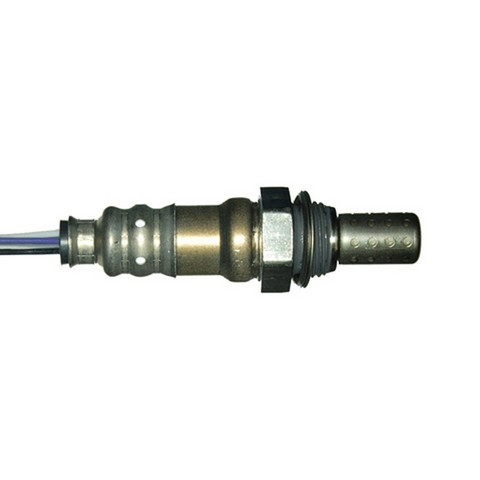
Delphi ES20053 oxygen sensor for the 1995-1997 Honda Accord V6 2.7L and other vehicles senses exhaust oxygen for the engine computer. This Delphi oxygen sensor is built, tested and calibrated to OE standards for accurate readings.
- Delphi planar technology covers older, conical design sensors
- Smart design consolidates SKUs without using long wires
- Patented protective sensor coating helps prevent contamination
- Validated for all fuel types, including ethanol blends like E85
- Tested to 150,000 miles, plus 2,000 hours of severe thermal testing
Quick facts
- Part: Delphi ES20053 oxygen sensor
- Fits: 1995-1997 Honda Accord V6 2.7L and other vehicles
- Position: Front, Rear, Rear Left
- Condition: New
A check engine light, rough running or lower fuel economy can mean an oxygen sensor is wearing out, and each of them can have other causes too. Before replacing it, look over the wire and connector with the engine off and cool for cracks, burns or damage, and have a shop test the circuit if nothing shows.
Fits
The 1995-1997 Honda Accord V6 2.7L, the 1992-2000 Honda Civic 4-cylinder 1.6L and the 1993-1995 Civic 4-cylinder 1.5L, and the 1995-1999 Acura NSX V6 3.0L and the 1997-1999 NSX V6 3.2L are among the vehicles this oxygen sensor fits, along with many others.
Specifications
Fit and size
- Position: Front, Rear, Rear Left
- Quantity per application: 1
Build and materials
- Technology: Delphi planar
- Condition: New
In the box
One oxygen sensor and one instruction sheet. This listing holds a single sensor, and the fitment lists a quantity of one for each vehicle.
Frequently Asked Questions
Is this the right oxygen sensor for the 1995-1997 Honda Accord V6 2.7L?
Yes. Delphi ES20053 fits the 1995-1997 Honda Accord V6 2.7L. If yours is a different car, enter its year and engine in the "Vehicles it fits" section to see whether it is covered.
Is this an oxygen sensor for the 1992-2000 Honda Civic 4-cylinder 1.6L?
Yes. Delphi ES20053 fits the 1992-2000 Honda Civic 4-cylinder 1.6L and the 1993-1995 Honda Civic 4-cylinder 1.5L; the position varies by vehicle and is listed as front, rear or rear left.
Is this oxygen sensor validated for E85 ethanol blends?
Yes. This oxygen sensor is validated for all fuel types, including ethanol blends like E85.
Does the Delphi ES20053 come with an instruction sheet?
Yes. The package holds one oxygen sensor and one instruction sheet.
How far was this oxygen sensor tested?
It was OE tested to 150,000 miles, plus 2,000 hours of severe thermal testing.