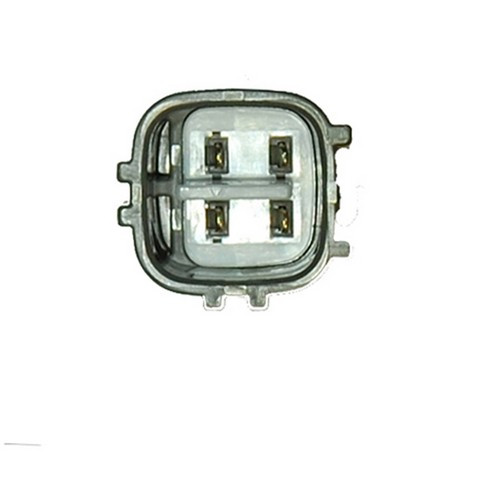
Delphi Oxygen Sensor P/N:ES20014
Delphi ES20193 rear oxygen sensor for the 2000-2004 Toyota Tacoma 4-cylinder 2.7L and the 2001-2004 Tacoma 4-cylinder 2.4L or V6 3.4L is an O2 sensor that reads the oxygen in the exhaust and sends that signal to the engine computer. This Delphi oxygen sensor is tested and calibrated to OE standards for accurate readings.
A check engine light with an oxygen sensor code, or a change in fuel economy, can mean the sensor is worn. An exhaust leak, damaged wiring or a faulty upstream sensor can be behind those signs too, so find the cause before you buy a new sensor.
It is a Toyota Tacoma O2 sensor for the 2000-2004 models with the L4-2.7L and the 2001-2004 models with the L4-2.4L or V6-3.4L.
Fit and size
Build and materials
One oxygen sensor and one instruction sheet. This listing is a single sensor, and one is the quantity each engine above takes in the rear position.
Is this a 2001 Toyota Tacoma O2 sensor for the V6-3.4L?
Yes. Delphi ES20193 is a rear sensor that fits the 2001-2004 Toyota Tacoma with the V6-3.4L, so a 2001 model is covered.
Is this a 2002 Tacoma O2 sensor for the L4-2.4L engine?
Yes. Delphi ES20193 is a rear sensor that fits the 2001-2004 Toyota Tacoma with the L4-2.4L, so a 2002 model is covered.
What comes with the Delphi ES20193 rear oxygen sensor?
One oxygen sensor and one instruction sheet. The listing is a single sensor, and one is the quantity each listed engine takes in the rear position.
Does this rear oxygen sensor work with ethanol blends like E85?
Yes. It is validated for every fuel type, E85 and other ethanol blends included.
How much testing was this rear oxygen sensor put through?
Delphi ES20193 went through OE testing to 150,000 miles plus 2,000 hours of severe thermal testing. A patented protective coating on the sensor helps prevent contamination.
No reviews yet — be the first to review this product.
Write a ReviewWARNING: These products can expose you to chemicals including lead and phthalates, which are known to the State of California to cause cancer and birth defects or other reproductive harm. For more information go to www.P65Warnings.ca.gov.