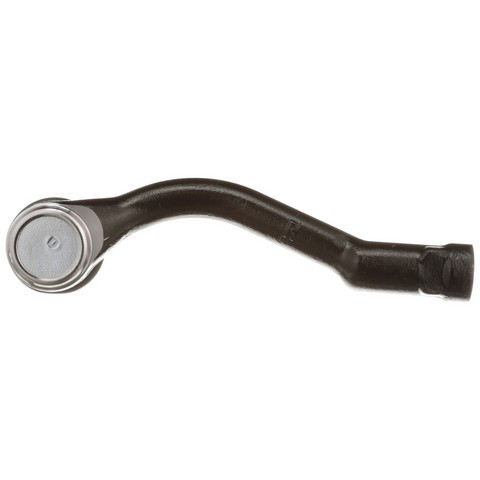
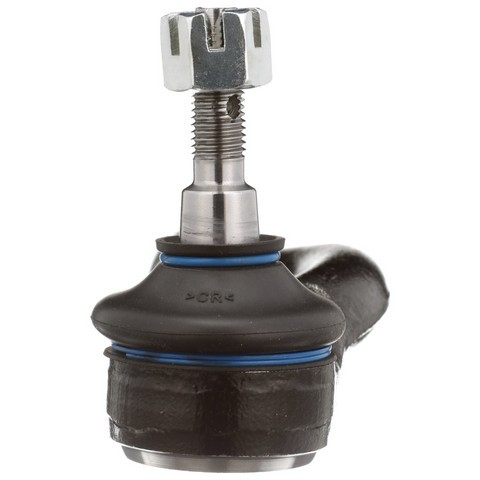
Delphi Steering Tie Rod End P/N:TA5486
Delphi TA3374 tie rod end for the 2016-2017 Hyundai Sonata and other vehicles joins the steering linkage to the steering knuckle, so steering input turns the wheel.
A worn steering tie rod end can show up as loose or vague steering, uneven tire wear or a knock when turning. Before you replace it, rule out a worn strut mount, ball joint or wheel bearing, since those parts can also change how the steering feels.
The same tie rod end is a direct-fit replacement for the 2016-2019 Kia Optima and the 2017-2019 Kia Sportage, and the quantity for each is one. This listing is a single right outer unit, and the left outer on that axle is normally replaced in the same visit.
Fit and size
Build and materials
Interchange: 101-8113
56820D3000 · 56825E6090 · KTR4619 · TO60312 · MS90661 · MS90664
This part cross-references / interchanges with the following part numbers:
Is the Delphi TA3374 a 2016-2017 Hyundai Sonata tie rod replacement?
Yes, Delphi TA3374 is a right outer tie rod end for the 2016-2017 Hyundai Sonata and also fits the 2016-2019 Kia Optima; for any other car, look it up in the "Vehicles it fits" section.
Is the Delphi TA3374 a left or right tie rod end?
It is the right outer position. Delphi TA3374 is sold as a single unit, one per listing.
Beyond a Delphi tie rod review, what testing is behind this tie rod end?
This tie rod end withstands temperatures below -40 degrees C and over 120 degrees C and is exposed to 720 hours of salt spray. It is also fatigue tested to avoid failure.
How can I tell if a tie rod end on my car is worn?
Loose or vague steering, uneven tire wear or a knocking noise when turning can point to a worn tie rod end. Play in the joint is something a shop can check safely.
How is the ball stud on Delphi TA3374 made?
The ball stud on Delphi TA3374 is machined to micron tolerances for durability and smooth joint operation. Anti-corrosion protection is applied to the part.
No reviews yet — be the first to review this product.
Write a Review
WARNING: These products can expose you to chemicals including lead and phthalates, which are known to the State of California to cause cancer and birth defects or other reproductive harm. For more information go to www.P65Warnings.ca.gov.