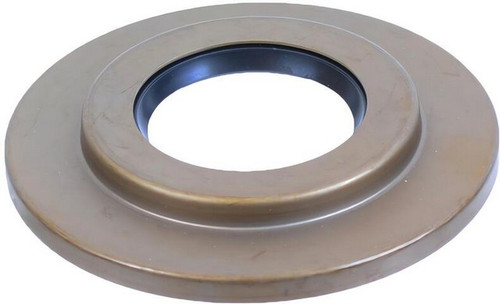
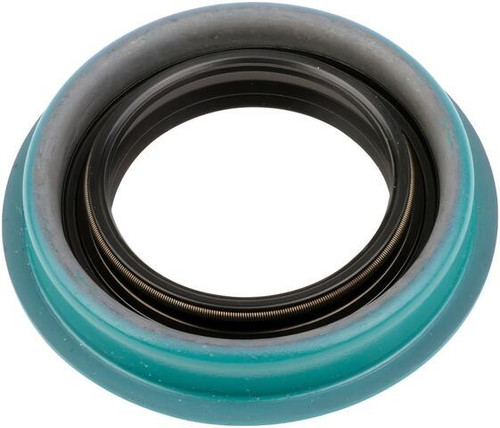
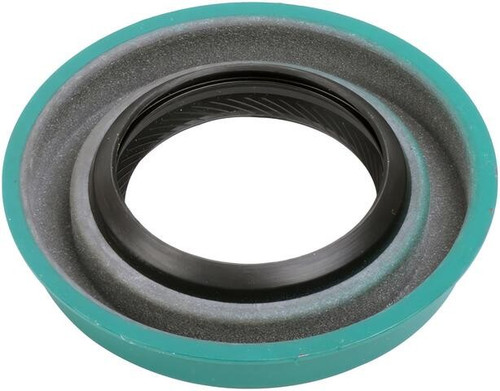
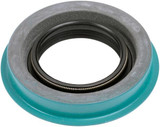
Keep lubricant in and dirt and water out of your rear differential with the SKF differential pinion seal 18276. It is a direct-fit replacement for the listed applications, including the 1957-1959 Ford Thunderbird, 1957-1958 Ford Fairlane and Ranchero, 1958 Edsel Pacer and Corsair, and 1957-1958 Mercury Montclair.
- Dirt and water protection: Designed to give superior protection against dirt and water.
- Rigid metal case: The body is formed from deep drawn sheet steel, creating a rigid, stress-resistant metal case.
- Steel garter spring: The garter spring is made from cold drawn steel wire for superior fluid retention.
- Correct fit: Built with a high-quality, tested design and materials for correct fit.
A pinion seal closes off the opening where the pinion leaves the rear differential. The seal stays stationary while the pinion assembly turns against it, holding lubricant in and keeping road contaminants out. Signs this part may need replacing include lubricant weeping around the pinion yoke, drips under the rear axle, or a low differential fluid level. If a worn pinion seal is the source of the leak, this seal replaces it.
SKF invented the first integrated shaft seal in 1928 and has continued to develop new designs and bonding techniques since then. Its seals are made to specific designs from premium materials chosen for the application and its environment.
Other listed applications include the 1957-1958 Ford Country Squire, Skyliner and Ranch Wagon, the 1958 Mercury Park Lane, and the 1957 Mercury Turnpike Cruiser. See the Buyer's Guide tab for the full vehicle list and engine details.
Interchange: CHR 18276
CHR18276 · 2067212 · 2067213 · 975918276 · B7A4676A · B8A4676A · WAA4676 · WAA4676A · WAA4676B · WAT4676A · WAT4676A3 · 145818276 · 6930 · 46100 · A46657
This part cross-references / interchanges with the following part numbers:
2067212, 2067213, 975918276, B7A4676A, B8A4676A, WAA4676, WAA4676A, WAA4676B, WAT4676A, WAT4676A3, CHR 18276, 145818276, 6930, 46100, A46657