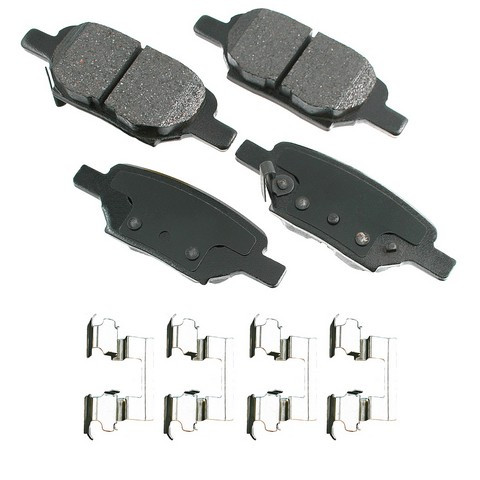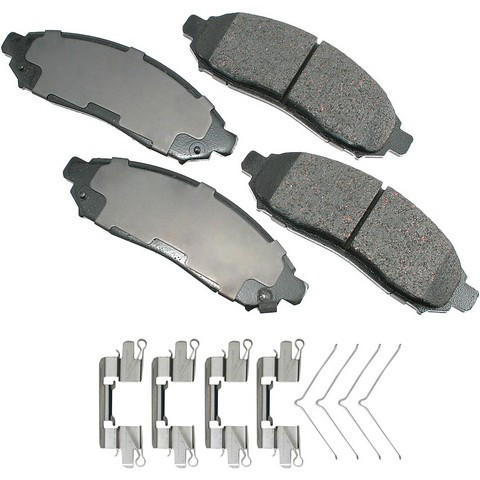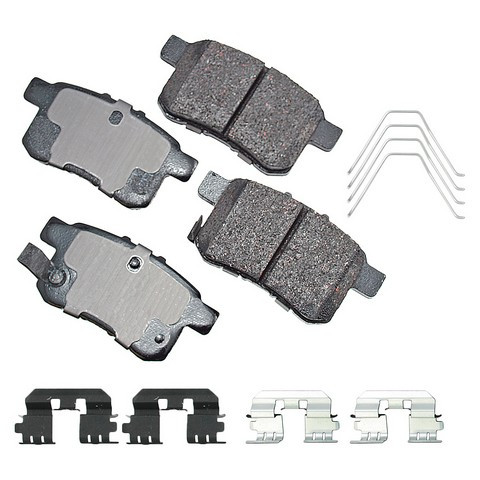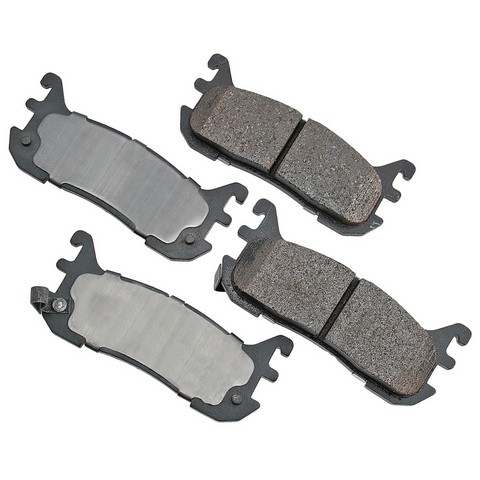
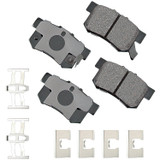
Rear Brake Pad for 1999-2005 Mazda Miata & More - Akebono ProACT ACT636

Be the first to review this product
$63.99
WARNING:California Proposition 65▾
MPN: ACT636
UPC: 821726001238
Item Package Quantity: 1
Adding to cart… The item has been added

Have questions?

Akebono ProACT Disc Brake Pad Set P/N:ACT636
$63.99

Dial in controlled, consistent braking with the Akebono ProACT ceramic brake pads (P/N ACT636), a rear disc brake pad set engineered for braking performance and NVH control. It drops in as a direct-fit replacement for many vehicles, among them the 1999-2005 Mazda Miata, 1997-2003 Ford Escort and 1997-1999 Mercury Tracer. These Akebono ProACT ultra premium ceramic brake pads use OE-validated, application-specific ceramic friction formulations designed for optimal braking performance and NVH control on the rear axle.

  • Ceramic friction: OE-validated, application-specific ceramic formulation.
  • Precision-cut pressure plates: part of the pad's engineered design for braking performance and NVH control.
  • Scientifically engineered chamfers and slots: shaped for optimal braking performance and NVH (noise, vibration and harshness) control.

Akebono, the originator of ceramic brake technology and an original-equipment brake supplier, builds the ProACT line with a focus on NVH analysis and control. For even, balanced braking, it's best to fit the pads on both sides of the axle at the same time. See the Buyer's Guide tab for the full list of vehicles and engine details.

This part cross-references / interchanges with the following part numbers:

7514-D636, 7514-D663, 7682-D663

Frequently Asked Questions

Is this the right Miata brake pad set for a 1999-2005 Mazda Miata?

Yes. This rear ceramic brake pad set is listed for the 1999-2005 Mazda Miata. See the Buyer's Guide tab for the full list of vehicles.

Are these Akebono ProACT pads front or rear?

They are a rear brake pad set for the listed applications.

What are the benefits of these Akebono ProACT ceramic pads?

They use OE-validated, application-specific ceramic formulations with precision-cut pressure plates and engineered chamfers and slots, designed for braking performance and NVH control.

What are signs my rear brake pads may need replacing?

Squealing or grinding noise, longer stopping distances, or a brake wear indicator can signal worn pads. Diagnose the cause before replacing, as other components can produce similar symptoms.

Should I replace both sides at once?

It's best to replace the pads on both wheels of the rear axle together as a matched set for even, balanced braking.