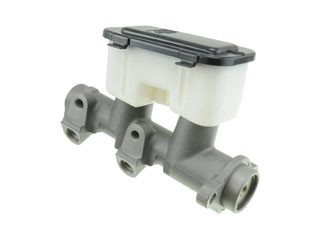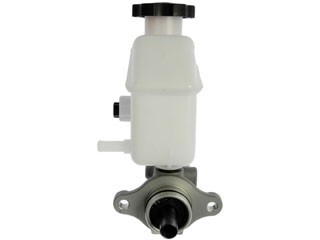
Dorman - First Stop Brake Master Cylinder P/N:M630794
Dorman M630571 brake master cylinder for the 2006-2011 Kia Rio and other vehicles turns pedal force into hydraulic pressure for the brakes. Its two outlets carry brake fluid from the cylinder to the brake lines.
A soft or sinking pedal, or brake fluid that keeps dropping in the reservoir, can mean the master cylinder is wearing out. Before you replace it, rule out a leak at a brake line or caliper, since a leak elsewhere in the system can feel much the same at the pedal.
This master cylinder fits the 2006-2011 Kia Rio and the 2006-2011 Kia RIO5.
Fit and size
Build and materials
One brake master cylinder with its reservoir and sensor. Mounting hardware is not included, so plan on new hardware rather than reusing the old. This listing is one master cylinder, and a single one is all either Kia needs.
Interchange: 072-9617 · 13-3519 · 11-3519 · 130.50029
14061 · 585101G110 · MC391025 · MC142409
This part cross-references / interchanges with the following part numbers:
Is this Kia Rio master cylinder the right one for the 2006-2011 Kia Rio?
Yes. Dorman M630571 fits the 2006-2011 Kia Rio and the 2006-2011 Kia RIO5.
Does this Dorman brake master cylinder come with a reservoir?
Yes. Dorman M630571 includes the reservoir and a sensor. Mounting hardware is not included, so plan on new hardware.
Is this Dorman master cylinder made of aluminum?
Yes. The master cylinder material is aluminum, and its rubber components are an EPDM compound that resists glycol-based brake fluid.
What can a sinking brake pedal mean for the master cylinder?
A pedal that sinks or feels soft, or fluid that drops in the reservoir, can be a sign of a worn master cylinder. A shop can test it to be sure.
What outlet size and bore does this master cylinder have?
It has two outlets with M10 x 1.0 threads at a 1 mm pitch, and a bore diameter of 0.875 inch.
No reviews yet — be the first to review this product.
Write a Review
WARNING: These products can expose you to chemicals including lead and phthalates, which are known to the State of California to cause cancer and birth defects or other reproductive harm. For more information go to www.P65Warnings.ca.gov.