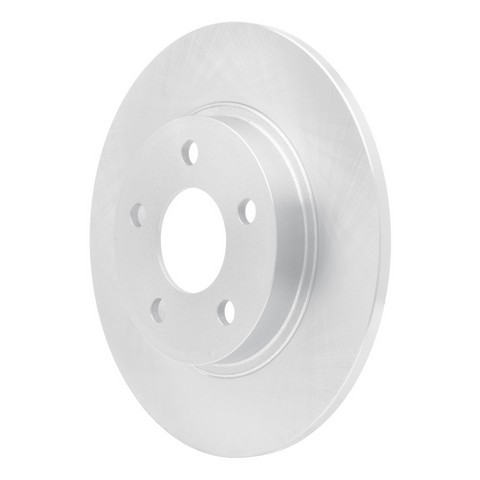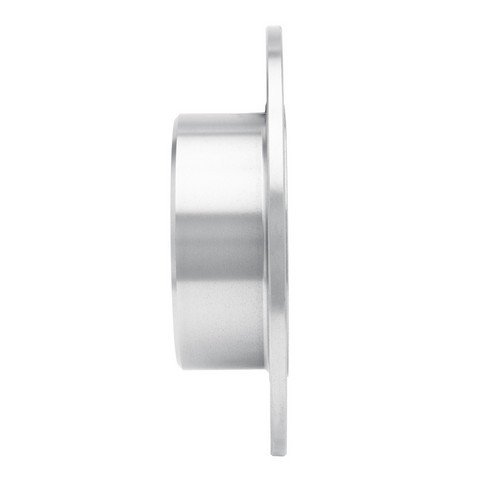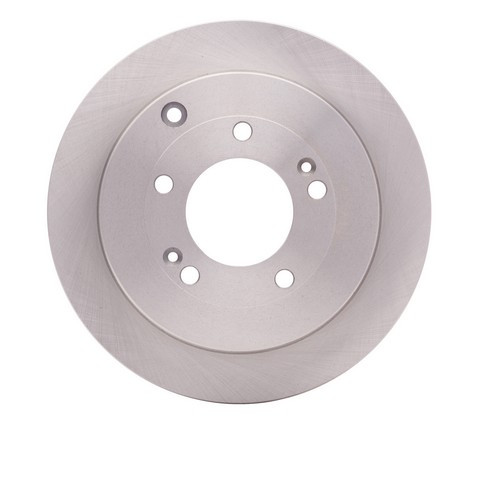
Dynamic Friction Company Disc Brake Rotor P/N:600-03022

Be the first to review this product
$38.99
MPN: 600-03022
UPC: 190920022807
Item Package Quantity: 1
Adding to cart… The item has been added

Have questions?

Dynamic Friction Company Disc Brake Rotor P/N:600-03022
$38.99

Keep your rear brakes stopping smoothly with the Dynamic Friction brake rotor 600-03022, a rear disc brake rotor built to keep pad contact flat and true. It drops in as a direct-fit replacement for the 2006-2009 Hyundai Azera and 2007-2009 Kia Amanti, designed to meet the same form, fit, and function as the OEM rotor with no modifications required.

  • Premium iron castings: cast from G3000/G11H18 iron for strength, stability, and durability.
  • Precision mill-balanced: 100% mill-balanced and CNC-machined to tight tolerances to help reduce vibration for smoother stops.
  • OE vane configuration: matches the original equipment vane configuration to promote proper heat dissipation.
  • Non-directional finish: promotes faster pad break-in and smoother stops.

Each rotor is quality tested and arrives new in the box, ready to install. Rear rotors wear as a matched pair, so replacing both sides together is recommended for even, balanced braking. This listing is for one rotor — order two for a complete rear-axle replacement.

Frequently Asked Questions

What vehicles does the DYNAMIC FRICTION brake rotor 600-03022 fit?

It's a direct-fit rear rotor for the 2006-2009 Hyundai Azera and 2007-2009 Kia Amanti. Check the Buyer's Guide tab to confirm fitment for your vehicle.

Is this a front or rear rotor?

It's a rear rotor for the listed applications.

What is this rotor made of?

It's cast from premium G3000/G11H18 iron castings, engineered for strength, stability, and durability.

Does this rotor have cooling vanes?

Yes. It uses the original equipment (OE) vane configuration to promote proper heat dissipation.

Do I need to replace both rear rotors at once?

This listing is for one rotor. Replacing both rear rotors as a matched pair is recommended for even, balanced braking, though not strictly required.