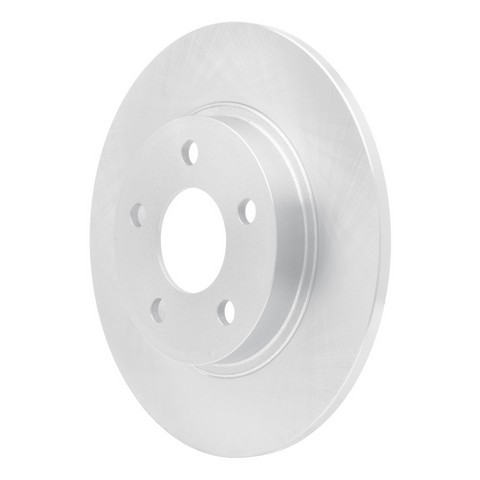
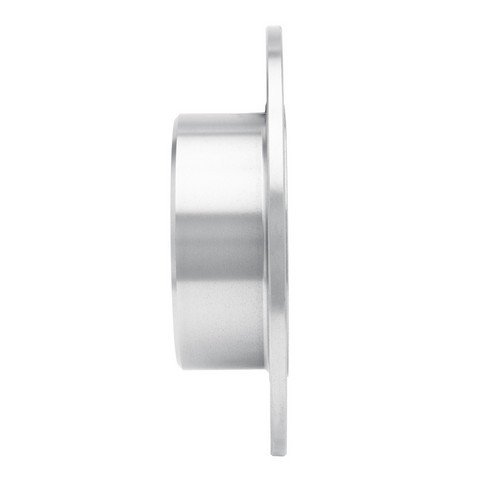
Rear Brake Rotor for 2006-2012 Mercedes-Benz R350 & More - Dynamic Friction 600-63129

Be the first to review this product
$63.99
MPN: 600-63129
UPC: 190920037573
Item Package Quantity: 1
Adding to cart… The item has been added

Have questions?

Dynamic Friction Company Disc Brake Rotor P/N:600-63129
$63.99

Help bring balanced, low-vibration braking back to your Mercedes-Benz with the DYNAMIC FRICTION brake rotor (P/N 600-63129), a rear-axle replacement. It fits many vehicles, among them the 2006-2012 Mercedes-Benz R350, 2006-2011 Mercedes-Benz ML350 and 2010-2011 Mercedes-Benz ML450. See the Buyer's Guide tab for the full list and engine-level fitment on your specific vehicle.

This rotor is designed to meet the same form, fit, and function as the OEM rear rotor, so it drops in with no modifications required.

  • Precision mill-balanced: balanced for smoother stopping and reduced vibration.
  • CNC-machined: cut to tight tolerances.
  • Premium iron castings: engineered with G3000/G11H18 iron castings for strength, stability, and durability.
  • Non-directional finish: promotes faster break-in and smoother stops.
  • OE vane configuration: the vented vane layout helps promote proper heat dissipation.

Quality tested for long-lasting performance. Sold individually — for even, balanced braking it's best to replace both rear rotors as a matched pair.

Frequently Asked Questions

Is this a front or rear disc brake rotor?

This is a rear-axle brake rotor for the listed Mercedes-Benz applications.

Which vehicles does the DYNAMIC FRICTION brake rotor 600-63129 fit?

It fits many vehicles, among them the 2006-2012 Mercedes-Benz R350, 2006-2011 Mercedes-Benz ML350 and 2010-2011 Mercedes-Benz ML450. See the Buyer's Guide tab for the full list and engine details.

What is this rotor made of?

It is engineered with premium G3000/G11H18 iron castings for strength, stability, and durability.

Do I need to replace both rear rotors at the same time?

This listing is for one rotor. For even, balanced braking it's best to replace both rear rotors together as a matched pair.

What are signs a rear rotor may need replacing?

Vibration or pulsation when braking, scoring or grooves on the braking surface, or thickness below the minimum spec are signs a rotor may need to be replaced.