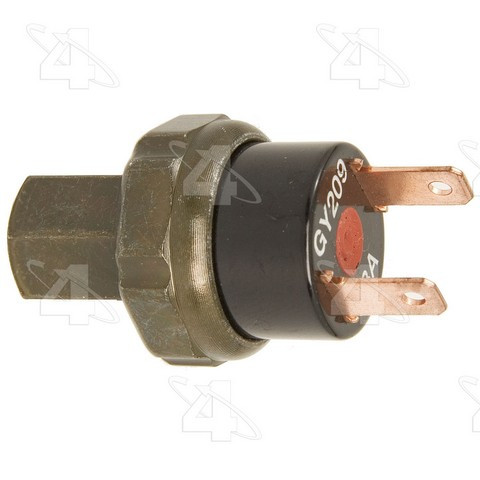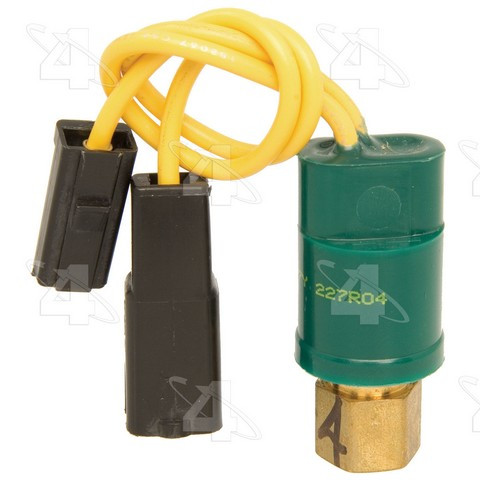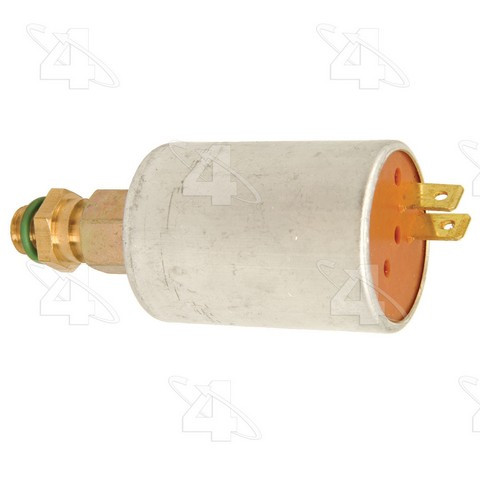
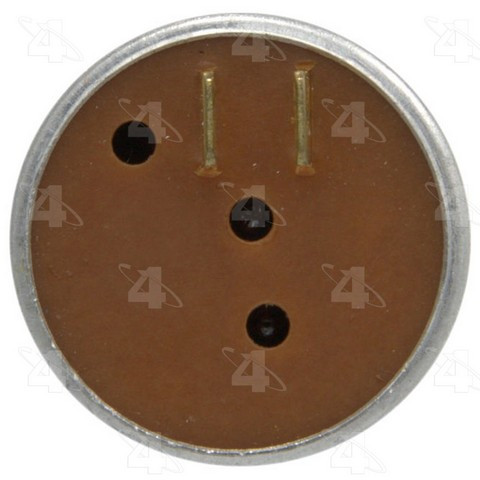
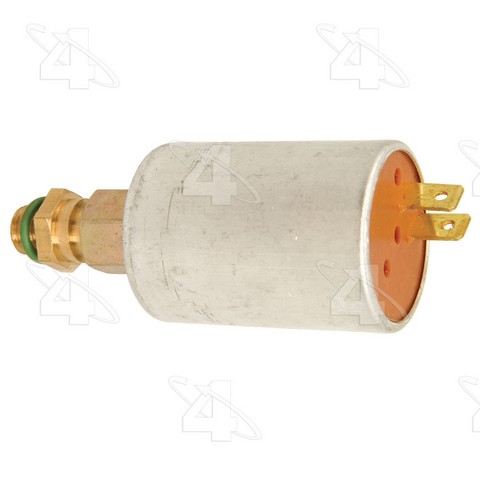
Four Seasons HVAC Pressure Switch P/N:37821
Help keep your truck's air conditioning working as designed with the Four Seasons switch 35898. This system-mounted binary pressure switch monitors refrigerant pressure and is designed to cut power to the compressor clutch when system pressure falls too low or climbs too high. It fits many heavy trucks, among them the 1989-1999 Kenworth T400, 1988-1992 Peterbilt 376 and 1988-1990 Kenworth C540, as a direct-fit replacement for the listed applications. See the Buyer's Guide tab for the full list.
Four Seasons engineers and tests its products for dependable operation. The brand backs them with more than 50 years of mobile A/C experience.
Signs this part may need replacing include an A/C compressor that won't engage, a compressor that cycles on and off rapidly, or warm air from the vents. Low refrigerant or wiring faults can cause the same signs, so diagnose the system before replacing anything. If a failed binary switch is the cause, this switch replaces it.
What does the Four Seasons 35898 pressure switch do?
It is a system-mounted binary pressure switch that senses refrigerant pressure. It is designed to open the compressor clutch circuit when pressure falls too low or rises too high.
Which trucks does this switch fit?
It fits many heavy trucks, including the 1989-1999 Kenworth T400, 1988-1992 Peterbilt 376 and 1988-1990 Kenworth C540. See the Buyer's Guide tab for the full list.
Does it come with seals?
Yes. Four Seasons states that it contains the gaskets, O-rings or seals needed to properly replace the product.
What are signs the pressure switch may need replacing?
Signs include an A/C compressor that won't engage, one that cycles on and off rapidly, or warm air from the vents. Low refrigerant can cause the same signs, so diagnose the system first.
How is the switch protected against corrosion?
The switch is zinc coated to resist corrosion. It is also color coded for easy identification.
WARNING: These products can expose you to chemicals including lead and phthalates, which are known to the State of California to cause cancer and birth defects or other reproductive harm. For more information go to www.P65Warnings.ca.gov.