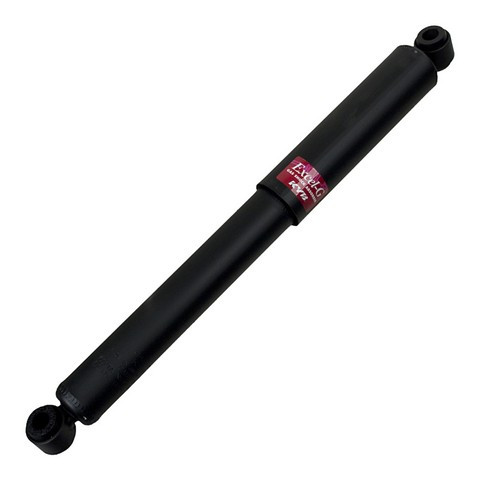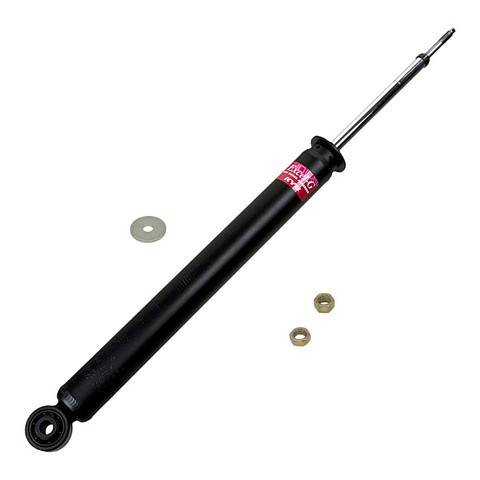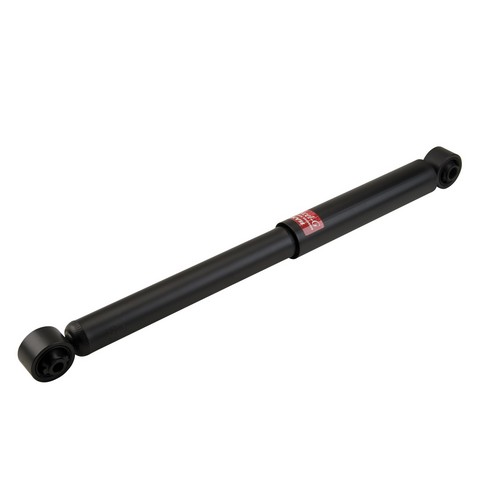
Restore the settled, controlled ride your rear suspension was built for with the KYB Excel-G Suspension Shock Absorber 343385, a direct-fit rear replacement for the 2001-2010 Chrysler PT Cruiser. KYB is a world-leading supplier of shocks and struts to new-vehicle manufacturers, and the Excel-G is built on the same OE assembly lines with the same OE-quality components — earning it the OEA (Original Equipment for the Aftermarket) classification. Rather than change the ride, it is calibrated to help restore the PT Cruiser's original, designed control and handling.
- Nitrogen gas-charged, twin-tube design that includes the same quality components found in KYB's global OEM products.
- Vehicle-specific, hand-assembled damping valves designed to correctly manage tire contact, steering response and body movement.
- Triple-lip fluid seal to reduce the chance of oil and gas leaking out.
- KYB-recommended OEM replacement shock that helps keep electronic safety systems performing as designed, since those systems depend on the suspension, brakes and tires working as intended.
Signs a rear shock may need replacing include excessive bounce over bumps, nose dive, body sway in corners, or uneven tire wear.
Interchange: 4656439AB · 4656439AE · 4656439AF · 4656439AG · 4656439AH · 4656612AB · 4656612AE · 4656612AG · 4656678AB · 4656678AE · 5272982AC · 5272982AE · 69473 · 5989
This part cross-references / interchanges with the following part numbers:
Frequently Asked Questions
What vehicle does the KYB 343385 shock fit?
It is a direct-fit rear replacement for the 2001-2010 Chrysler PT Cruiser. Check the Buyer's Guide tab to confirm the fit for your specific vehicle.
Is this a front or rear shock?
This KYB Excel-G 343385 is a rear-position suspension shock absorber for the listed applications.
What type of shock is the KYB Excel-G?
It is a nitrogen gas-charged, twin-tube design that uses the same OE-quality components found in KYB's global OEM products, calibrated to restore the vehicle's original designed performance.
How do I know my shocks need replacing?
Common signs include excessive bounce over bumps, nose dive under braking, body sway in corners, or uneven tire wear. Have the suspension diagnosed to confirm the cause before replacing.
Should I replace shocks in pairs?
Replacing the shocks on the same axle together as a matched pair is recommended for balanced, even ride control. This listing is for one shock.