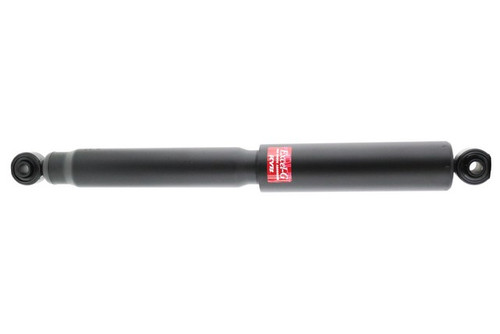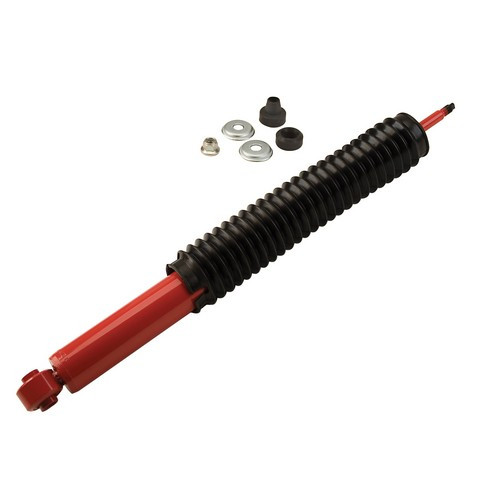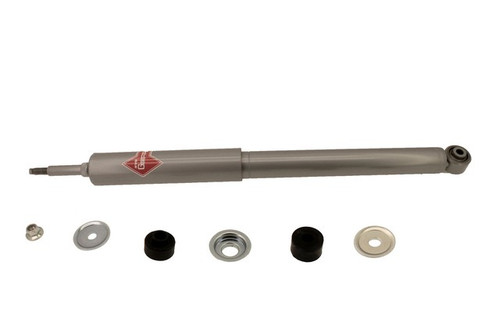
KYB Suspension Shock Absorber P/N:554367
The KYB shock absorber 344052 is a nitrogen gas-charged rear Excel-G unit that helps restore your vehicle's designed ride control, stability and handling. It fits many vehicles as a direct-fit replacement for the listed applications, among them the 1972-1982 Ford Courier, 1979-1984 Mazda B2000 and 1982-1984 Mazda B2200. See the Buyer's Guide tab for the full list and engine details.
As a KYB Excel-G shock absorber, it is calibrated to bring back original damping performance rather than change it. It comes off the same KYB OE assembly lines that supply new-vehicle manufacturers and uses the same OE-quality components, which earned it the OEA (Original Equipment for the Aftermarket) classification.
This KYB gas shock absorber mounts at the rear and damps spring and body movement to help keep the tires in contact with the road. Signs a rear shock may need replacing include excessive bouncing after bumps, sway or squat at the rear, fluid leaking from the shock body and uneven tire wear. Replacing both rear shocks together is recommended for balanced handling.
Interchange: 61502 · 31125
This part cross-references / interchanges with the following part numbers:
What does the KYB 344052 shock absorber do?
It is a nitrogen gas-charged, twin-tube rear shock that damps spring and body movement. It helps manage tire contact, steering response and handling as the vehicle was designed.
Which vehicles does the KYB 344052 fit?
It fits many vehicles, among them the 1972-1982 Ford Courier, 1979-1984 Mazda B2000 and 1982-1984 Mazda B2200. See the Buyer's Guide tab for the full list.
What does the Excel-G OEA classification mean?
KYB builds the Excel-G on the same OE assembly lines, with the same OE-quality components it supplies to new-vehicle makers. That earned it the OEA (Original Equipment for the Aftermarket) classification.
How is the shock designed to resist leaks?
It uses a triple lip fluid seal designed to reduce the chance of oil and gas leaking out of the shock.
What are signs a rear shock may need replacing?
Common signs include excessive bouncing after bumps, sway or squat at the rear, fluid leaking from the shock body and uneven tire wear. Diagnose the cause first; replacing both rear shocks together is recommended.
WARNING: These products can expose you to chemicals including lead and phthalates, which are known to the State of California to cause cancer and birth defects or other reproductive harm. For more information go to www.P65Warnings.ca.gov.