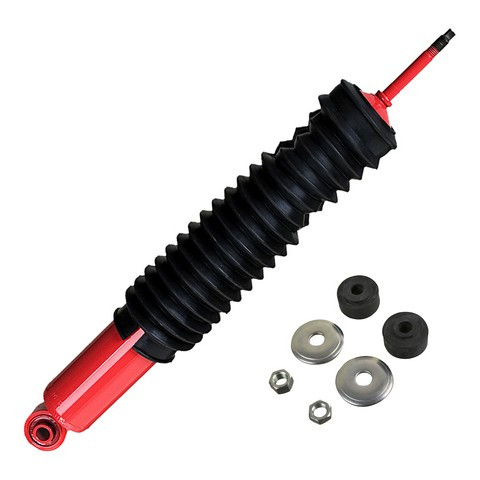
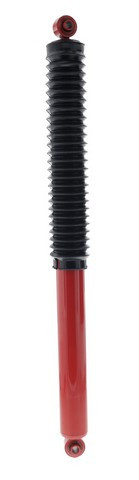
Restore the designed ride control and handling of your Mustang with the KYB Excel-G Suspension Shock Absorber 349026. This nitrogen gas-charged, twin-tube shock is a rear-position direct-fit replacement for the 2005-2014 Ford Mustang, calibrated on KYB's OE assembly lines to restore original performance rather than change it — earning the Excel-G its OEA (Original Equipment for the Aftermarket) classification.
- Nitrogen gas-charged twin-tube design: built with the same OE-quality components KYB supplies to new-vehicle manufacturers.
- Triple-lip fluid seal: designed to reduce the chance of oil and gas leaking out.
- Vehicle-specific damping valves: hand-assembled in-house to help manage tire contact, steering response, and body movement.
- Supports electronic safety systems: helps keep the suspension working as the vehicle manufacturer intended so ESS can perform as designed.
Signs a shock may need replacing include excessive bouncing, nose-diving under braking, uneven or cupped tire wear, and reduced stability during lane changes. Replacing worn units in pairs is recommended for balanced ride control.
Interchange: 4R3Z18125AA · 4R3Z18125BA · BR3Z18125A · 69592 · 5783
This part cross-references / interchanges with the following part numbers:
Frequently Asked Questions
What vehicles does the KYB 349026 shock fit?
It is a rear-position direct-fit replacement for the 2005-2014 Ford Mustang. See the Buyer's Guide tab to confirm the exact fit for your vehicle.
What type of shock is the KYB Excel-G 349026?
It is a nitrogen gas-charged, twin-tube shock absorber built with OE-quality components and calibrated to restore the vehicle's original designed performance.
Is this a front or rear shock?
This is a rear shock absorber for the listed Ford Mustang applications.
Should I replace shocks in pairs?
Replacing the rear shocks as a matched pair is recommended for balanced, even ride control. Each listing is sold individually.
What are signs my shocks need replacing?
Excessive bouncing, nose-diving under braking, uneven or cupped tire wear, and reduced stability during lane changes can signal worn shocks. Have the cause diagnosed before replacing.