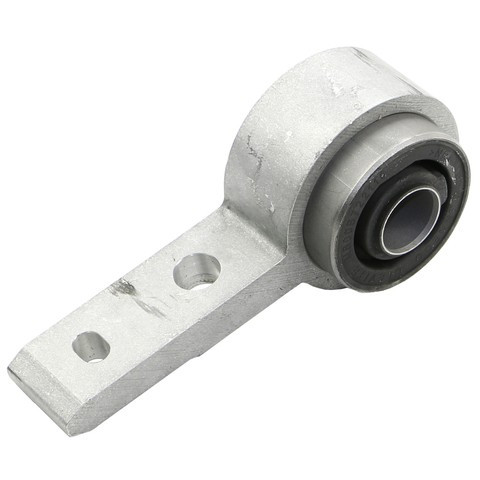
Keep the lower control arm cushioned and properly located with the MOOG Chassis Control Arm Bushing K201358, a front lower rearward bushing built for quiet operation and resistance to wear. It fits many vehicles, among them the 2007-2012 Hyundai Elantra, 2006-2010 Hyundai Sonata and 2006-2010 Kia Optima, as a direct-fit replacement for the listed applications. See the Buyer's Guide tab for the full list and engine details.
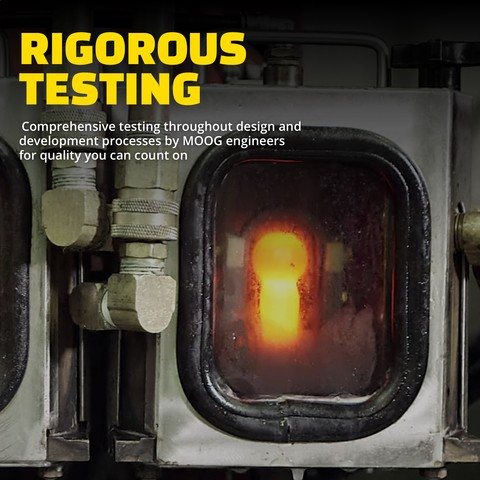
MOOG backs its control arm bushings with quality materials and rigorous testing for dependable performance. Its problem-solving design is intended to make installation quick and straightforward.
- Precise engineering: optimized for quiet operation and to resist wear, salt, road grime and oils.
- Premium materials: made from high-quality elastomer compounds for durability and ride performance.
- OE-style design: engineered to match or exceed OE requirements.
- Rigorous testing: MOOG engineers test it thoroughly throughout the design and development process.
A suspension control arm bushing cushions the joint between the control arm and the chassis. It lets the arm pivot with the suspension while damping road vibration. Signs this part may need replacing include clunking over bumps, loose or wandering steering, uneven tire wear, or a bushing that is visibly cracked or torn.
Interchange: 533-760
533760 · TD899W · TD940W · TD957W · BC60109PR · 09SB074 · 54512H000 · 545512 · 545512H000 · 546000 · BC60059 · MS90454 · 2673883
This part cross-references / interchanges with the following part numbers:
TD899W, TD940W, TD957W, 533-760, BC60109PR, 09SB074, 54512H000, 545512, 545512H000, 546000, BC60059, K201358, MS90454, 2673883