


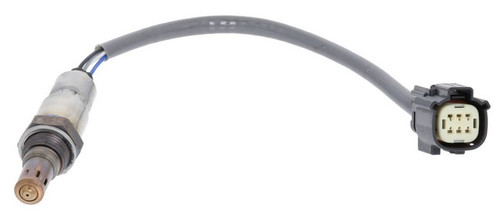


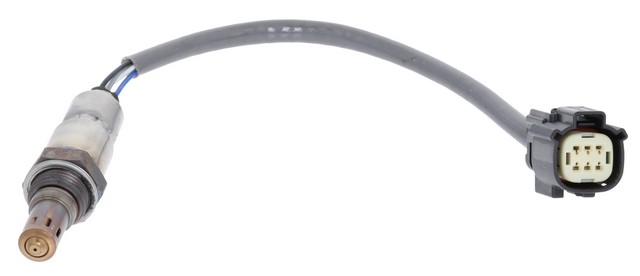
NGK O2 SENSORS 27014 sensor for the 2016-2019 Ford Explorer 3.5L and other vehicles is a 5-wire wideband A/F sensor that sends the ECU a linear signal showing exactly how rich or lean the engine runs.
A check engine light, poor fuel economy or a rough idle can mean this sensor is worn, though an exhaust leak or damaged wiring can produce similar symptoms, so find the cause before you replace the sensor.
Ford and Lincoln vehicles that take this sensor include the 2015-2017 Ford Mustang 3.7L and the 2015-2018 Ford Edge 3.5L. If your car is not named here, enter its year, make and model in the "Vehicles it fits" section.
Fit and size
Build and materials
One sensor with an OE-specified, water-resistant connector and harness accessory hardware for easy installation. A mounting bracket is not included.
Does this Edge sensor fit the 2015-2018 Ford Edge 3.5L?
Yes, NGK O2 SENSORS 27014 fits the 2015-2018 Ford Edge 3.5L (V6-3.5L); for any other vehicle, enter its year, make and model in the "Vehicles it fits" section.
Is this Mustang sensor right for the 2015-2017 Ford Mustang 3.7L?
Yes. NGK O2 SENSORS 27014 fits the 2015-2017 Ford Mustang 3.7L (V6-3.7L).
What thread size and hex size does the NGK O2 SENSORS 27014 have?
It has an M18 - 1.5 metric thread with a 7.00 mm (0.38 in) thread length and a 7/8" (22 mm) hex.
Does this 5-wire A/F sensor come with a connector or a mounting bracket?
It comes with an OE-specified, water-resistant connector and harness accessory hardware. A mounting bracket is not included.
Is this sensor a wideband type or a standard switching oxygen sensor?
This 5-wire sensor is a wideband air-fuel ratio type. A switching sensor only reads rich or lean; this one gives a linear signal that shows the ECU exactly how rich or lean the engine is running.
No reviews yet — be the first to review this product.
Write a Review


WARNING: These products can expose you to chemicals including lead and phthalates, which are known to the State of California to cause cancer and birth defects or other reproductive harm. For more information go to www.P65Warnings.ca.gov.
