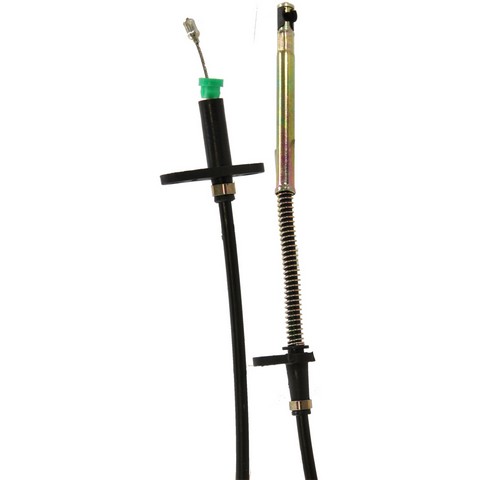
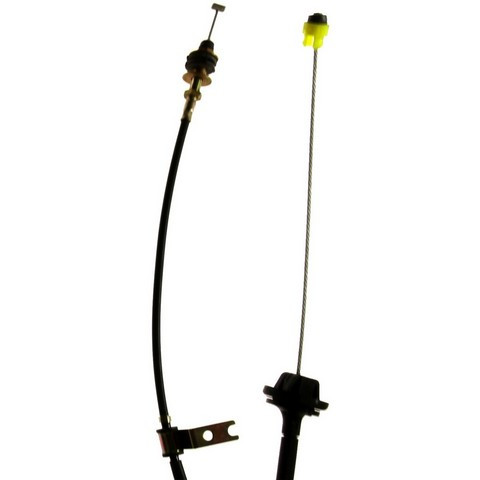
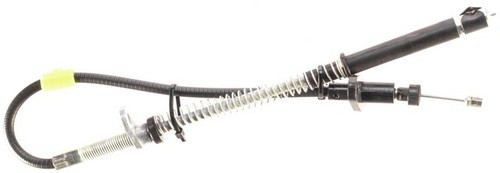
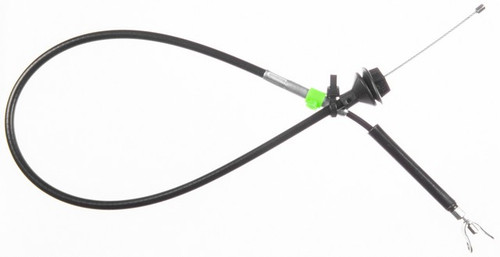
Connect your accelerator pedal to the carburetor with the Pioneer Automotive Industries Carburetor Accelerator Cable CA-8448, a replacement cable designed to carry each press of the pedal to the throttle. It is listed for the 1978-1983 Ford Fairmont, 1978-1983 Mercury Zephyr, 1979-1982 Ford Mustang, 1979-1982 Mercury Capri, 1980-1982 Ford Thunderbird, 1980-1982 Mercury Cougar, 1981-1982 Ford Granada, 1983 Ford LTD and 1983 Mercury Marquis. See the Buyer's Guide tab for engine details.
- Built to OE specs: Pioneer manufactures this cable to OE specifications as a high-quality replacement alternative.
- Steel inner cable: A durable steel inner cable transmits pedal movement to the carburetor throttle.
- Polymer outer housing: The polymer housing shields the inner cable from corrosion and abrasion.
- Fitting hardware: Pioneer cables often include common brackets, grommets and ends, where applicable.
An accelerator cable works every time you press or release the pedal. Signs it may need replacing include a stiff or sticking pedal, a throttle that is slow to return, or a frayed or kinked cable. If a worn cable is the cause, CA-8448 is designed to replace it. Inspect the throttle linkage and return springs at the same time, and route the new cable as directed by the vehicle service information.
Interchange: 61307 · CE100 · 4134 · D8BZ9A758C · E0BZ9A758B · 6101345 · CB61
This part cross-references / interchanges with the following part numbers:
61307, CE100, 4134, D8BZ9A758C, E0BZ9A758B, 6101345, CB61