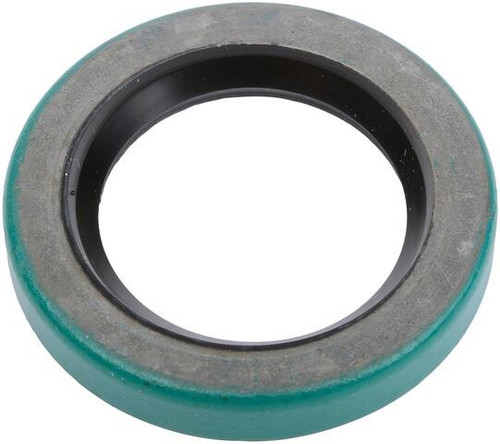
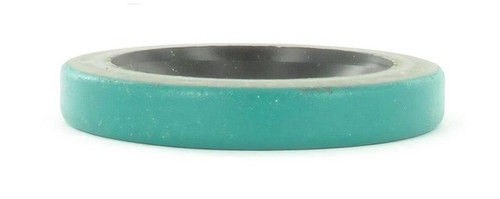
Help keep lubricant in and road grit out with the SKF Manual Transmission Input Shaft Seal / Differential Pinion Seal 11111. It is a direct-fit replacement for many vehicles, among them the 1980-1990 Ford F-150 and 1979-1982 Ford Mustang. See the Buyer's Guide tab for the full list of Ford, Mercury and Plymouth vehicles and engine details.
This seal is cataloged as both a manual transmission input shaft seal and a differential pinion seal. It is listed for front and rear positions, depending on the application. The seal body stays stationary while its sealing lip contacts the rotating component, helping retain lubricant and block contaminants.
- Tested for correct fit: SKF builds it with a high-quality, tested design and materials intended to fit correctly.
- Rigid metal case: the body is formed from deep drawn sheet steel, giving it a rigid, stress-resistant case.
- Cold drawn steel garter spring: the garter spring uses cold drawn steel wire to support fluid retention.
- Contamination protection: designed to guard against dirt and water.
SKF invented the first integrated shaft seal in 1928 and has continued to develop new seal designs and bonding techniques. Each SKF seal is built to a specific design using premium materials selected for its application and operating environment.
Signs this seal may need replacing: lubricant seeping or dripping around the input shaft or pinion area, or a falling fluid level. Diagnose the source of the leak before replacing the seal, because nearby seals and gaskets can produce similar symptoms.
Interchange: CHR 11111
CHR11111 · 3638 · 4132257100 · 975911111 · D8UZ7A283B · E3FZ7A011A · AC1598E · AD1598F0 · M42128 · 145811111 · 481652N · 982975R91 · 6836137 · 48012
This part cross-references / interchanges with the following part numbers:
3638, 4132257100, 975911111, D8UZ7A283B, E3FZ7A011A, CHR 11111, AC1598E, AD1598F0, M42128, 145811111, 481652N, 982975R91, 6836137, 48012