
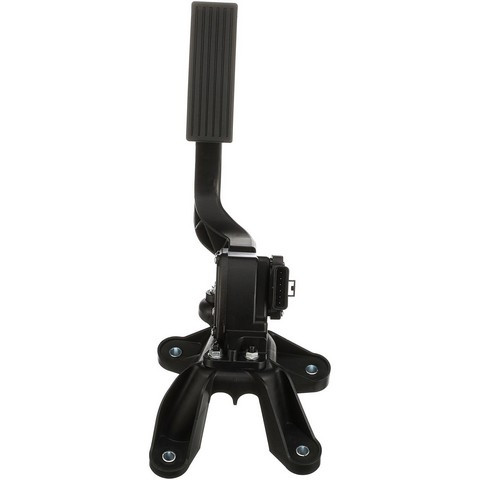


Standard Ignition Accelerator Pedal Sensor P/N:APS620
Standard Ignition APS178 accelerator pedal sensor for the 2004-2009 Hyundai Sonata reads how far the pedal is pressed and sends that signal to the engine controls.
A worn or failing accelerator pedal sensor can show up as uneven throttle response, reduced engine power or a warning light. These signs alone do not prove the sensor is at fault; a dirty throttle body, for one, can produce similar trouble.
This sensor is a direct-fit replacement for the 2004-2009 Hyundai Sonata and is tested to match OE standards for signal accuracy.
Fit and size
Build and materials
One accelerator pedal sensor supplied as a complete pedal assembly with its mounting bracket; the linkage is not attached. Hardware is not included, so plan on new bolts. This listing is one sensor, and the 2004-2009 Hyundai Sonata takes one.
Is the Standard Ignition APS178 the right accelerator pedal sensor for the 2004-2009 Hyundai Sonata?
Yes. Standard Ignition APS178 is a direct-fit replacement for the 2004-2009 Hyundai Sonata, and each vehicle takes one.
Does this accelerator pedal sensor come with mounting bolts?
No. It comes as a complete pedal assembly with its mounting bracket, but hardware is not included and the linkage is not attached.
What kind of connector does the Standard Ignition APS178 accelerator pedal sensor have?
Standard Ignition APS178 has a rectangular, female plug-in connector with 6 male blade terminals, one connector in total.
Which signs can go with a worn accelerator pedal sensor like the APS178?
Uneven throttle response, reduced engine power or a warning light can be signs of a worn sensor. A shop can test the pedal signal with the right tools.
How does this accelerator pedal sensor mount in the car?
This accelerator pedal sensor is a floor-mounted pedal with a bolt-on attachment, and its mounting bracket is included. Bolts are not part of this listing, so have new ones ready.
No reviews yet — be the first to review this product.
Write a Review
WARNING: These products can expose you to chemicals including lead and phthalates, which are known to the State of California to cause cancer and birth defects or other reproductive harm. For more information go to www.P65Warnings.ca.gov.