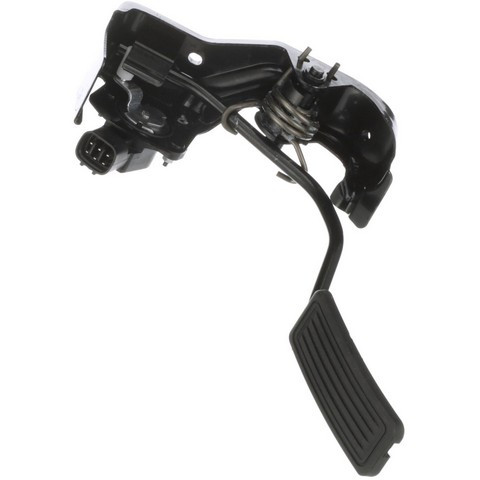
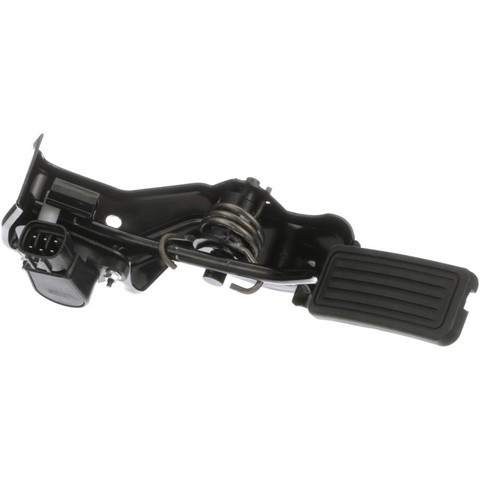
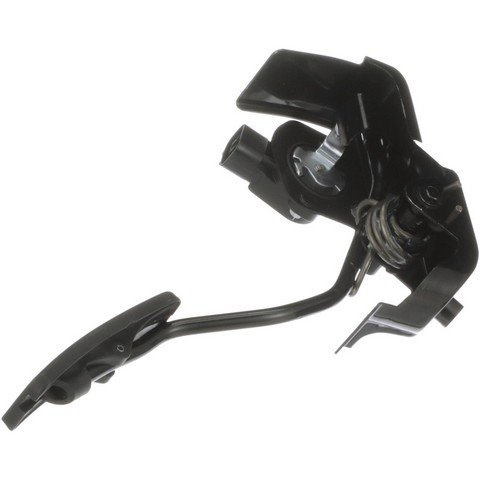
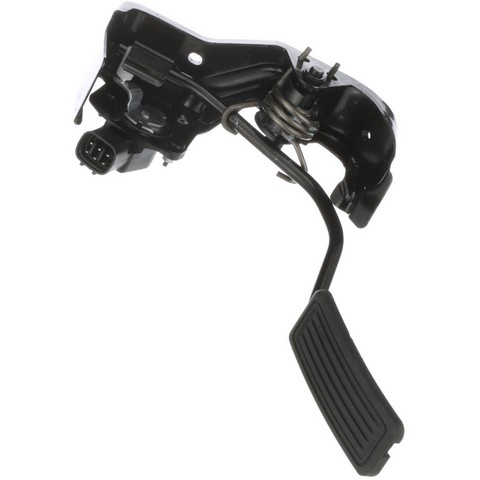
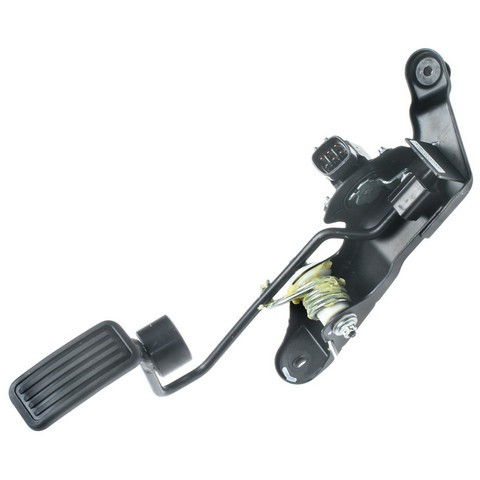
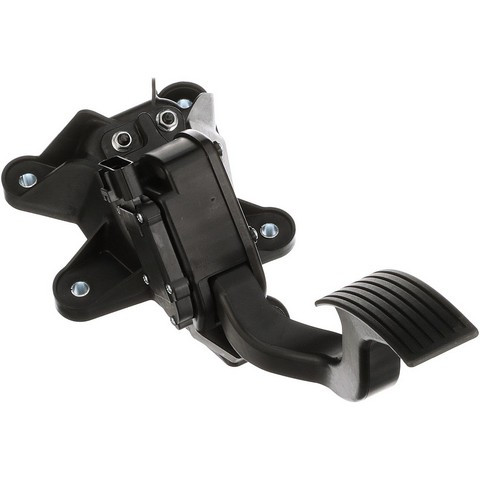
Standard Ignition APS215 accelerator pedal sensor for the 2004-2007 Toyota Corolla and other vehicles reads how far the pedal is pressed. It is made to integrate with the electronic throttle control system used on Pontiac and Toyota vehicles.
- Sends pedal position data to the ECU for precise throttle control across all driving conditions
- Complete pedal assembly with mounting bracket included
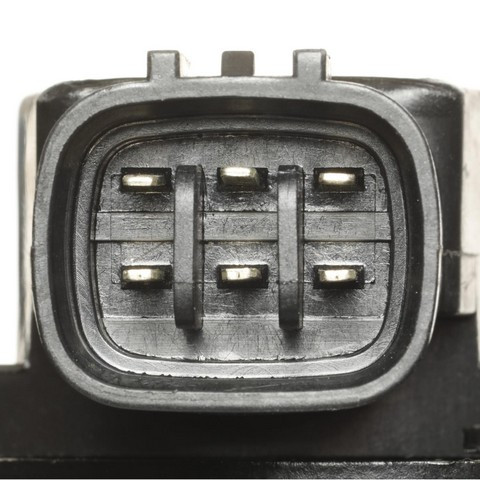
- Rectangular plug-in female connector with six male blade terminals
- Polyamide 6 construction
Quick facts
- Part: Standard Ignition APS215 accelerator pedal sensor
- Fits: 2004-2007 Toyota Corolla and other vehicles
- Material: Polyamide 6
- Condition: New
A worn or failing accelerator pedal sensor can show up as hesitation when you press the pedal, uneven throttle response or a warning light. Before you replace it, rule out a damaged connector or wiring and any fault elsewhere in the throttle system. A shop can scan for stored codes to tell them apart.
Fits
This sensor fits the 2004-2007 Toyota Corolla, the 2005-2008 Pontiac Vibe and the 2004-2007 Toyota Matrix.
Specifications
Fit and size
- Quantity per vehicle: 1
- Mounting location: floor mounted
- Attachment method: bolt on
- Connector: rectangular, plug-in, female, quantity 1
- Terminals: 6, male blade
Build and materials
- Contents: complete pedal assembly with mounting bracket
- Material: Polyamide 6
- Condition: New
- Country of origin: China
In the box
Mounting hardware is not included, so plan on new bolts, and the linkage is not attached. This listing holds one pedal assembly, and the vehicle takes one.
Frequently Asked Questions
Is the APS215 the accelerator pedal sensor for the 2004-2007 Toyota Corolla?
Yes. Standard Ignition APS215 fits the 2004-2007 Toyota Corolla, along with other vehicles named on this page.
Does the Standard Ignition APS215 come with the pedal and a bracket?
Yes. Standard Ignition APS215 is a complete pedal assembly and includes a mounting bracket. Mounting hardware is not included, and the linkage is not attached.
How many terminals are in the APS215 connector?
The rectangular plug-in connector is female and has six male blade terminals. One connector is on the part.
How is this pedal assembly mounted?
It is floor mounted and attaches with a bolt-on method, as listed for Standard Ignition APS215.
My car hesitates when I press the gas. Could the pedal sensor be behind it?
It can be, since the sensor reports pedal position to the ECU. Hesitation can also come from other parts, so a shop can read stored codes to narrow it down.