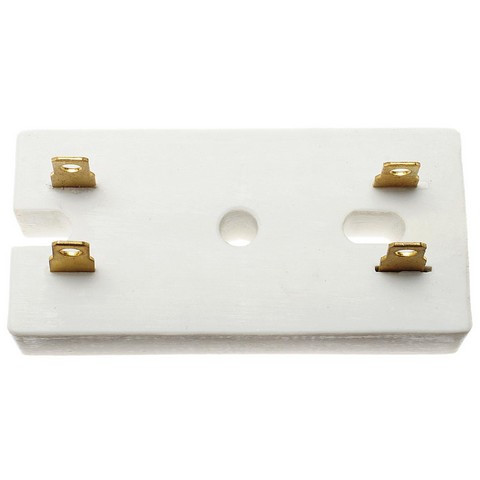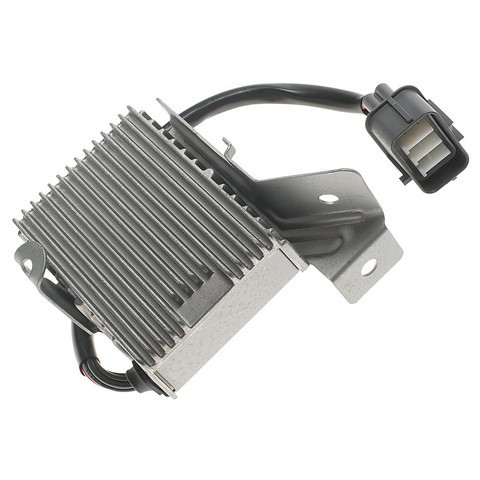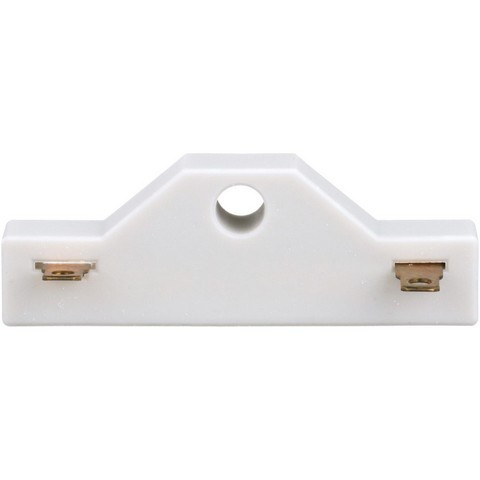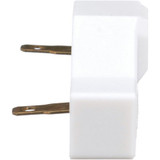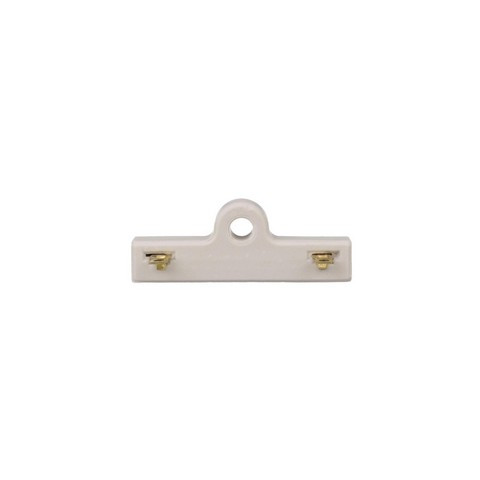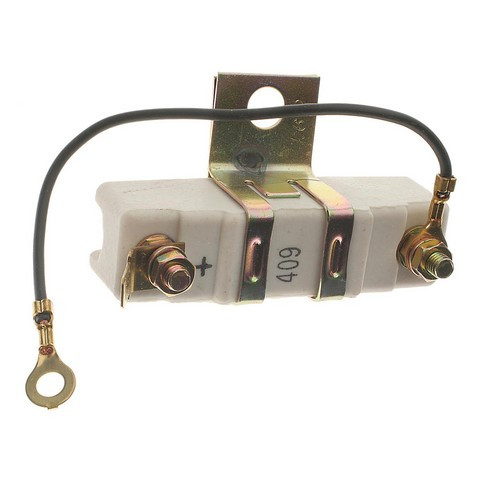
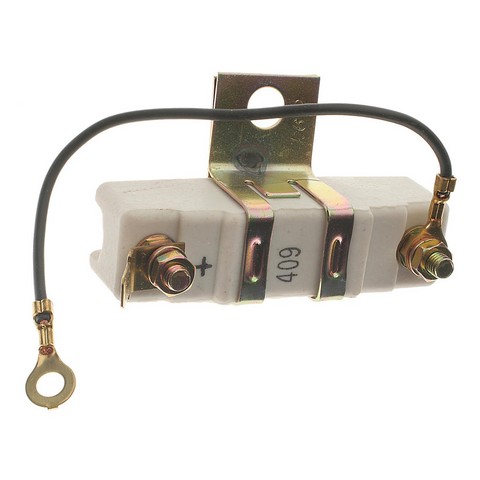
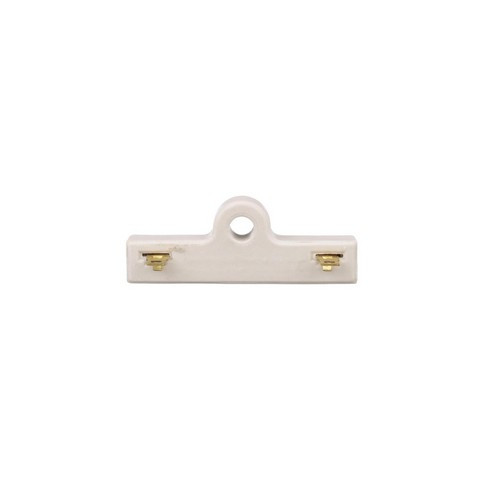
Standard Ignition Ballast Resistor P/N:RU-13

Be the first to review this product
$21.99
MPN: RU-13
Item Package Quantity: 1
Adding to cart… The item has been added

Have questions?

Standard Ignition Ballast Resistor P/N:RU-13
$21.99

Keep your ignition coil supplied with the current it was designed for with the Standard Ignition Ballast Resistor RU-13, an ignition coil resistor for classic Nissan, Honda, Ford, Mazda, Chevrolet and Subaru applications. It is a direct-fit replacement for the listed applications and fits many vehicles, among them the 1974-1979 Honda Civic, 1976-1978 Honda Accord and 1991-1993 Ford Festiva. See the Buyer's Guide tab for the full list and engine details.

A ballast resistor sits in the ignition coil's primary circuit and limits the current and voltage reaching the coil while the engine runs. If a failed resistor is the cause of a no-spark or start-then-stall condition, the RU-13 replaces it.

  • Molded ceramic body: A heavy molded ceramic body is designed to dissipate heat.
  • Nichrome wire winding: The winding is made from nichrome wire for durability and extended life.
  • Controlled manufacturing: Standard is a global maker of original equipment ignition products and keeps quality control in-house, from individual components to the finished part.
  • Aftermarket heritage: Standard has supplied the automotive aftermarket since 1919 and offers broad ignition coverage.

Frequently Asked Questions

What does a ballast resistor do?

It sits in the ignition coil's primary circuit and limits the current and voltage reaching the coil while the engine runs. This helps protect the coil on ignition systems designed to use one.

What are signs the ballast resistor may need replacing?

Common signs are an engine that fires while cranking but stalls when the key returns to run, or no spark at all. These symptoms can have other causes, so diagnose the ignition circuit before replacing parts.

How is the RU-13 constructed?

Standard specifies a heavy molded ceramic body designed for heat dissipation and a nichrome wire winding for durability and extended life.

Is it normal for a ballast resistor to get hot?

Yes. A ballast resistor turns excess electrical energy into heat as it works, which is why the RU-13 uses a ceramic body designed to dissipate that heat.

Which engines does the RU-13 fit?

Engine details for each listed application are in the Buyer's Guide tab.