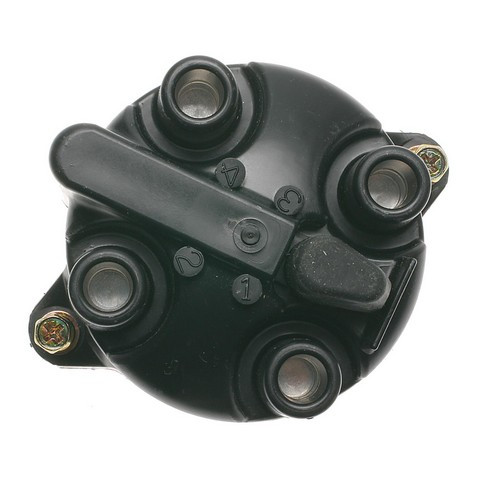
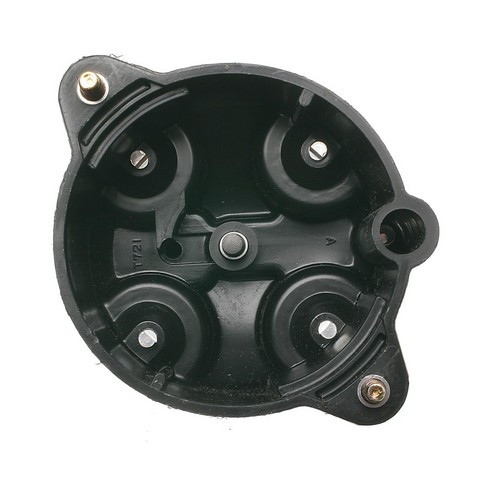
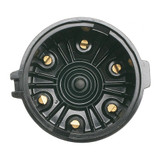
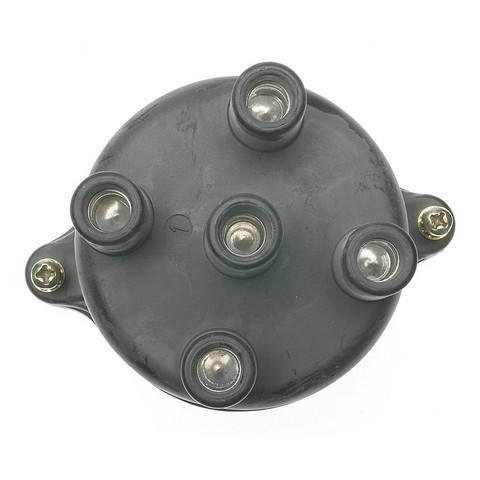
Keep the spark going where it belongs with the Standard Ignition Distributor Cap JH-230. It fits the 1996 Eagle Summit, routing the high-voltage from the ignition coil and rotor out to each spark plug wire so the engine can fire in the correct sequence. A worn or cracked cap is a common ignition wear item, so replacing it is a routine part of tune-up and no-start diagnosis.
Direct-fit replacement: a distributor cap for the listed 1996 Eagle Summit application.
Distributes ignition voltage: carries current from the coil through the rotor to the individual plug terminals.
Wide interchange coverage: crosses to several common OE and aftermarket numbers for easy matching.
Signs the cap may need replacing include misfires, rough running, hard starting, or stalling, often traced to cracks, carbon tracking, or corroded terminals inside a worn cap. Because these symptoms can have other causes, diagnose the ignition system before replacing; if a failed cap is the cause, this part replaces it.
Interchange: C979 · MD616179 · MD619179 · JH930 · EP352 · 88921880 Manufacturer part number JH-230
This part cross-references / interchanges with the following part numbers:
C979, MD616179, MD619179, JH930, EP352, 88921880
Frequently Asked Questions
What vehicle does the JH-230 distributor cap fit?
It is a direct-fit replacement for the 1996 Eagle Summit. Check the Buyer's Guide tab and confirm fitment for your specific vehicle before ordering.
What does a distributor cap do?
It carries high-voltage current from the ignition coil, through the rotor, out to each spark plug wire terminal so the cylinders fire in the correct sequence.
What are signs my distributor cap may need replacing?
Misfires, rough running, hard starting, or stalling can point to cracks, carbon tracking, or corroded terminals. Diagnose the ignition system first, since other parts can cause these symptoms.
Which part numbers does the JH-230 interchange with?
It cross-references to C979, MD616179, MD619179, JH930, EP352, and 88921880. Matching any of these helps confirm the correct replacement.
Should I replace the rotor and wires too?
Many technicians inspect the rotor, spark plug wires, and plugs during the same service, but replace them only as directed by the vehicle service procedure and their condition.
Distributor CapAs a global manufacturer of original equipment ignition products, we maintain complete quality control throughout the manufacturing process from componentry to finished...
Distributor CapAs a global manufacturer of original equipment ignition products, we maintain complete quality control throughout the manufacturing process from componentry to finished...
WARNING:
These products can expose you to chemicals including lead and phthalates, which are known to the State of California to cause cancer and birth defects or other reproductive harm. For more information go to
www.P65Warnings.ca.gov.