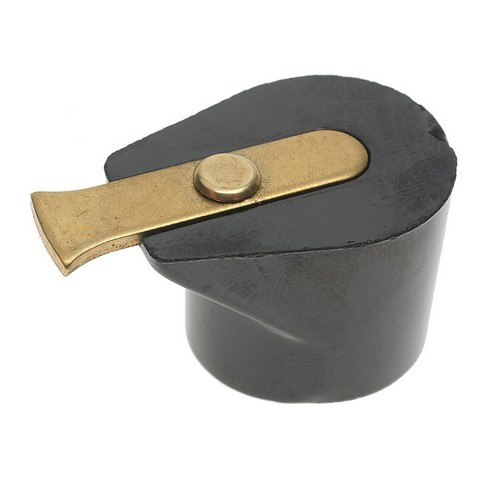
Standard Ignition Distributor Rotor P/N:LU-324
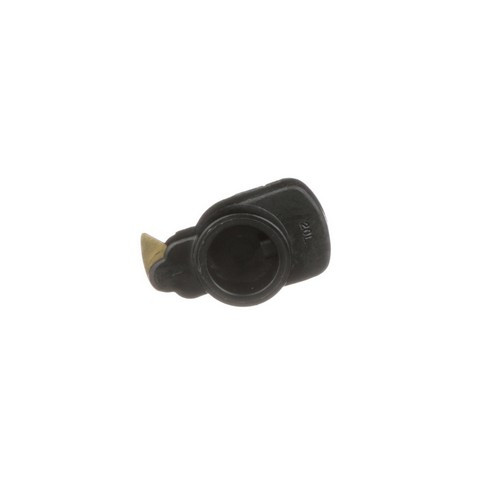
Keep spark routing cleanly from the coil to each cylinder with the Standard Ignition Distributor Rotor LU-302. It installs as a push-on, direct-fit replacement across a wide range of classic British and European applications — including the 1955-1960 AC ACE [L6-2.0L], 1959-1967 AUSTIN HEALEY 3000 [L6-2.9L], 1960-1968 JAGUAR MARK 2 [L6-3.8L], 1965 FORD GT40 [V8-4.7L], and 1968-1976 TRIUMPH TR6 — with 92 applications in all. See the Buyer's Guide tab for the full list.
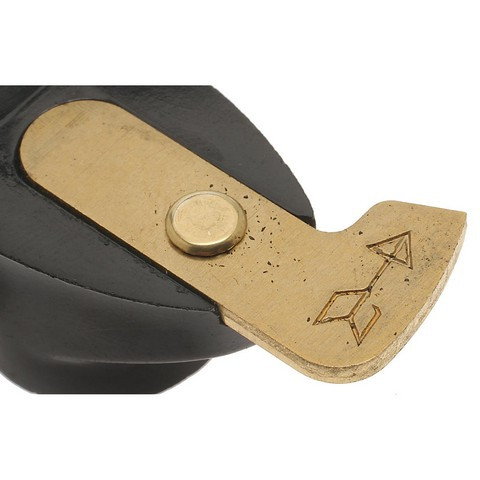
The rotor tip and brass segment transfer voltage as the shaft turns; a cracked body, carbon tracking, or a worn/corroded contact can cause misfire or rough running. If a failed rotor is the cause of your ignition trouble, this replaces it. Distributor cap and screws are not included, and mounting hardware is not included. Country of origin: United Kingdom.
Interchange: D546 · LU905 · EP44 · 1972841 · GRA102 · Manufacturer part number LU-302 (also LU302).
This part cross-references / interchanges with the following part numbers:
What is included with the LU-302?
One distributor rotor. The distributor cap and screws are not included, and no mounting hardware is included.
How does this rotor mount?
It is a push-on rotor, and shaft retention clips are used where required for the best fit and performance.
What is the rotor made of?
The rotor body is phenolic with a high dielectric-strength alkyd that resists dirt sticking to reduce carbon tracking, and the contact segment is solid brass for better conductivity.
How many rotors do I need for my car?
Quantity varies by application — some listed vehicles use two rotors and others use one. This listing is for a single rotor; check the Buyer's Guide for your vehicle.
What are the signs a distributor rotor may need replacing?
Cracks in the body, carbon tracking, or a worn or corroded contact tip can lead to misfire or rough running. Diagnose the cause before replacing.
WARNING: These products can expose you to chemicals including lead and phthalates, which are known to the State of California to cause cancer and birth defects or other reproductive harm. For more information go to www.P65Warnings.ca.gov.