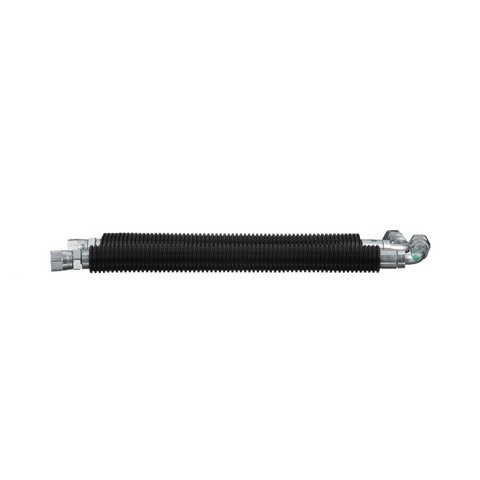
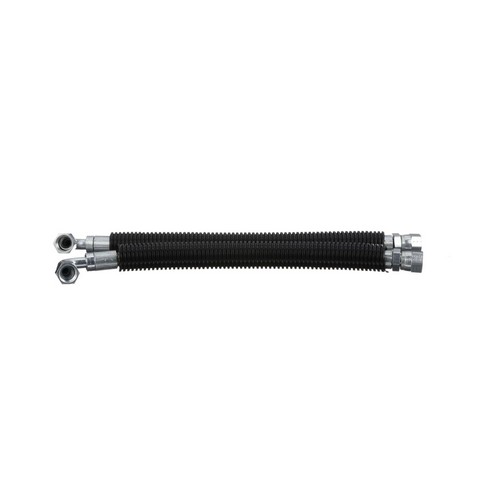
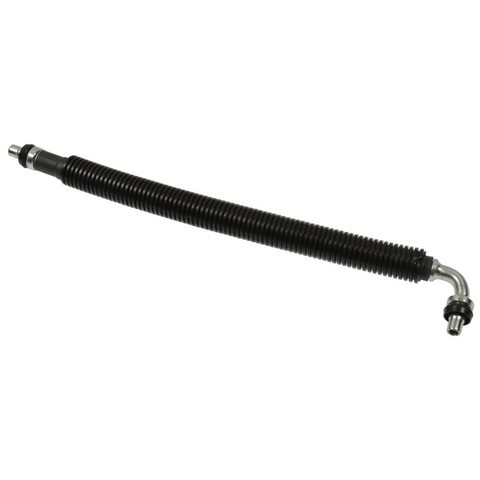
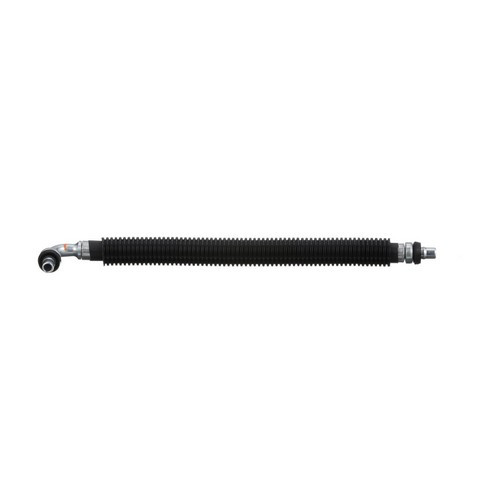
Standard Ignition OPH4 oil hose for the 1994-1996 Ford F-250 V8 7.3L and other vehicles is a high pressure oil pump hose for diesel engines.
- Quality-tested against bursting
- Pre-bent to the correct angle for ease of installation
- Anti-corrosive steel construction
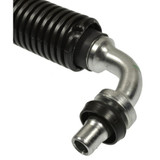
- Ferrule tip ends designed to seal securely and reduce the chance of leaks
Quick facts
- Part: Standard Ignition OPH4 oil hose
- Also called: engine oil hose
- Fits: 1994-1996 Ford F-250 V8 7.3L and other vehicles
- Material: Anti-corrosive steel
- Condition: New
Oil seepage at either end, a dented or kinked line or visible corrosion can mean an engine oil hose is worn. Before you replace it, rule out a loose connection or a leak from a nearby component, since wet oil can travel away from where it starts.
Fits
This hose is listed for a wide range of Ford and International models, led by the 1994-1996 Ford F-250 V8 7.3L, the 1996-1998 International 1552SC V8 7.3L and the 1994-1998 International 1652SC V8 7.3L. If yours is not named here, look it up in the "Vehicles it fits" section.
Specifications
Fit and size
- Engine: V8 7.3L
- Quantity per vehicle: 1
- Port quantity: 2
Build and materials
- Type: diesel high pressure oil pump hose
- Material: anti-corrosive steel
- Condition: New
- Country of origin: China
In the box
One oil hose with gaskets and hardware. This listing is one hose, and each vehicle takes one.
Product information is for general reference and may contain errors. See our Disclaimer.
Frequently Asked Questions
Is the Standard Ignition OPH4 oil hose right for the 1996-1998 International 1552SC V8 7.3L?
Yes. The Standard Ignition OPH4 is listed for the 1996-1998 International 1552SC V8 7.3L, and for the 1994-1998 International 1652SC V8 7.3L as well.
Does the OPH4 oil hose come with gaskets and hardware?
Yes. The listing is one oil hose with gaskets and hardware included. Each vehicle takes one hose.
What is the Standard Ignition OPH4 oil hose made of?
The Standard Ignition OPH4 is made of anti-corrosive steel, and it is pre-bent to the correct angle for installation.
How can I tell if a steel oil hose is leaking?
With the engine off and cool, look along the line for wet oil near the ends, dents, kinks or corrosion. A shop can pressure-test the line if you are unsure.
Is this oil hose tested against bursting?
Yes. The line is quality-tested against bursting, and its ferrule tip ends are designed to seal securely and reduce the chance of leaks.