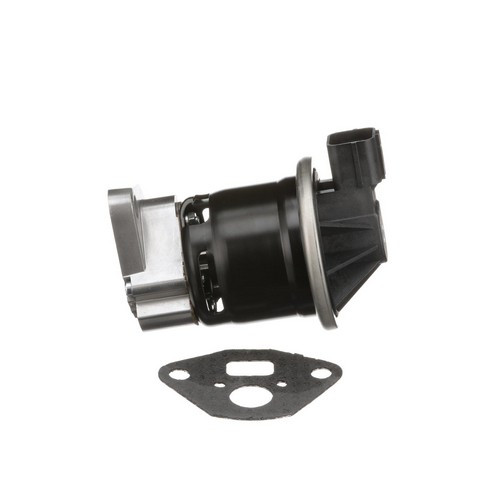
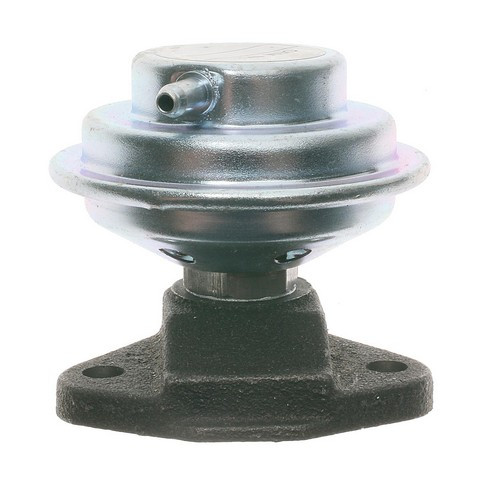
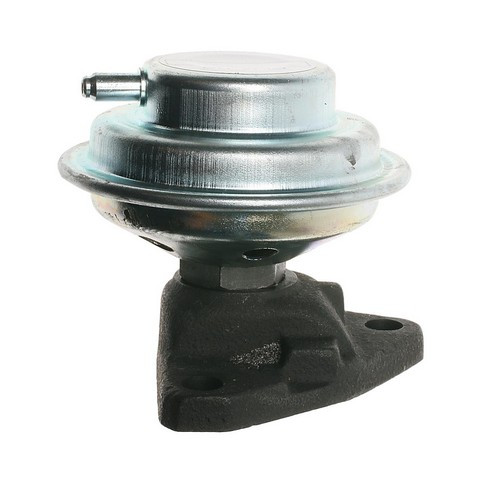
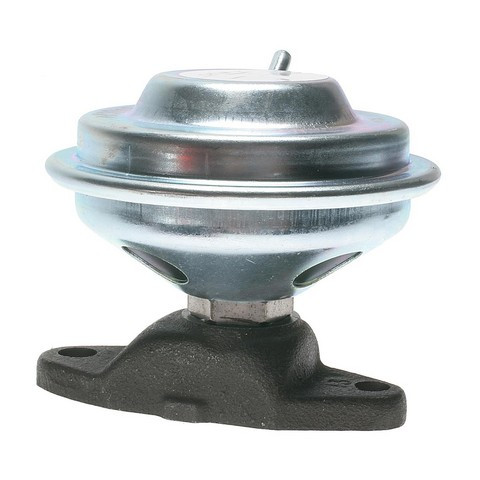
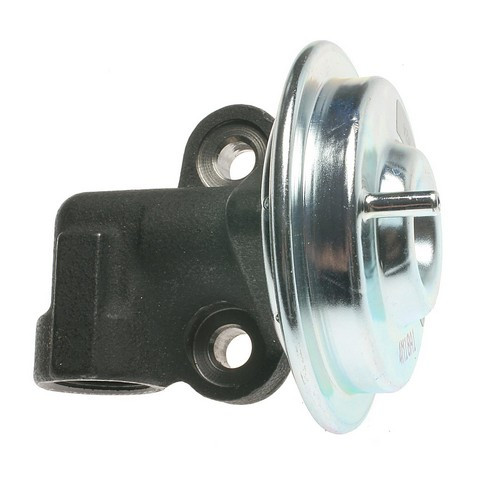
Standard Ignition EGV658 EGR valve for the 1998-2007 Honda Accord V6 3.0L and other vehicles reduces NOx emissions by lowering combustion temperature. It is built to match its original designed performance and to correctly integrate with complex emissions systems.
- Lower combustion temperature helps improve fuel economy
- Vacuum tested for a tight seal and a smooth idle after installation
- Electronic actuation with a square female connector and five male pin terminals
- New gasket included with the valve
Quick facts
- Part: Standard Ignition EGV658 EGR valve
- Fits: 1998-2007 Honda Accord V6 3.0L and other vehicles
- Condition: New
A rough idle, hesitation or a check engine light can come from a failing EGR valve. Carbon-clogged EGR passages, a leaking vacuum hose or a faulty sensor can be behind these signs too, so find the cause before buying. If the valve is the cause, this one replaces it.
Fits
Listed for a wide range of Honda, Acura and Saturn models, it is an EGR valve for the 1999-2008 Honda Odyssey V6 3.5L and the 2003-2008 Honda Pilot V6 3.5L, and each takes one. If your car is not named here, look up its year and engine in the "Vehicles it fits" section.
Specifications
Fit and size
- Quantity per vehicle: 1
- Mounting: bolt mount, 2 bolt holes
- Connector: 1 square, female
- Terminals: 5, male pin
Build and materials
- Actuation: electronic
- Gasket: included
- Condition: new
- Country of origin: Mexico
In the box
One EGR valve and one gasket. Mounting bolts are not included, so plan on new ones.
Frequently Asked Questions
Does the Standard Ignition EGV658 work as a Honda Accord EGR valve on a 1998-2007 Honda Accord V6 3.0L?
Yes. Standard Ignition EGV658 is listed for the 1998-2007 Honda Accord V6 3.0L, and that engine takes one. For other cars, look in the "Vehicles it fits" section.
What comes with the Standard Ignition EGV658 EGR valve?
The Standard Ignition EGV658 comes with one EGR valve and one new gasket. Mounting bolts are not included, so plan on new ones.
How many pins does the EGV658 EGR valve connector have?
The EGV658 has one square female connector with five male pin terminals. Its actuation is electronic.
Could a rough idle mean an EGR valve is failing?
It can, but a rough idle has other causes too. A shop can test the EGR system, since the test needs the engine running.
Is the Standard Ignition EGV658 EGR valve vacuum tested?
Yes. Standard Ignition vacuum tests this EGR valve for a tight seal and a smooth idle after installation.