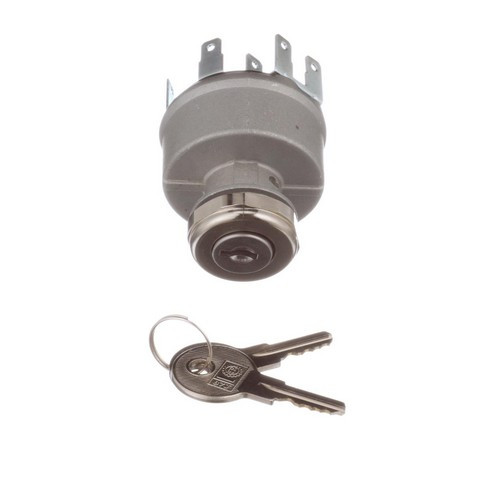
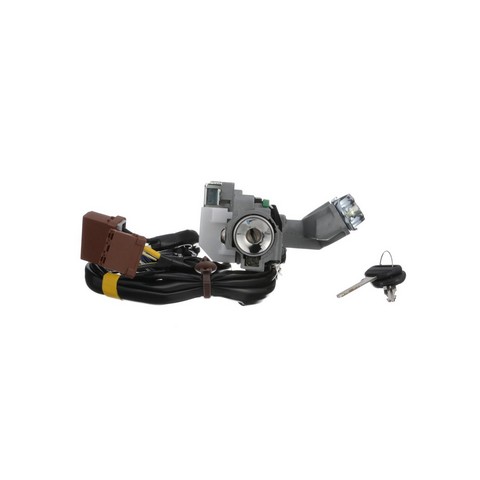
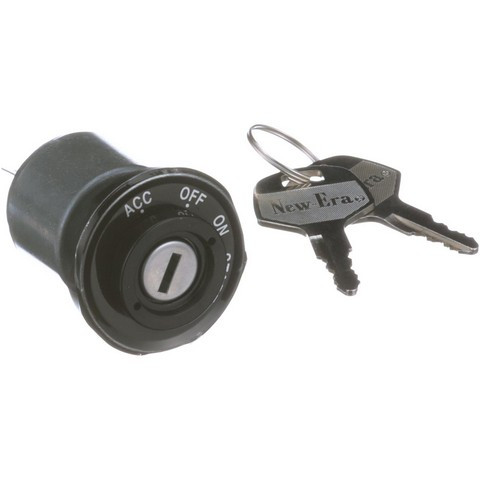
Standard Ignition Ignition Lock Cylinder and Switch,Ignition Switch P/N:US-509
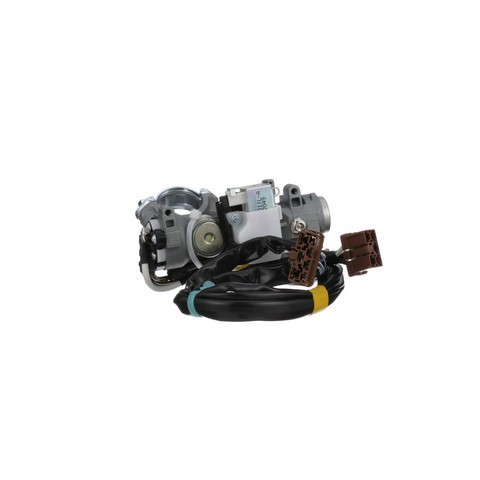
Turn the key with confidence using the Standard Ignition Ignition Switch With Lock Cylinder US-286, a direct-fit replacement for the 1996-2000 Honda Civic (see the Buyer's Guide tab for engine-specific coverage). This assembly pairs the key-operated lock cylinder with the electrical switch that feeds the vehicle's ignition, accessory, and start circuits — restoring proper key-turn operation when the original cylinder or switch has worn out.
Signs the original may need replacing include a key that won't turn or is hard to turn, intermittent no-crank or no-start conditions, or accessories that don't power up in the ACC/ON positions. If a failed ignition lock cylinder or switch is the cause, this assembly replaces it. Diagnose the cause before replacing.
Interchange: CS607 · LS877 · KS6214 · 35100S01A11 · 35100SO1A11 · LA22921
This part cross-references / interchanges with the following part numbers:
What vehicles does the US-286 fit?
It is a direct-fit replacement for the 1996-2000 Honda Civic. Check the Buyer's Guide tab to confirm the correct application for your specific vehicle.
What does this part include?
It is an ignition switch with lock cylinder — the key-operated cylinder plus the electrical switch that feeds the ignition, accessory, and start circuits.
What are the signs of a failing ignition lock cylinder or switch?
A key that won't turn or is hard to turn, intermittent no-crank or no-start conditions, or accessories that fail to power up. Diagnose the cause before replacing.
Is this part tested?
Yes. Every unit is 100% tested to verify both mechanical and electrical switching performance.
Why are copper alloy conductors used?
Copper alloy conductors provide superior electrical conductivity with low resistive losses for reliable switching.
WARNING: These products can expose you to chemicals including lead and phthalates, which are known to the State of California to cause cancer and birth defects or other reproductive harm. For more information go to www.P65Warnings.ca.gov.