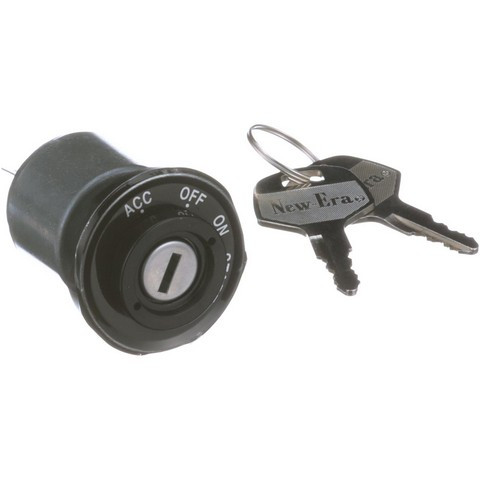
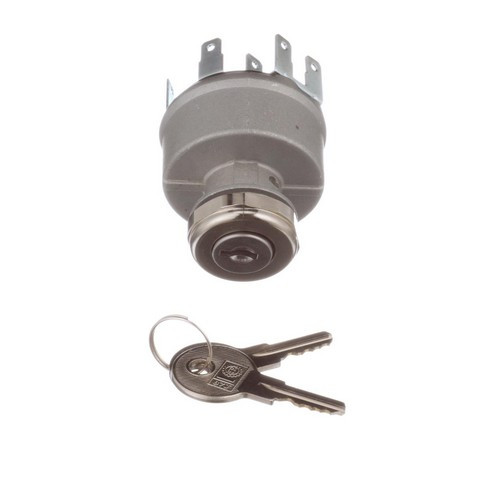
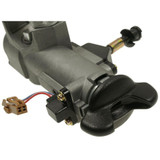
When the key starts to stick or power cuts out while you drive, a worn Honda Accord ignition switch may be the cause. The Standard Ignition Ignition Lock Cylinder and Switch US-612 replaces both the key cylinder and the switch in one unit. It is a direct-fit replacement for the 1994-1997 Honda Accord. See the Buyer's Guide tab for engine details.
The key turns the lock cylinder, and the cylinder turns the switch. As the key moves through its positions, the switch sends battery power to the vehicle's accessory, ignition and starting circuits.
- Original equipment ignition experience: Standard Ignition is a global manufacturer of original equipment ignition products. It maintains quality control across the whole manufacturing process, from componentry to finished product.
- Copper alloy conductors: Chosen for strong electrical conductivity with low resistive losses.
- 100% tested: Each switch is tested to verify both mechanical and electrical switching performance.
- Robust construction: High-grade materials are used for proper fit and function and to meet the demands of today's service professional.
Signs this part may need replacing: a key that is hard to turn or sticks, a no-crank condition, or accessories or the engine losing power intermittently. Other faults can cause these symptoms, so diagnose the cause before replacing the switch.
Interchange: CS971 · KS6971 · 35100SV4A51 · 35100SV4A52 · LA9871
This part cross-references / interchanges with the following part numbers:
CS971, KS6971, 35100SV4A51, 35100SV4A52, LA9871, US-612