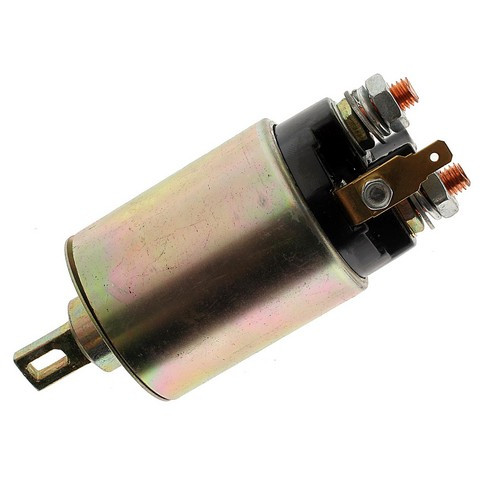
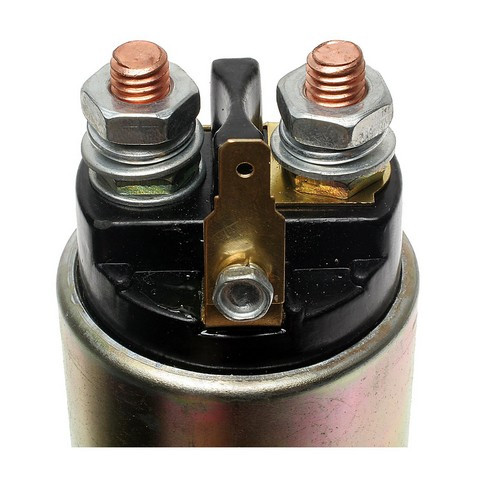
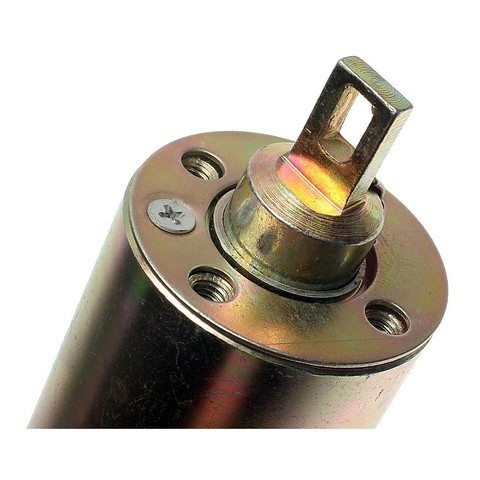
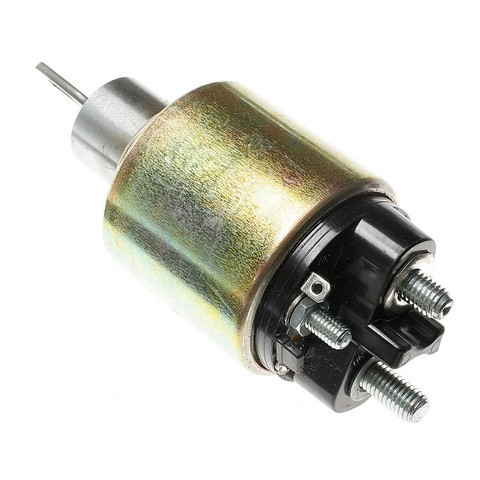
Get your starter switching cleanly again with the Standard Ignition Starter Solenoid SS-298 — the heavy-current electromagnetic switch that energizes the starter motor when you turn the key. It's a direct-fit replacement across a wide vintage lineup, including the 1981-1985 Dodge Aries [L4-2.6L], 1982-1985 Chrysler LeBaron [L4-2.6L], 1979-1985 Mazda RX-7 [R2-1.1L], 1979-1985 Mazda 626 [L4-2.0L], 1983-1986 Mitsubishi Cordia [L4-1.8L], and 1981-1982 Toyota Cressida [L6-2.8L], among many others.
- Core function: Closes the high-amperage circuit between the battery and starter motor to crank the engine.
- Solenoid switching: Uses an electromagnetic coil to move the internal contacts, handling the heavy starting current the ignition switch cannot carry directly.
- Direct replacement: Installs in place of the original solenoid on the listed applications; one per vehicle.
Signs this part may need replacing include a single click when turning the key with no crank, intermittent starting, or the starter failing to engage. If a failed solenoid is the cause of your no-crank condition, this replaces it — diagnose the starting circuit first, as similar symptoms can come from the battery, cables, or starter motor.
Fitment: 60 applications spanning Chrysler, Dodge, Plymouth, Mazda, Mitsubishi, Nissan, and Toyota — see the Buyer's Guide tab for the full list. Manufacturer part number SS-298 (also SS298).