Sold out


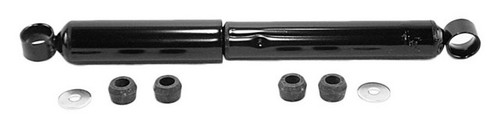

Smooth out a worn rear ride and restore controlled damping with the Monroe OESpectrum Rear Suspension Shock Absorber 37032. It drops in as a direct-fit replacement for the 1984-1989 Toyota 4Runner and the 1984-1995 Toyota Pickup — see the Buyer's Guide tab for engine-level fitment. Designed to help restore a light truck's original factory drivability, it delivers precise handling control while filtering out impact-related noise, vibration and harshness.
Backed by Monroe's Limited Lifetime Warranty. Shocks work best replaced as a matched rear pair for balanced ride control.
Interchange: MS3431842B · TS3431842B · 342479 · G63494 · 344428 · 565052 · 565085 · 210164 · SH81871 · SH81890 · 12130145 · 12130273 · 4853139655
This part cross-references / interchanges with the following part numbers:
What vehicles does the Monroe 37032 fit?
It's a direct-fit rear shock absorber for the 1984-1989 Toyota 4Runner and the 1984-1995 Toyota Pickup. Check the Buyer's Guide tab to confirm engine-level fitment for your vehicle.
Is this a front or rear shock?
It's a rear suspension shock absorber. Verify the position matches your application before ordering.
What does the PTFE-banded piston do?
It provides consistent sealing between the piston and pressure tube, which Monroe designed for better damping control and increased durability.
Should I replace both rear shocks at once?
Shocks are sold individually. Replacing both rear units as a matched pair is recommended for balanced, consistent ride control.
What are signs a shock absorber may need replacing?
Common signs include excessive bouncing over bumps, nose dive when braking, uneven tire wear, or fluid leaking from the shock body.


WARNING: These products can expose you to chemicals including lead and phthalates, which are known to the State of California to cause cancer and birth defects or other reproductive harm. For more information go to www.P65Warnings.ca.gov.
