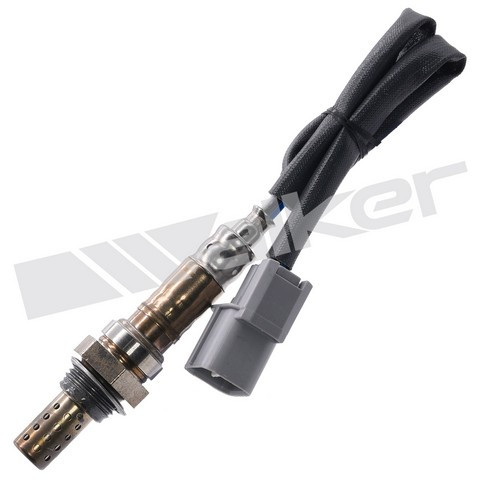
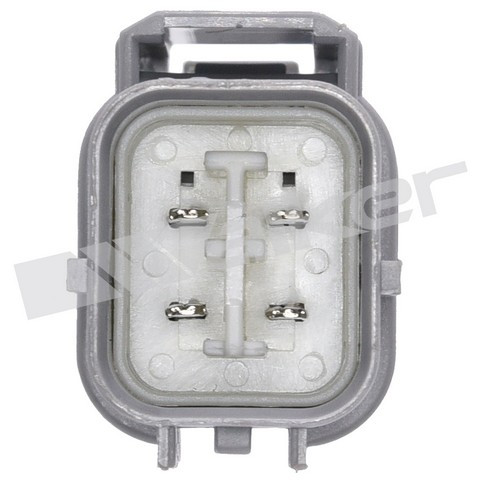
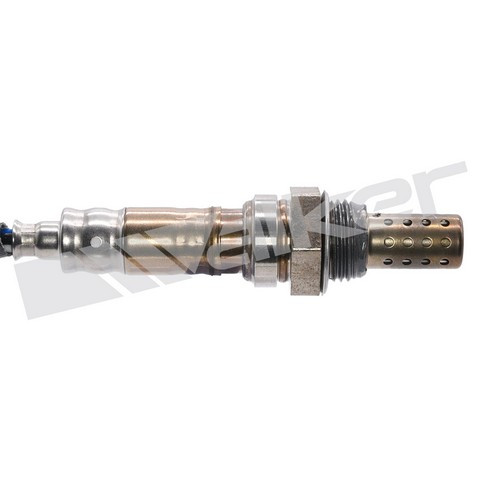
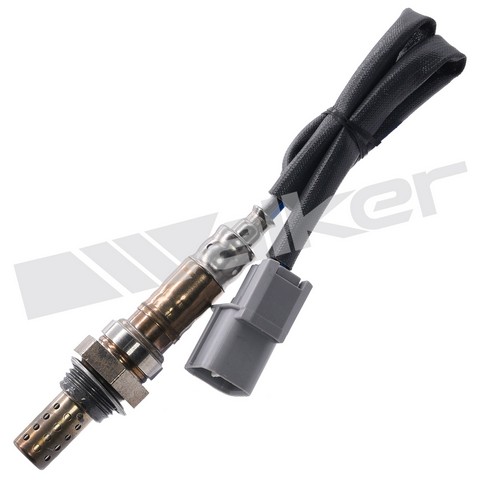
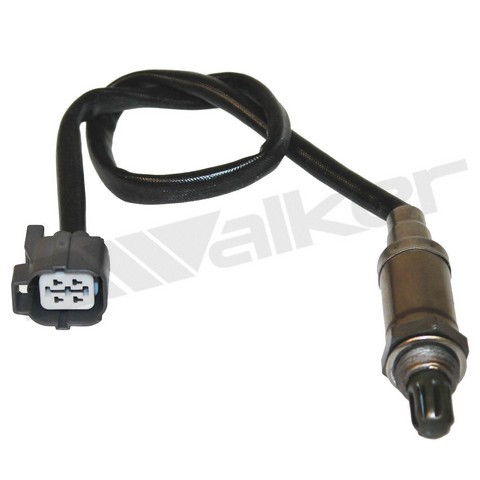
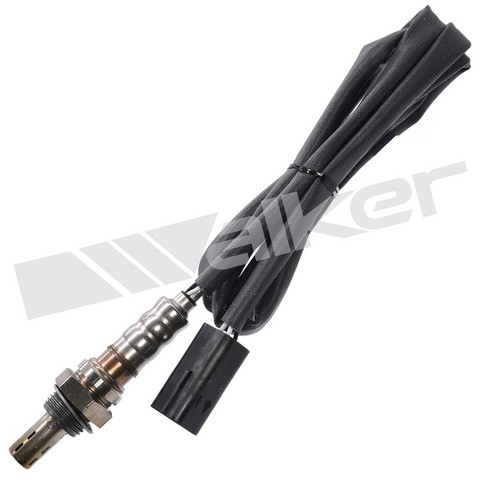
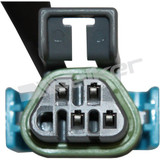
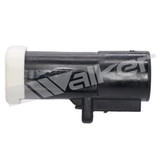
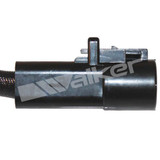
Walker Products 350-34086 oxygen sensor for the 2000-2002 Honda Accord V6 3.0L and other vehicles reads the oxygen level in the exhaust gas. It is a narrow-band design made for its specific application and fitment position.
- Gives the ECU the oxygen feedback it needs to fine-tune the air-fuel mixture for fuel economy
- Monitors the air-fuel ratio for combustion efficiency
- Monitors exhaust gases to help reduce pollutants
- Electrodes made of a gas-permeable platinum layer
- Coating protects the electrode surfaces from contamination and erosion by combustion residue and particulates
Quick facts
- Part: Walker Products 350-34086 oxygen sensor
- Fits: 2000-2002 Honda Accord V6 3.0L and other vehicles
- Position: Upstream
- Condition: New
A failing sensor can show up as rough running, higher fuel consumption, more exhaust emissions or a lit malfunction indicator light, and a different fault could be behind any of them. Before replacing it, look over the sensor, wiring harness and connector for physical damage with the engine off and cool.
Fits
It is the oxygen sensor for the 2000-2002 Honda Accord V6 3.0L, the 2001-2003 Honda Civic 4-cylinder 1.7L and the 2001 Honda Odyssey V6 3.5L.
Specifications
Fit and size
- Position: upstream
- Quantity per vehicle: 1
Build and materials
- Type: narrow-band, 4-wire, direct fit
- Electrode coating: gas-permeable platinum layer
- Condition: new
In the box
One oxygen sensor. This listing is a single sensor, and the fitment calls for one per vehicle.
Interchange: CTK-OSHO4010
Product information is for general reference and may contain errors. See our Disclaimer.
Frequently Asked Questions
Is this the O2 sensor for a 2002 Honda Accord V6 3.0L?
Yes. Walker Products 350-34086 is an upstream oxygen sensor for the 2000-2002 Honda Accord V6 3.0L, which covers the 2002 model year with that engine.
Does this oxygen sensor fit the 2001 Honda Odyssey V6 3.5L?
Yes. This upstream sensor is listed for the 2001 Honda Odyssey V6 3.5L, and the fitment calls for one sensor.
Is Walker Products 350-34086 a narrow-band or wideband sensor?
It is a narrow-band, 4-wire sensor. Its electrodes are made of a gas-permeable platinum layer, and a coating protects them from contamination and erosion.
How many oxygen sensors come in this listing?
This listing holds one upstream oxygen sensor. The fitment calls for one per vehicle.
Does Walker Products 350-34086 cross-reference to CTK-OSHO4010?
Yes. CTK-OSHO4010 is a cross-reference number for Walker Products 350-34086.