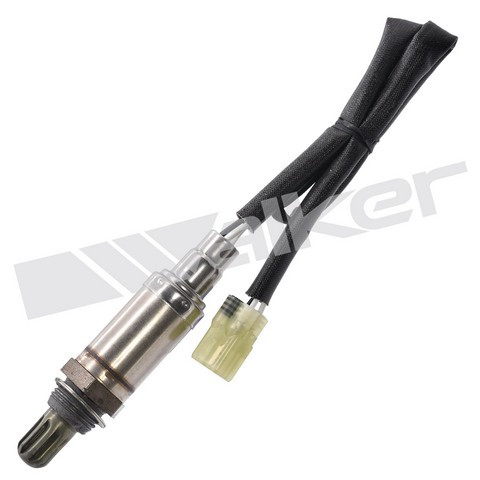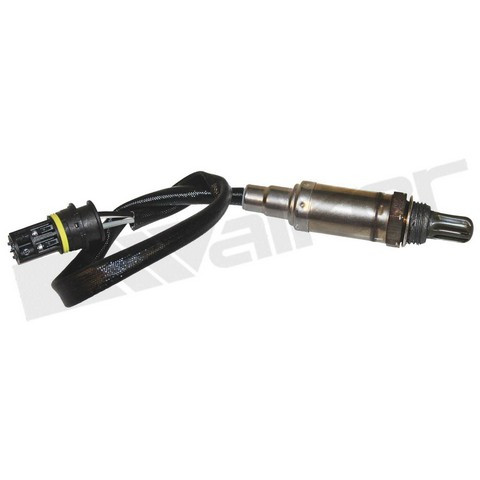
Walker Products Oxygen Sensor P/N:350-31040
Walker Products 350-34139 oxygen sensor for the 1994-1995 BMW 530i V8 3.0L and other vehicles reads the oxygen in the exhaust gas to show how efficiently the engine is burning fuel. It is a direct-fit narrow-band sensor.
A failed oxygen sensor can make the engine run poorly, raise fuel consumption or light the malfunction indicator light. A damaged wiring harness or connector can be behind those signs too, so find the cause before buying a sensor.
The 1994-1995 BMW 530i V8 3.0L, the 1995 BMW 740i V8 4.0L and the 1995 BMW 740iL V8 4.0L are among the vehicles it fits, in the upstream left and upstream right positions. Open the "Vehicles it fits" section to check your exact model and engine.
Fit and size
Build and materials
One oxygen sensor. The fitment calls for one per application.
Is this the right oxygen sensor for the 1994-1995 BMW 530i V8 3.0L?
Yes. Walker Products 350-34139 is listed for the 1994-1995 BMW 530i V8 3.0L, one sensor per application. Open the "Vehicles it fits" section to check other models and engines.
Is this the right oxygen sensor for the 1995 BMW 740i V8 4.0L?
Yes. Walker Products 350-34139 is listed for the 1995 BMW 740i V8 4.0L, and it is also the oxygen sensor for the 1995 BMW 740iL V8 4.0L; each takes one.
Is this oxygen sensor narrow-band or wideband?
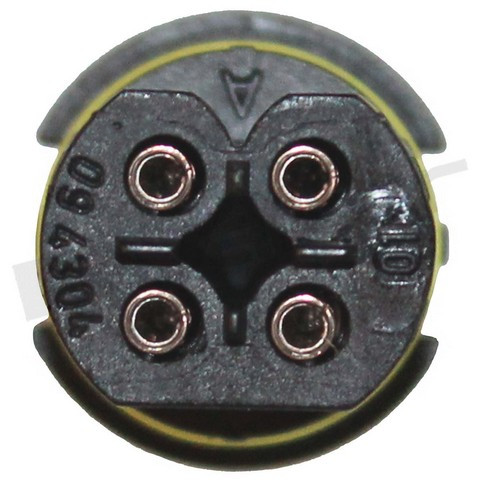
This oxygen sensor is a narrow-band, 4-wire, direct-fit design. It measures the oxygen content of the exhaust gas and monitors the air-fuel ratio.
What can a failing oxygen sensor do to how the car runs?
The engine can run poorly, use more fuel or light the malfunction indicator light. Newer vehicles also store fault codes in the ECU, and a shop can read them.
What protects the electrodes on this Walker Products oxygen sensor?
Its coating keeps combustion residue and particulates in the exhaust gas from contaminating or eroding the electrode surfaces. The electrodes are made of a gas-permeable platinum layer.
No reviews yet — be the first to review this product.
Write a Review
WARNING: These products can expose you to chemicals including lead and phthalates, which are known to the State of California to cause cancer and birth defects or other reproductive harm. For more information go to www.P65Warnings.ca.gov.