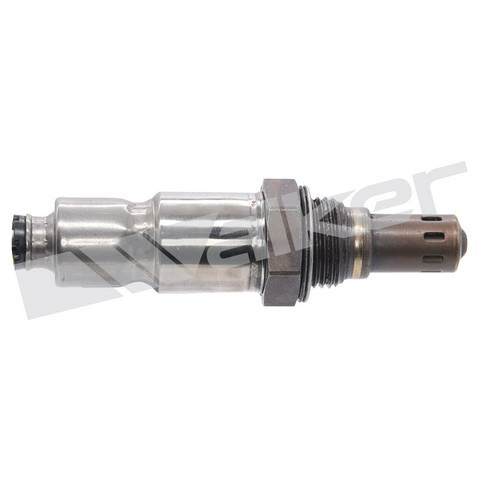
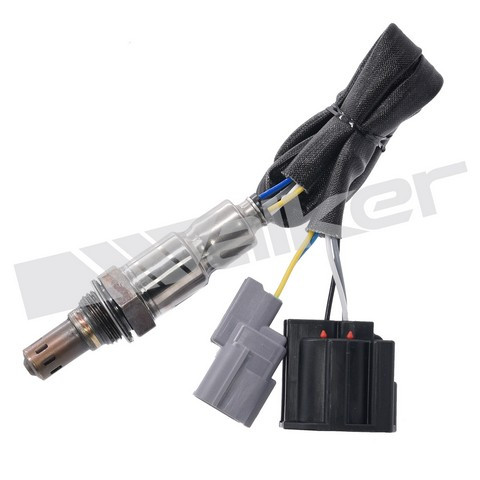
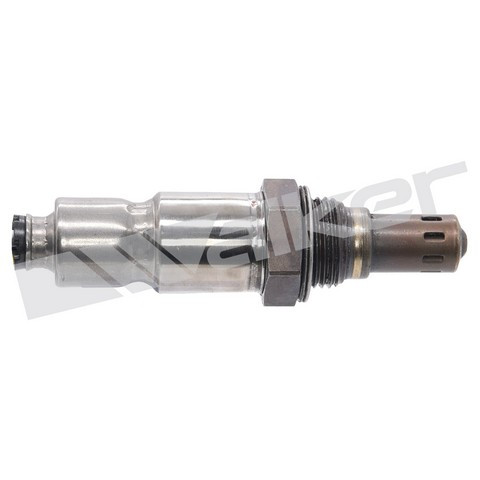
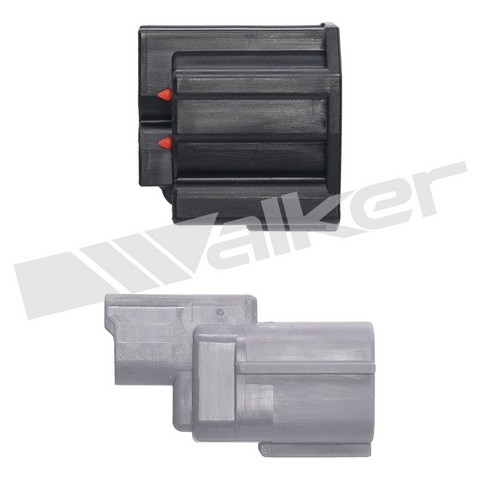
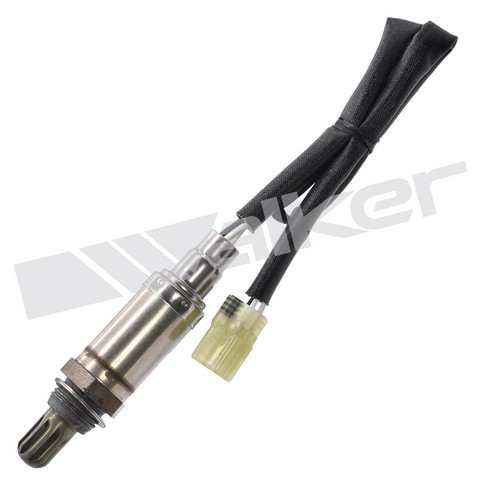
Keep the ECU dialed in with the Walker Products Oxygen Sensor 350-35038 (also written 35035038), a 5-wire wide-band sensor that drops in as a direct-fit replacement for the 2006-2008 Mazda 6 with the L4-2.3L engine. It mounts in the upstream, front position, where it reads the oxygen content of the exhaust gas to monitor the air-fuel ratio and combustion efficiency, giving the ECU the feedback it needs to trim the mixture.
Wide-band, heated design: a 5-wire heated wide-band sensor engineered for the specific application and fitment position.
Air-fuel monitoring: measures oxygen levels to help fine-tune the air-fuel mixture, supporting fuel economy and cleaner exhaust emissions.
Protected electrodes: gas-permeable platinum electrodes with a coating that helps guard the electrode surfaces against contamination and erosion from combustion residue and particulates.
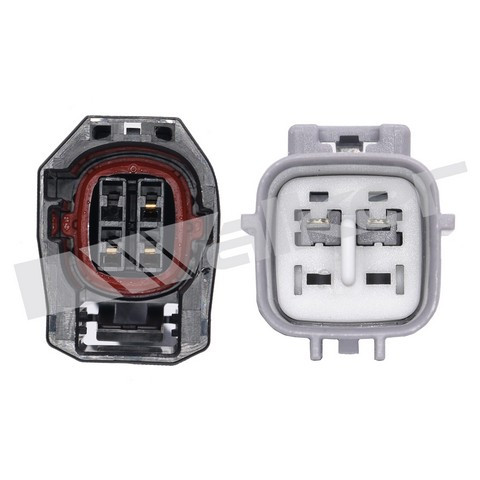
Install details: threaded mounting, 22 mm wrench size, square female connector with male spade terminals, 20-gauge wiring. Country of origin: China. Signs this sensor may need replacing include a lit malfunction indicator lamp (MIL), poor running, or increased fuel consumption; inspect the sensor, wiring harness, and connector for physical damage during diagnosis.